Medication Overuse Risk Calculator
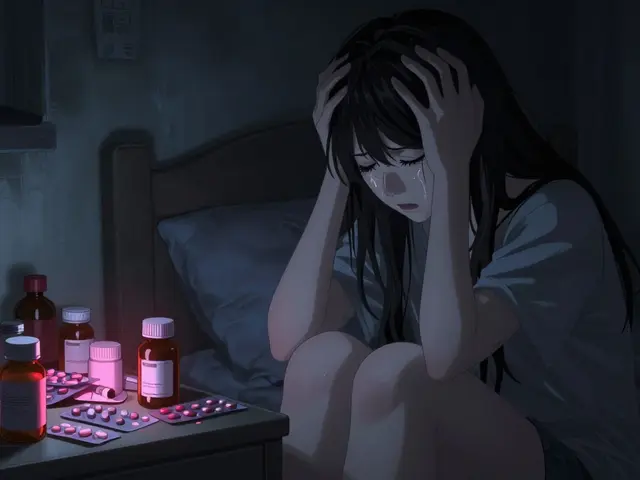
You take a pill for your headache. The pain fades. You feel relieved. But two days later, the headache returns-stronger than before. So you take another pill. Then another. Before you know it, you are taking medication almost every day, yet the pain never truly goes away. This is not just bad luck or a worsening condition. It is likely a Medication Overuse Headache, also known as a rebound headache.
This paradoxical cycle affects millions of people who simply want to stop hurting. The irony is that the very thing meant to fix the problem is actually causing it. Understanding this trap is the first step toward breaking free from chronic daily pain.
What Exactly Is a Medication Overuse Headache?
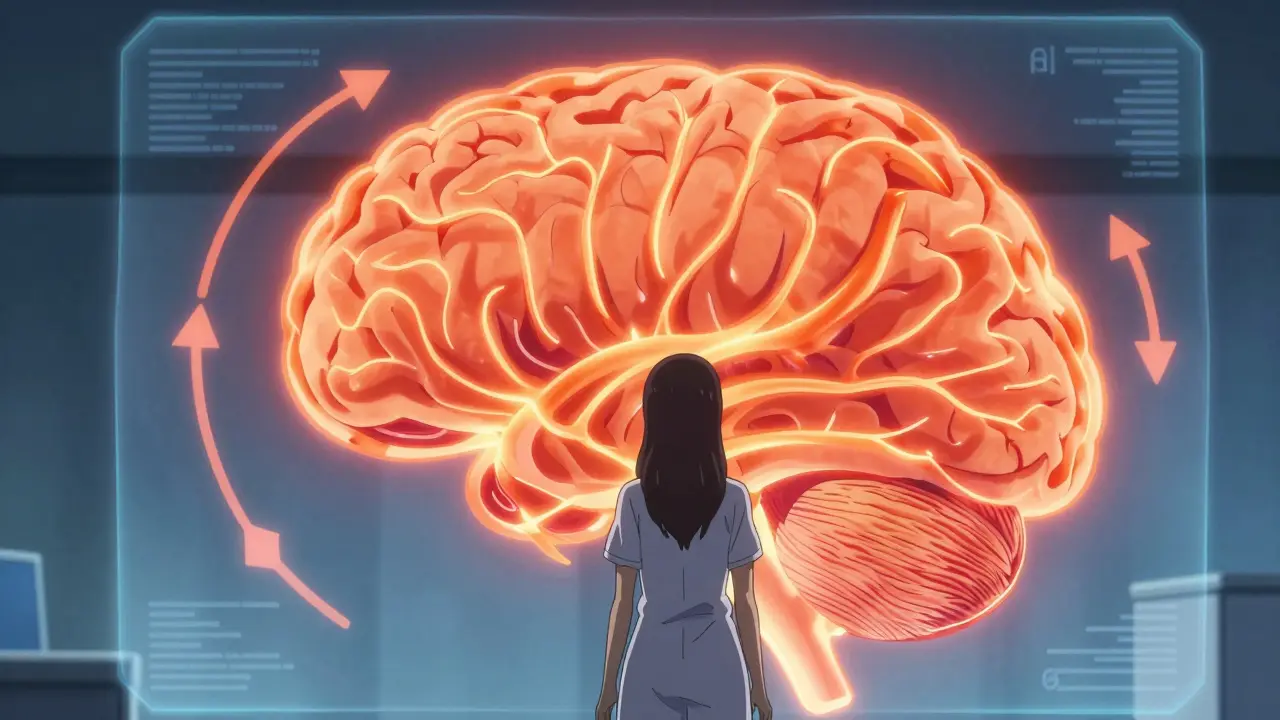
A medication overuse headache (MOH) is a specific type of secondary headache. It happens when frequent use of acute pain medications changes how your brain processes pain signals. Instead of treating the underlying issue, the drugs keep your nervous system in a state of constant alertness.
The International Headache Society formally recognized MOH as a distinct clinical entity in its 2018 classification guidelines. While doctors have observed this phenomenon since the 1980s, modern research confirms that overusing painkillers can transform occasional migraines or tension headaches into chronic daily conditions. If you experience headaches on more than 15 days a month for at least three months while regularly using pain medication, you may be dealing with MOH.
Who gets this? It is surprisingly common. Current data suggests 1-2% of the general population suffers from MOH. However, there is a significant gender gap: women make up 70-80% of these cases. If you already suffer from migraines-which affect about 12% of US adults-or tension-type headaches, you are at higher risk if you cross certain usage thresholds.
Which Medications Cause Rebound Headaches?
Not all pain relievers carry the same risk. Some drugs trigger rebound headaches faster and more severely than others. Knowing which category your medication falls into helps you understand your personal risk level.
| Medication Class | Examples | Overuse Threshold (Days/Month) | Risk Level |
|---|---|---|---|
| Opioids & Butalbital | Oxycodone, Hydrocodone, Tramadol, Butapap | ≥10 days | Highest |
| Triptans | Imitrex (sumatriptan), Zomig (zolmitriptan) | ≥10 days | High |
| Combination Analgesics | Excedrin (caffeine/aspirin/acetaminophen) | ≥15 days | Moderate |
| Simple NSAIDs | Ibuprofen (Advil), Naproxen (Aleve) | ≥15 days | Lower (unless max dose exceeded) |
Opioids and butalbital-containing drugs are the most dangerous culprits. Using them just 10 or more days a month can trigger MOH. Triptans, which are highly effective for migraines, also carry high risk if used frequently. Even simple over-the-counter options like ibuprofen can cause problems if you exceed recommended limits-specifically, more than 1,200mg of ibuprofen or 660mg of naproxen sodium daily, according to FDA labeling.
How to Spot the Signs Early
Identifying MOH requires looking beyond just the pain itself. You need to examine your behavior and patterns. Here are the key indicators that your headache might be drug-related:
- Daily or Near-Daily Pain: You have headaches on 15 or more days each month.
- Medication Dependence: You find yourself reaching for pills as soon as you wake up, fearing the pain will return.
- Changing Pattern: Your headaches used to come once a week, but now they are constant.
- Reduced Effectiveness: The medication works less well than it did before, requiring higher doses for the same relief.
- Withdrawal Symptoms: When you skip a dose, you feel nausea, vomiting, or an intensified headache within hours.
Many patients initially feel disbelief when told their medicine is causing pain. A review of patient forums shows that nearly 70% of users felt blamed by their doctors at first. Remember, this is not a failure of willpower. It is a physiological response where the central nervous system becomes sensitized. Studies show increased sensitivity to sensory stimuli and altered neurotransmitter metabolism in the brain during MOH.
The Path to Relief: Breaking the Cycle
Stopping the medication is the only way to cure medication overuse headache. However, quitting cold turkey is not always safe or comfortable. The process generally follows a three-phase approach designed to minimize suffering while resetting your brain’s pain pathways.
Phase 1: Discontinuation
You must stop the offending medication. For opioids or butalbital, doctors often recommend a gradual taper to prevent severe withdrawal. For triptans and simple analgesics, immediate discontinuation is usually preferred. Data from Mayo Clinic indicates that stopping immediately leads to a 65-70% success rate at two months, compared to 45-50% for gradual tapering. However, immediate cessation can cause intense withdrawal symptoms, so medical supervision is crucial.
Phase 2: Managing Withdrawal
The first few weeks are tough. A 2022 study of 350 patients found that 92% experienced intensified headaches during withdrawal. Nausea affected 68%, and vomiting occurred in 42%. During this phase, you should avoid the old triggers. Doctors may prescribe short-term rescue medications-limited to no more than two days a week-that do not contribute to overuse. Hydration, rest, and dark rooms become your best friends.
Phase 3: Preventive Therapy
This is the critical step that many miss. Simply stopping the painkiller isn't enough; you must treat the underlying migraine or tension disorder. Without preventive therapy, 78% of patients relapse within three months. Effective prevention options include:
- Topiramate: An anticonvulsant taken daily (40-100mg).
- Propranolol: A beta-blocker (80-160mg daily) that reduces frequency.
- CGRP Monoclonal Antibodies: Newer injections like erenumab (Aimovig) given monthly, showing 50-60% efficacy.
- Gepants: Drugs like ubrogepant (Ubrelvy) or rimegepant (Nurtec ODT) are breakthrough treatments because they do not appear to cause medication overuse headaches themselves.

New Hope: Safer Alternatives Are Emerging
The landscape of headache treatment is changing rapidly. The introduction of gepants represents a major shift. Unlike triptans, these newer molecules target calcitonin gene-related peptide (CGRP) without constricting blood vessels, and critically, they do not seem to trigger rebound headaches. This makes them a safer option for frequent users.
In January 2024, the FDA approved atogepant (Qulipta) specifically for preventive use in patients with chronic migraine and MOH. This approval signals a move toward personalized medicine. Researchers are even identifying genetic markers linked to MOH susceptibility, which could allow doctors to predict who is at risk before prescribing certain drugs.
If you are struggling with daily headaches, talk to your doctor about these newer classes of medication. They may cost more upfront, but they offer a path to freedom from the rebound cycle without the fear of making things worse.
Practical Steps for Recovery
Recovery takes time, typically 4 to 8 weeks for noticeable improvement. To stay on track, follow these practical steps:
- Keep a Headache Diary: Record every headache, what you took, and when. Do this for at least four weeks before and after stopping the overused medication. This data proves progress and helps your doctor adjust treatment.
- Set Strict Limits: Agree on a maximum number of days per month you can use acute medication. Write it down.
- Plan for Withdrawal: If you suspect MOH, schedule time off work for the first week of detox. Have anti-nausea meds ready if prescribed.
- Start Prevention Immediately: Do not wait until you are "cured" of MOH to start preventive meds. Start them alongside withdrawal to block the return of primary headaches.
- Seek Support: Join support groups or online communities. Sharing experiences with others going through the same withdrawal can reduce anxiety and isolation.
Breaking the cycle of medication overuse headache is challenging, but it is entirely possible. With the right strategy, professional guidance, and patience, you can restore your brain’s natural balance and live without the shadow of constant pain.
How long does it take to recover from a medication overuse headache?
Most people see significant improvement within 4 to 8 weeks after stopping the overused medication. However, complete resolution can take up to 3 months. The first 1-2 weeks are usually the hardest due to withdrawal symptoms like intensified pain and nausea.
Can I still take ibuprofen if I have medication overuse headache?
If ibuprofen was the cause of your MOH, you must stop taking it completely during the withdrawal phase. If you are managing other types of pain, consult your doctor. Generally, simple NSAIDs should not be used more than 15 days a month to prevent recurrence.
Are triptans addictive?
Triptans are not chemically addictive like opioids, but they can lead to physical dependence and medication overuse headaches if used too frequently. Using them more than 10 days a month significantly increases the risk of developing chronic daily headaches.
What is the difference between a migraine and a rebound headache?
A migraine is a primary neurological disorder with specific symptoms like aura, nausea, and light sensitivity. A rebound headache (MOH) is a secondary headache caused by the frequent use of pain medication. MOH often feels like a dull, constant pressure that worsens in the morning, whereas migraines tend to be throbbing and episodic.
Do new migraine drugs like Nurtec cause rebound headaches?
Current clinical trials suggest that gepants, including rimegepant (Nurtec ODT) and ubrogepant (Ubrelvy), do not cause medication overuse headaches. They are considered safer alternatives for frequent users because they target CGRP pathways without triggering the sensitization associated with older drugs.