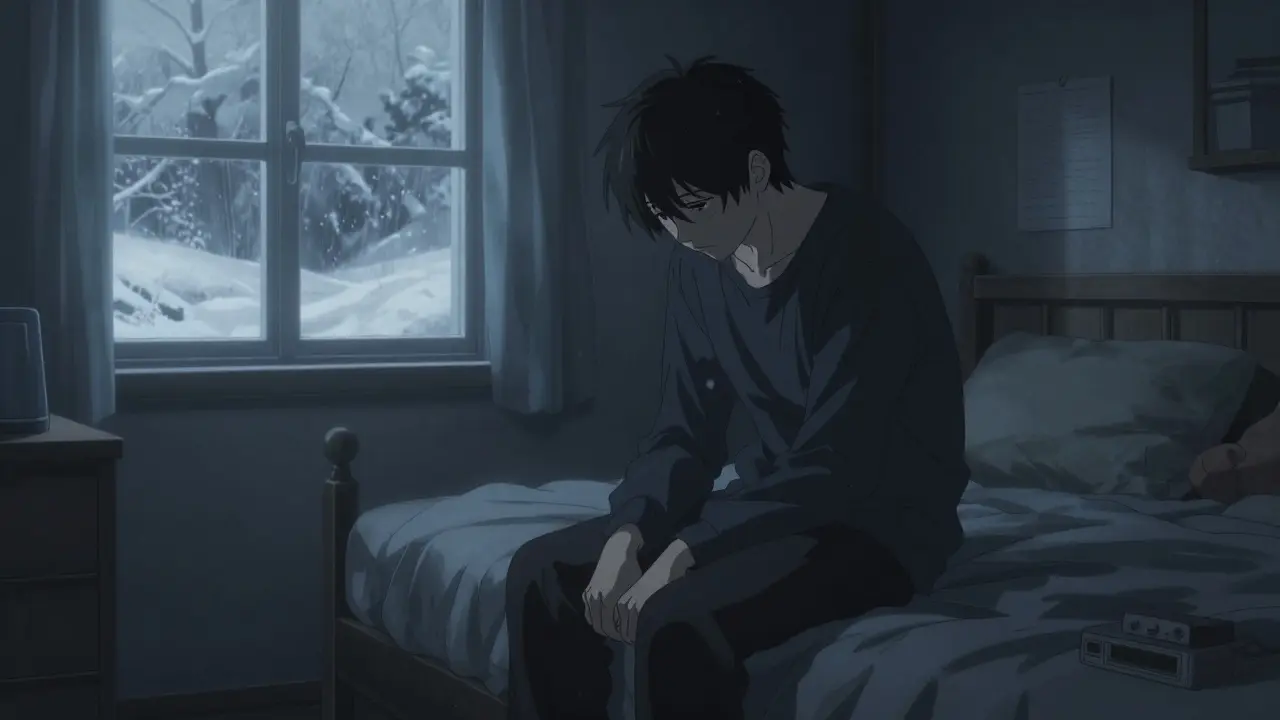
Ever notice how the mood shifts the moment the clocks turn back and the days get shorter? For some, it's more than just a case of the "winter blues." It's a heavy, draining experience where getting out of bed feels like a marathon and your cravings for carbs become uncontrollable. This is Seasonal Affective Disorder is a subtype of major depressive disorder where depressive episodes recur during specific seasons, most commonly in the fall and winter. Also known as SAD or winter depression, it affects about 5% of adults, turning the colder months into a battle with low energy and social withdrawal.
The good news is that you don't have to just "tough it out" until April. While medication is one route, there's a non-drug alternative that mimics the sun to trick your brain into feeling better. This is where Light Therapy (or Bright Light Therapy) comes in. By exposing yourself to specific intensities of light, you can reset your internal clock and boost your mood without the side effects often associated with antidepressants.
What Exactly Is Happening in Your Brain?
When the sun disappears early, your body's internal clock-the Circadian Rhythm-gets confused. This biological clock regulates when you sleep, wake, and feel alert. For people with SAD, the lack of sunlight disrupts the production of Serotonin, a neurotransmitter that stabilizes mood. At the same time, the body may produce too much melatonin, the hormone that makes you sleepy, leading to that classic winter "brain fog" and hypersomnia.
Light therapy works by stimulating the retina, which sends a signal to the brain to suppress melatonin and increase serotonin. It's essentially a biological shortcut to tell your brain that it's daytime, even if it's gray and raining outside. Research from the National Institute of Mental Health has shown that this process can be powerful enough to bring many patients into full remission.
Using a Light Box: The Right Way to Do It
You can't just sit under a bright office lamp and expect results. For light therapy to work, the device needs to meet specific clinical standards. Most experts, including those from the Center for Environmental Therapeutics, recommend a light box that emits 10,000 lux of full-spectrum white light.
If you're starting a regimen, here is the standard protocol for the best results:
- Timing: Use the box within one hour of waking up. Morning exposure (between 6:00 AM and 8:00 AM) is significantly more effective than evening use.
- Duration: Aim for 30 minutes per session. Some people find 20 minutes enough, while others need up to 60.
- Distance: Place the box about 16 to 24 inches from your face.
- Positioning: Don't stare directly into the light. Instead, place the box slightly to the side (about 30 degrees) and keep your eyes open while reading or eating breakfast.
One critical safety point: ensure your device filters out Ultraviolet (UV) radiation. UV rays can damage your eyes and skin. A certified therapeutic lamp will have UV filters to keep you safe while delivering the necessary lux intensity.
| Feature | Light Therapy (BLT) | SSRIs (e.g., Prozac) | Placebo / No Treatment |
|---|---|---|---|
| Onset of Action | Fast (1-2 weeks) | Slower (4-8 weeks) | N/A |
| Remission Rate | 50-60% | Comparable to BLT | Lower (Approx 30%) |
| Common Side Effects | Eye strain, mild headaches | Nausea, insomnia, weight change | None |
| Daily Effort | High (30 mins daily) | Low (One pill daily) | None |

Is It Better Than Medication?
Whether light therapy is "better" than drugs like Fluoxetine (Prozac) depends on what you value most. In head-to-head trials, such as the Can-SAD study, light therapy showed a significantly faster improvement in symptoms by the second week compared to antidepressants. By the eighth week, however, the two treatments were roughly equal in effectiveness.
For many, the draw is the lack of chemical side effects. This makes it a fantastic first-line option for pregnant women, the elderly, or anyone sensitive to medication. However, the trade-off is the "commitment cost." Sitting in front of a lamp every single morning is a hurdle. If you struggle with a consistent routine, the effectiveness drops because the brain needs that regular signal to stay balanced.
Practical Challenges and Pro Tips
Let's be real: waking up at 6 AM to stare at a light box isn't exactly a dream. Many users report that the morning routine is the hardest part of the treatment. If you're struggling with consistency, consider a Dawn Simulator. These are alarm clocks that gradually brighten the room before you wake up, mimicking a natural sunrise. This helps "prime" your brain for the day and makes the transition to your 10,000 lux box much smoother.
Another common issue is eye strain. If you feel a headache coming on or your eyes feel dry, try shifting the angle of the lamp or taking short breaks. If you have a job that keeps you away from a desk, there are now wearable light visors that allow you to get your dose of photons while you're moving around.

Who Should Be Cautious?
Light therapy isn't for everyone. The most significant risk is for people with Bipolar Disorder. Because the light is so stimulating, it can actually trigger a manic episode in about 5-10% of patients. If you have a history of mania, you must use light therapy under strict medical supervision.
Additionally, people with eye conditions like Glaucoma or diabetic retinopathy should check with an ophthalmologist first. Intense light can sometimes exacerbate these conditions or cause discomfort.
The Future of Fighting the Dark
We're moving past the era of bulky plastic boxes. The latest trend involves AI-driven protocols. Researchers at Stanford are currently testing systems that use biomarkers to adjust the timing and intensity of light based on your specific biology. Instead of a generic 30-minute session, your light might shift in color and brightness throughout the morning to perfectly align with your circadian rhythm.
Furthermore, we're seeing light therapy expand. It's no longer just for winter depression. Recent studies show it's highly effective for non-seasonal major depression and even perinatal depression in pregnant women, where it provides a safe alternative to pharmaceuticals.
How long does it take for light therapy to work?
Most people notice an improvement in their energy and mood within 1 to 2 weeks. Some respond even faster, seeing a shift in just 5 days, but consistency is key-you need to use it every morning to maintain the effect.
Can I just sit by a sunny window instead of using a light box?
While natural sunlight is great, a window rarely provides the 10,000 lux required for clinical treatment, especially in the winter. A professional light box delivers a concentrated, consistent dose of light that is much more effective for treating SAD.
What is the best time of day to use a light box?
The morning is the gold standard. Exposure between 6:00 AM and 8:00 AM is most likely to lead to remission because it aligns with the natural biological signal that the day has started.
Are there any dangerous side effects?
For most people, side effects are mild, such as eye strain or slight headaches. However, those with bipolar disorder risk inducing mania, and people with certain eye diseases should consult a doctor to avoid retinal damage.
Do I need a prescription to buy a 10,000 lux lamp?
No, most consumer light boxes are available over the counter. However, it's a good idea to talk to a healthcare provider to ensure the diagnosis is actually SAD and not another form of depression that might require different treatment.






Write a comment
Your email address will be restricted to us