
Understanding Your Options
If you or a loved one are looking into Antidepressants are prescription medications designed to help correct chemical imbalances in the brain associated with mood disorders. Also known as Mood stabilizers, these drugs have been a cornerstone of mental health treatment since the 1950s. While many people associate them strictly with sadness, they play a critical role in managing anxiety, OCD, and PTSD. About 13% of adults in the U.S. used one between 2015 and 2018. That number shows you are not alone if this is part of your journey.
The most common question patients ask is whether these pills actually work and if they are safe. You need to know that while roughly half of patients see significant symptom reduction, others might struggle with side effects or find that one type doesn't fit their body chemistry. It often takes patience. We aren't dealing with instant magic here; we are talking about biology that needs time to adjust.
The Main Types of Medication
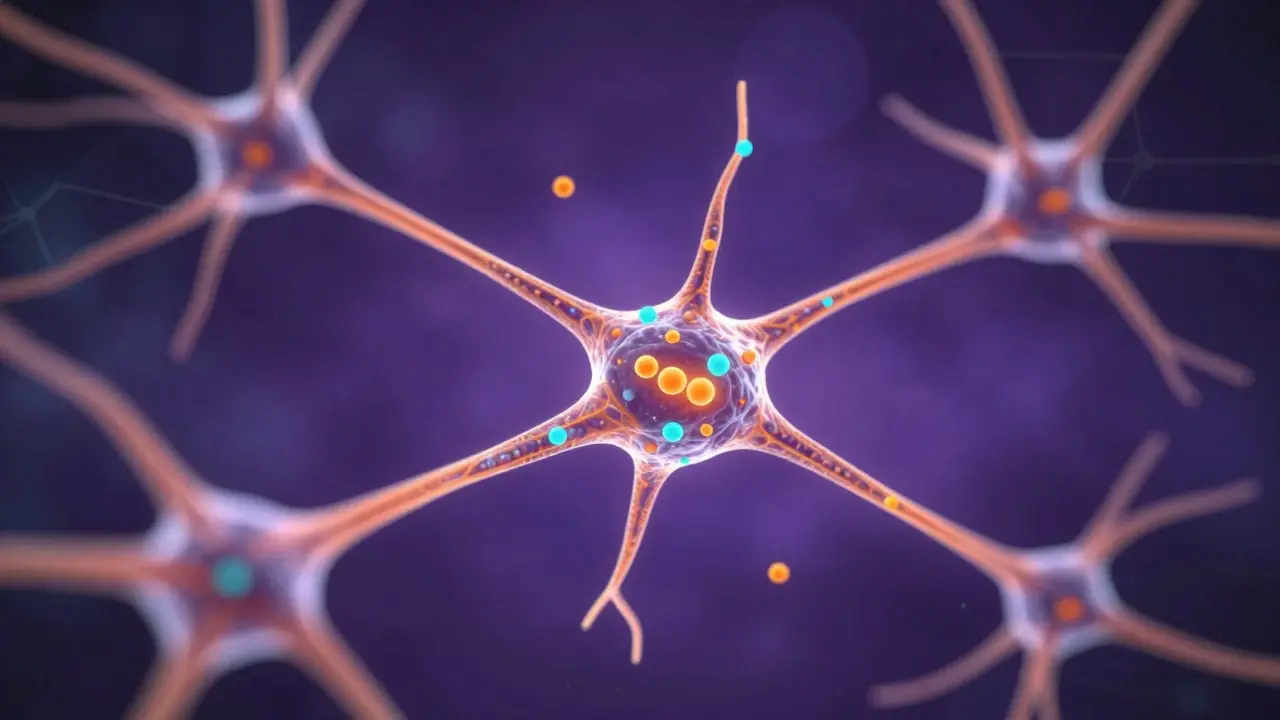
Doctors classify these treatments based on how they interact with your brain's messaging system. You probably hear terms like serotonin or dopamine thrown around constantly. Each class works differently, meaning what helps one person might bother another.
SSRIs are Selective Serotonin Reuptake Inhibitors that block the reabsorption of serotonin to keep mood-stabilizing chemicals active longer. These are usually the first choice for doctors today because they tend to be safer than older drugs. Common names you will recognize include Fluoxetine (Prozac), Sertraline (Zoloft), and Escitalopram (Lexapro).
Then there are SNRIs are Serotonin-Norepinephrine Reuptake Inhibitors that target two chemicals instead of just one. Think of these as a step up in intensity. Venlafaxine (Effexor) and Duloxetine (Cymbalta) fall into this group. They are often used when SSRIs do not provide enough relief or when pain management is also needed.
Older classes exist but are less common now due to heavier side effects. Tricyclic Antidepressants are older medications like Amitriptyline that require more caution regarding heart health and overdose risk. Similarly, MAOIs are Monoamine Oxidase Inhibitors that demand strict diet rules to avoid dangerous reactions with tyramine-rich foods. You will rarely start here unless nothing else works.
| Type | Key Mechanism | Common Examples | First-Line Use |
|---|---|---|---|
| SSRI | Blocks serotonin reuptake | Sertraline, Fluoxetine | Yes (Most common) |
| SNRI | Blocks serotonin & norepinephrine | Venlafaxine, Duloxetine | Second-line |
| Atypical | Dopamine/Norepinephrine focus | Bupropion | Often for energy/motivation |
| TCA/MAOI | Broad neurotransmitter action | Amitriptyline, Phenelzine | Rarely first choice |
Navigating Safety and Side Effects
Let's be honest about the risks. You deserve to know what might happen to your body. Most people handle these medications well, but "most" does not mean "everyone." Common issues include nausea, drowsiness, and changes in appetite. Some studies suggest up to 50% of users report gaining weight over time, which can be discouraging if that wasn't the plan.
Sexual dysfunction is another big topic. Roughly half of patients taking serotonin-affecting drugs report problems here. It happens because those same chemicals affect desire and function. If this bothers you, doctors can sometimes switch to Bupropion, which acts on dopamine, but it has its own trade-offs, like increased anxiety for some.
Serious risks exist but are rare. You must listen carefully to the black box warnings. This is an FDA requirement that highlights the risk of suicidal thoughts, especially in people under 25 during the first few weeks of treatment. It sounds scary, but monitoring by a doctor mitigates this. They watch for early signs of agitation or worsening moods closely.
Pregnancy adds another layer of complexity. Certain drugs taken in the third trimester have been linked to breathing or feeding issues in newborns. However, untreated depression also poses severe risks to both mother and baby. Doctors often weigh these carefully. Recent guidelines from 2023 suggest benefits may outweigh risks for many women, but you need a personalized conversation with your specialist.
Stopping Safely: Withdrawal Risks
You might think stopping the pill ends the trouble, but quitting abruptly causes real physical pain. Many patients call it "brain zaps," describing electric shock sensations in the head. Nausea and flu-like feelings follow quickly. This is discontinuation syndrome, affecting between 50% and 70% of people who stop suddenly.
Why does this happen? Your brain gets used to the medication presence. Removing it too fast leaves a gap in your receptor activity. Short-acting drugs like Paroxetine cause worse symptoms than long-acting ones like Fluoxetine. Always taper off slowly under supervision. Rushing this step often sends people back to the drawing board, restarting the medication cycle unnecessarily.
Timeframes and What to Expect
Patience is the hardest part. Unlike a painkiller, antidepressants do not fix things in minutes. You typically wait four to six weeks just to feel a shift. Sometimes it takes three months to see the full picture. Early days might feel worse as your nervous system reacts to the change.
Different people respond to different drugs. A landmark study in 2018 comparing 21 medications found that Escitalopram and Sertraline were among the best tolerated. However, genetics play a role. What works for your sister might leave you feeling numb. It often takes trying two or three options before landing on the right match. Don't get discouraged if the first one isn't perfect.

Newer Treatments and Trends
The landscape is changing rapidly. Traditional pills take weeks, but newer options aim for speed. Esketamine (Spravato) was approved recently for stubborn cases, acting through the nasal spray route rather than oral intake. Then there is Zuranolone, approved in 2023, targeting postpartum depression specifically. We are moving toward personalized medicine where genetic testing predicts response rates better than guesswork. By 2026, many clinicians hope to have biomarkers ready to guide choices without trial and error.
Frequently Asked Questions
How long does it take for antidepressants to work?
Most patients notice improvement after 4 to 6 weeks, but full benefits can take up to 12 weeks. Early side effects often appear before mood changes do.
Can I stop taking antidepressants abruptly?
No, stopping abruptly can cause severe withdrawal symptoms like dizziness and brain zaps. You must taper off slowly under a doctor's guidance.
Do antidepressants cause weight gain?
About 50% of users experience weight gain. Monitoring diet and exercise alongside medication can help manage this risk.
Are antidepressants safe during pregnancy?
It depends on the specific drug and timing. Benefits often outweigh risks, but third-trimester use carries some newborn risks. Consult your OB-GYN and psychiatrist.
What is a black box warning?
This is an FDA mandate highlighting serious risks, such as increased suicidal thoughts in young adults starting medication. Regular monitoring helps prevent harm.
Next Steps for Your Treatment
Your path forward involves close teamwork with your healthcare provider. Keep a journal of your symptoms daily for the first month. Note sleep quality, mood fluctuations, and any weird physical sensations. Bring this log to your appointments every couple of weeks. Be honest about side effects like numbness or lack of libido; doctors cannot fix what they do not know exists.
Consider therapy alongside medication. Research consistently shows combining talk therapy with meds reduces relapse rates significantly compared to meds alone. If you feel overwhelmed, support groups like NAMI offer connections with others facing similar struggles. Remember, finding the right solution is a marathon, not a sprint. Stay consistent, track your progress, and advocate for yourself throughout the process.








Write a comment
Your email address will be restricted to us