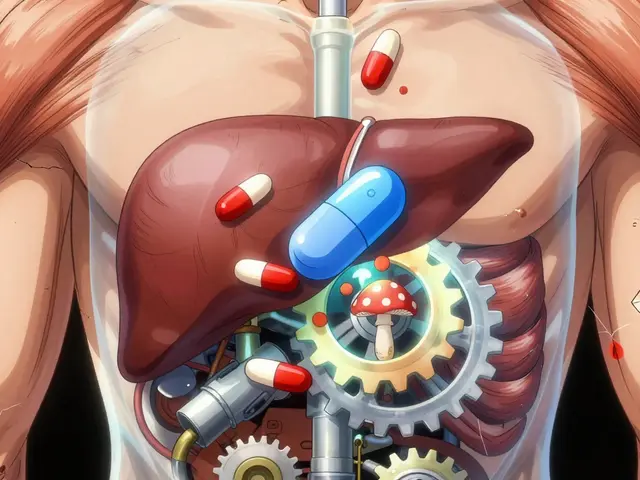
You take a pill for your blood pressure, or maybe an antibiotic for an infection. You expect it to fix the problem, not create a new one. Yet, millions of people experience unexpected symptoms after starting a new medication. These are called adverse drug reactions, formally known as ADRs. They range from mild annoyances like dry mouth to life-threatening conditions that require immediate hospital care. Understanding what is normal, what is dangerous, and how to report these issues can save lives and improve your quality of life.
The concept of medication safety isn't just about taking the right dose; it's about knowing how your body might react. After the thalidomide tragedy in the early 1960s, which caused severe birth defects in thousands of infants, regulations tightened significantly. The Kefauver-Harris Amendment of 1962 required manufacturers to prove both safety and efficacy before drugs hit the market. Today, the World Health Organization defines an adverse drug reaction as any noxious and unintended response to medicine at normal doses. Despite strict testing, side effects still occur because clinical trials cannot predict every individual’s unique biology.
Understanding the Two Main Types of Side Effects
Not all side effects are created equal. Medical professionals categorize them into two main types to help diagnose and manage risks. Knowing the difference helps you understand why a symptom appeared and whether it’s likely to happen again.
Type A reactions account for 75% to 80% of all adverse drug events. These are predictable and dose-dependent. If you take more of the drug, the side effect usually gets worse. For example, if a painkiller causes drowsiness, taking a higher dose will make you sleepier. These reactions stem directly from the drug’s primary pharmacological action. They are common but often manageable by adjusting the doctor lowering the dose or switching medications.
Type B reactions are different. They represent 15% to 20% of cases and are unpredictable. They are not related to the drug’s intended function and often involve immune system responses. An allergic rash or a sudden drop in blood platelets are examples. Because they are idiosyncratic, they can happen even at low doses and are harder to anticipate. This unpredictability makes patient reporting crucial for identifying rare risks that weren’t caught during initial testing.
Common Mild Side Effects: What to Expect
Most side effects are mild and temporary. According to data from Harvard Health Publishing and MedStar Health, the most frequent complaints include gastrointestinal issues, neurological symptoms, and skin reactions. The FDA considers a side effect "common" if it affects more than 1% of patients. Here is what you might encounter:
- Gastrointestinal issues: Nausea, upset stomach, constipation, diarrhea, and dry mouth are extremely common. Medications often irritate the digestive lining or alter gut motility. Heartburn medications like omeprazole (Prilosec) can ironically cause nausea or headache in some users.
- Neurological symptoms: Dizziness, drowsiness, fatigue, and headaches are frequent. Anti-anxiety medications like alprazolam (Xanax) or lorazepam (Ativan) specifically target the central nervous system, leading to confusion or sedation. This is particularly risky for older adults, increasing fall risk.
- Dermatological reactions: Mild rashes or itching can occur. While often harmless, any new skin change should be monitored closely to ensure it doesn’t escalate into a severe reaction.
If you experience these mild effects, don’t panic. Often, your body adjusts within a few days. However, if they persist or interfere with your daily life, talk to your doctor. Do not stop prescribed medication without consulting them, as this can lead to withdrawal symptoms or disease progression.
Severe Adverse Reactions: When to Seek Emergency Care
Some side effects are medical emergencies. The FDA defines a serious side effect as one that results in death, is life-threatening, requires hospitalization, causes disability, or leads to congenital anomalies. If you experience any of the following, seek immediate medical attention:
| Condition | Key Symptoms | Action Required |
|---|---|---|
| Anaphylaxis | Sudden swelling of lips/tongue/throat, trouble breathing, widespread hives | Call emergency services immediately |
| Stevens-Johnson Syndrome (SJS) | Severe painful rash, skin peeling, fever, blistering eyes/mouth | Go to the ER; this can progress to toxic epidermal necrolysis |
| DRESS Syndrome | Rash, swollen lymph nodes, liver injury, abnormal blood counts | Seek urgent medical evaluation |
| Internal Bleeding | Black/tarry stools, vomiting blood, unusual bruising | Emergency care required |
Historical context highlights the importance of vigilance. The drug efalizumab (Raptiva), used for psoriasis, was withdrawn from the market in 2009 after reports of progressive multifocal leukoencephalopathy, a rare brain infection. It carried a black box warning, the strongest caution issued by the FDA, yet cases still occurred. This underscores that even approved drugs carry unknown risks until widespread use reveals them.

High-Risk Groups and Special Considerations
Your age, health status, and other medications significantly influence your risk. Elderly patients face a much higher burden. A 2021 National Ambulatory Medical Care Survey found that adults aged 65 and older experience adverse drug events at a rate of 17.3 per 1,000 population, compared to just 5.5 per 1,000 for those aged 45-64. This gap exists due to polypharmacy (taking multiple drugs), slower metabolism, and reduced kidney or liver function.
For example, benzodiazepines like Xanax increase the risk of falls and delirium in seniors. Even over-the-counter drugs pose risks. Nonsteroidal anti-inflammatory drugs (NSAIDs) like naproxen (Aleve) can cause stomach bleeding or swelling, while diphenhydramine (Benadryl) blocks acetylcholine, leading to significant drowsiness and cognitive confusion in older adults.
Pregnant individuals also need extra caution. Exposure to certain drugs prior to conception or during pregnancy can cause birth defects. Always consult your healthcare provider before starting any new medication if you are pregnant or planning to become so.
The Hidden Danger: Drug Interactions
Side effects aren’t always caused by the drug alone. Interactions between medications, food, or alcohol can trigger severe reactions. WebMD notes that mixing narcotic painkillers with alcohol can lead to accidental overdose and death. Similarly, grapefruit juice interferes with enzymes that break down many drugs, including some blood pressure and cholesterol medications, causing dangerously high levels of the drug to remain in your bloodstream.
A 2022 study in the Journal of Managed Care & Specialty Pharmacy revealed that approximately 50% of patients discontinue their medications within the first year due to side effects. Gastrointestinal issues account for 28% of these discontinuations. Many patients simply stop taking their meds without telling their doctor, leaving underlying conditions untreated. Open communication is key to finding alternatives that work better for your body.

How to Report Side Effects Effectively
Reporting side effects is not just bureaucratic red tape; it’s a critical part of public health surveillance. Regulatory agencies rely on patient reports to identify patterns that clinical trials missed. In the United States, the primary channel is the FDA MedWatch program. Healthcare professionals are legally required to report certain serious reactions, but patients can also submit reports online or via mail.
Internationally, similar systems exist. The European Medicines Agency operates EudraVigilance, and the UK uses the Yellow Card Scheme through the NHS. Less than 5% of all adverse drug reactions are formally reported, meaning many potential dangers go undetected. Your voice matters.
To report effectively:
- Keep records: Note when you started the medication, the dosage, and when symptoms began.
- List all substances: Include other prescriptions, over-the-counter drugs, vitamins, and supplements.
- Be specific: Describe symptoms clearly. Instead of saying "I felt bad," say "I experienced severe dizziness and nausea two hours after taking the pill."
- Contact your provider: Inform your doctor immediately. They can assess severity and may file a report on your behalf.
The National Library of Medicine maintains a comprehensive drug side effect database that you can use to learn about known risks. Use it as a reference, but always prioritize professional medical advice.
Next Steps and Troubleshooting
If you suspect a side effect, do not ignore it. Start by checking the patient information leaflet included with your medication. Look for the section on "Adverse Reactions" or "Side Effects." If your symptom is listed as common, monitor it closely. If it worsens or persists beyond a few days, call your pharmacist or doctor.
For severe symptoms like difficulty breathing, chest pain, or severe rash, go to the nearest emergency room. Bring the medication bottle with you so medical staff can quickly identify the substance. Remember, preventing a serious adverse event starts with awareness and timely action. By understanding these risks and participating in reporting systems, you contribute to safer medicines for everyone.
What is the difference between a side effect and an adverse drug reaction?
While often used interchangeably, a side effect is any secondary effect of a drug, which can be beneficial or harmful. An adverse drug reaction (ADR) is specifically a harmful and unintended response to a medicine at normal doses. All ADRs are side effects, but not all side effects are considered adverse reactions if they are mild or expected.
How long does it take for side effects to appear?
Timing varies widely. Some side effects, like drowsiness or nausea, can appear within minutes or hours of taking the first dose. Others, such as liver damage or certain rashes, may develop weeks or months after starting treatment. This is why ongoing monitoring is essential, especially with long-term medications.
Can I stop taking my medication if I have a side effect?
You should never stop prescribed medication abruptly without consulting your doctor. Stopping suddenly can cause withdrawal symptoms or allow your condition to worsen. Contact your healthcare provider to discuss alternatives, dose adjustments, or strategies to manage the side effect safely.
Why are elderly people more prone to medication side effects?
Older adults often take multiple medications (polypharmacy), have slower metabolism, and may have reduced kidney or liver function. These factors cause drugs to stay in the body longer and at higher concentrations, increasing the risk of toxicity and adverse reactions. Age-related changes in body composition also affect how drugs are distributed.
How do I report a side effect to the FDA?
You can report side effects through the FDA MedWatch program. Visit the FDA website and search for "MedWatch Form Submission" to access the online form. You can also download a paper form or call the FDA. Provide details about the medication, dosage, symptoms, and timeline. Healthcare providers can also submit reports on your behalf.