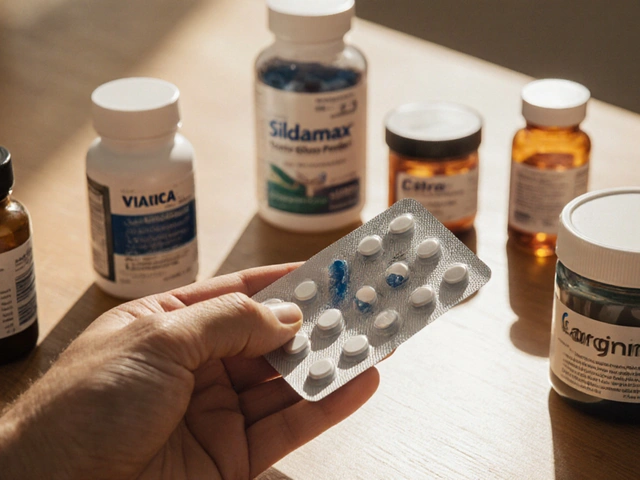
It is the middle of the night. Your child is coughing, your head feels like it is stuffed with cotton, and you reach for that box on the shelf. It has been there for years. You pop a pill or pour a spoonful of syrup, expecting relief by morning. But what if I told you that many of these trusted household staples might not be doing anything at all? Worse yet, what if they are causing harm?
The landscape of over-the-counter (OTC) cough and cold medications is pharmaceutical preparations available without prescription designed to alleviate symptoms of upper respiratory infections is changing fast. For decades, we have relied on specific ingredients to clear congestion and stop coughs. Now, major health regulators are pulling the rug out from under us. The Food and Drug Administration (FDA) has concluded that one of the most common decongestants in America simply does not work. This is not just bad news for your wallet; it is a critical safety update for every person in your home.
The Phenylephrine Problem: Why Your Decongestant Fails
Let’s talk about phenylephrine is a common oral decongestant ingredient found in many multi-symptom cold medicines. You see it in DayQuil, Sudafed PE, and countless generic brands. It is supposed to shrink swollen blood vessels in your nose to let air flow again. However, the science tells a different story.
In September 2023, the FDA’s Non-prescription Drug Advisory Committee made a bold move. They reviewed the data and concluded that oral phenylephrine is ineffective at the recommended dosages. Dr. Libby Wirth, a pharmacist at Cash Wise/CentraCare, put it bluntly: "Evidence for OTC cough medications is poor." A pivotal meta-analysis by Hatton et al. in 2007 compared 10mg of oral phenylephrine against a placebo. The result? No significant difference in nasal airway resistance. Your body absorbs very little of the drug before it reaches your nose. It is essentially drinking salt water and hoping for a miracle.
This is not a minor issue. If you are taking a pill that does nothing, you are delaying real recovery. More importantly, you might be exposing yourself to unnecessary side effects. While current doses are generally safe, higher doses can spike blood pressure. As Dr. Chan noted, while standard amounts are okay, pushing the limits leads to dangerous cardiovascular stress. The FDA proposed removing oral phenylephrine from its list of approved ingredients because the evidence just isn't there. If this rule finalizes, manufacturers will have to reformulate their products by late 2025.
| Ingredient | Effectiveness | Safety Profile | Availability |
|---|---|---|---|
| Oral Phenylephrine | Ineffective at standard doses | Generally safe, but risks high BP at high doses | Unrestricted shelves |
| Pseudoephedrine | Highly effective | Risks include insomnia, jitters, hypertension | Behind counter, ID required |
| Nasal Phenylephrine Spray | Effective locally | Minimal systemic absorption; risk of rebound congestion if used >3 days | Shelves |
Pediatric Safety: The Hidden Dangers for Children
If you have children, this section is vital. We often treat our kids like small adults, giving them diluted versions of adult medicines. This is a dangerous mistake. The American Academy of Pediatrics and the Mayo Clinic agree: cough and cold medicines do not work well in children and carry serious risks.
The statistics are sobering. Between 2000 and 2007, there were 20 reported child deaths in the United States linked to the ingestion of these preparations. Thirteen of those deaths occurred in children younger than two years old. Even for older children, the efficacy is questionable. A review by Smith et al. in 2014 analyzed 29 randomized controlled trials and found conflicting evidence for antitussives and expectorants in acute cough cases. Antihistamines alone proved ineffective for treating coughs in kids.
Why are these drugs risky for children? Their bodies metabolize drugs differently. A dose that seems small can lead to accidental overdosing, especially when parents combine multiple products. Many OTC combos contain acetaminophen, dextromethorphan, and diphenhydramine. If you give a child a nighttime cold syrup and then add a separate pain reliever, you might accidentally double-dose them on acetaminophen, which can cause liver damage.
The FDA maintains a strict warning against using OTC cough and cold medicines in children under two years. However, concerns now extend to children under six. In parent communities like What to Expect, 73% of surveyed parents said they stopped giving OTC cough medicines to children under six after hearing these warnings. That is a massive shift in behavior driven by safety fears.

What Actually Works? Evidence-Based Alternatives
If pills aren’t the answer, what should you do? The good news is that some of the best remedies are simple, cheap, and backed by science. Let’s look at the alternatives that actually deliver results.
Honey: Yes, really. Honey is not just a sweetener; it is a potent cough suppressant. Dr. Chan notes that honey has been shown to be as effective as some over-the-counter cough medications. The American Academy of Pediatrics recommends honey for children over 12 months old. A typical dose of 2.5mL (half a teaspoon) before bedtime can significantly reduce cough frequency and severity. Just remember: never give honey to infants under one year due to the risk of botulism.
Nasal Saline and Suction: For congestion, mechanical removal works better than chemical suppression. Saline nose drops loosen mucus, and bulb suctioning removes it. This method has zero drug interactions and zero side effects. It is particularly useful for babies who cannot blow their noses.
Humidified Air: Dry air irritates inflamed airways. Using a cool-mist humidifier adds moisture to the air, soothing throat irritation and thinning mucus. This is a low-tech solution that continues to receive support in medical literature.
Hydration: Drinking plenty of fluids thins mucus, making it easier to expel. Water, warm broth, or herbal tea (for older kids and adults) keeps the mucous membranes moist and helps the body fight infection naturally.
Adult Considerations: Managing Symptoms Safely
For adults, the stakes are slightly lower regarding immediate toxicity, but the inefficacy problem remains. If you are an adult struggling with a cold, here is how to navigate the pharmacy aisle wisely.
If you need a decongestant and phenylephrine isn’t working, ask your pharmacist for pseudoephedrine is an effective oral decongestant kept behind the pharmacy counter due to methamphetamine production concerns. It requires showing ID and has purchase limits, but it actually opens up your sinuses. Be aware that it can cause insomnia and jitteriness, so avoid it close to bedtime. Also, check for interactions. Pseudoephedrine can raise blood pressure and interact dangerously with monoamine oxidase inhibitors (MAOIs) and tricyclic antidepressants.
For coughs, dextromethorphan is a common cough suppressant found in many OTC syrups and capsules may provide some relief, though evidence is mixed. Guaifenesin, an expectorant, is meant to thin mucus, but studies show limited benefit. If you choose to use these, stick to single-ingredient products whenever possible. Multi-symptom formulas often contain ingredients you don’t need, increasing the risk of side effects.
User experiences reflect this skepticism. On Reddit, pharmacists and patients alike complain about phenylephrine’s ineffectiveness. One user, u/MedTechPharmD, stated, "I’ve recommended nasal sprays over oral phenylephrine for years because the evidence shows it simply doesn’t work." Amazon reviews for DayQuil products containing phenylephrine have dropped from 4.1 stars in 2020 to 3.2 stars in late 2023, with many users citing "wasted money" and "no symptom improvement."

Reading Labels and Avoiding Overdose
One of the biggest risks with OTC meds is accidental overdose. The FDA warns that numerous products contain overlapping ingredients. You might take a day-time cold medicine for congestion and a night-time sleep aid for cough, not realizing both contain acetaminophen. Exceeding the maximum daily limit of acetaminophen (usually 3,000 to 4,000 mg for adults) can cause severe liver damage.
Always read the Drug Facts label. Look for the "Active Ingredients" section. Check each product you plan to take. If you are taking prescription medications, consult your doctor or pharmacist. Decongestants can interact with blood pressure meds, antidepressants, and thyroid hormones. Antihistamines can cause drowsiness and interact with sedatives.
The learning curve for proper use is steep. It requires discipline to track what you have taken and when. When in doubt, less is more. Supportive care-rest, fluids, and humidity-is often safer and just as effective as pharmaceutical interventions for mild viral infections.
The Future of OTC Cold Care
The market is shifting. The OTC cold and cough medicine market was valued at $6.2 billion in the US in 2023. However, analyst David Steinberg predicts a 15-20% decline in sales through 2025 as consumers lose faith in phenylephrine-containing products. Instead, we are seeing a surge in demand for saline sprays, honey-based lozenges, and vapor rubs. IBISWorld projects a 12.7% annual growth in these alternative remedies.
FDA Commissioner Robert Califf emphasized that "scientific evidence must drive our regulatory decisions, even when it means reevaluating products that have been on the market for decades." This marks a fundamental transformation. We are moving away from the era of "take a pill for everything" toward evidence-based, targeted symptom management. For consumers, this means being smarter shoppers. It means questioning the marketing hype and looking for proven solutions.
Is phenylephrine completely unsafe?
No, phenylephrine is not inherently toxic at standard doses. The primary concern is that it is ineffective for nasal decongestion when taken orally. It does not pose a major safety risk like some older drugs did, but it offers little to no benefit, making it a waste of money and potentially delaying better treatments.
Can I give honey to my baby for a cough?
Absolutely not for infants under 12 months. Honey can contain spores that cause infant botulism, a rare but serious illness. For children over one year old, half a teaspoon of honey before bed is a safe and effective cough remedy recommended by pediatricians.
Why is pseudoephedrine behind the counter?
Pseudoephedrine is a key ingredient in the illicit manufacture of methamphetamine. To curb this, laws require pharmacies to keep it behind the counter, limit purchase quantities, and record buyer identification. It is still legal to buy but requires a brief interaction with a pharmacist.
Are nasal sprays better than pills for congestion?
Yes, for decongestants, nasal sprays like phenylephrine or oxymetazoline are more effective because they deliver the drug directly to the swollen tissues with minimal absorption into the rest of the body. However, do not use decongestant nasal sprays for more than three days to avoid rebound congestion, where your nose becomes permanently stuffy.
When should I see a doctor instead of using OTC meds?
See a doctor if symptoms last more than 10 days, if you have a high fever, difficulty breathing, chest pain, or if your child is under two years old with any respiratory distress. OTC meds only mask symptoms; they do not cure viral infections. Persistent symptoms may indicate a bacterial infection requiring antibiotics.