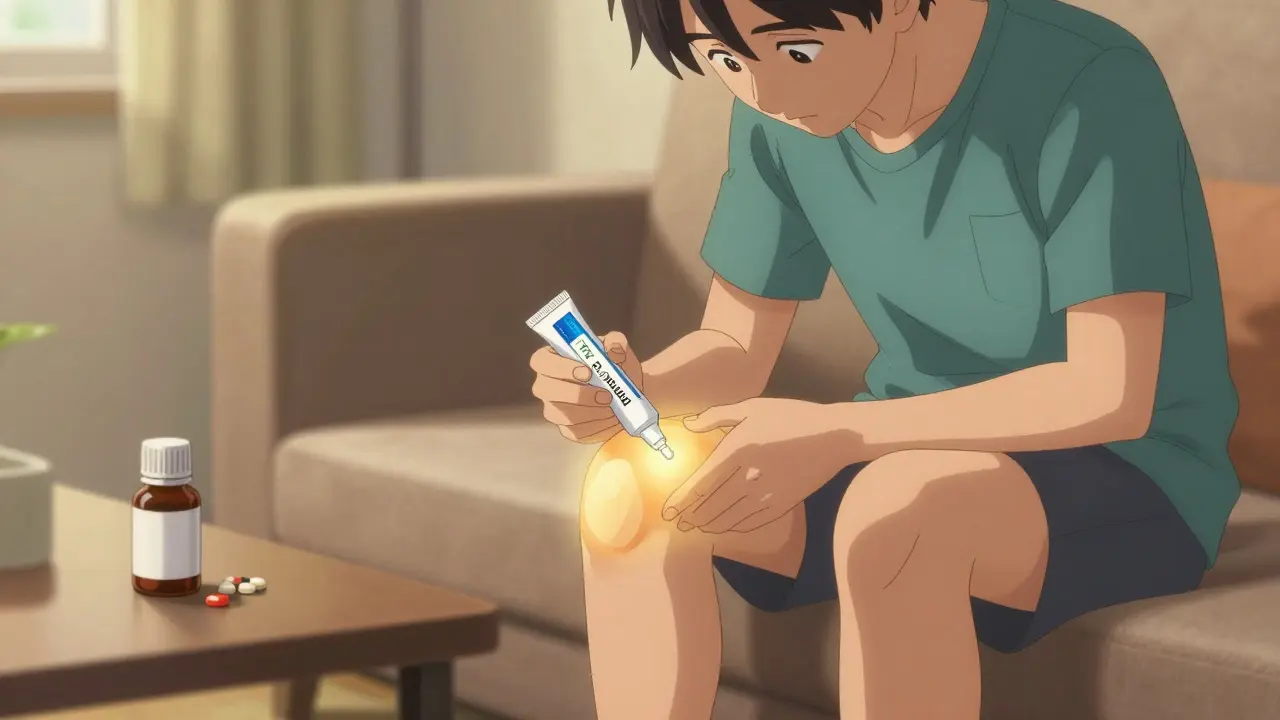
Stop Swallowing Pills for Localized Pain
You probably know the drill. You hurt your knee, twist your ankle, or feel that familiar sting of nerve pain, and the automatic reach is for a bottle of ibuprofen or acetaminophen. But here is the reality many patients face: those pills travel through your whole body. They sit in your stomach, pass through your liver, and affect your kidneys before they even get to the painful spot.
There is a better way. Topical analgesics deliver pain relief right where you need it, skipping the digestive system entirely. These creams, gels, and patches target peripheral nociceptive pathways with minimal systemic absorption. While they might look simple, the science behind them is advanced. By March 2026, we have seen massive improvements in transdermal delivery systems compared to the mid-20th century origins of these medications.
When treating localized conditions like sprains or joint inflammation, Topical Analgesics represent a class of medications applied externally to the skin for localized pain relief. Unlike oral opioids which carry addiction risks, these agents occupy a significant position in multimodal pain management strategies. According to a 2018 Cochrane Review update, topical NSAIDs demonstrate efficacy for acute musculoskeletal pain with number needed to treat (NNT) values of 2.7 for pain relief at one week. This means for every three people who use them, two get real benefit. For patients with contraindications to oral analgesics, this shift away from systemic drugs is often a game changer.
How Three Major Classes Actually Work
You cannot choose the right product if you do not understand what is happening under your skin. There are three main types dominating the market, and they function through distinct biological mechanisms.
Lidocaine, specifically the 5% patch formulation often known as Lidoderm® or similar generics, acts as a sodium channel blocker. Think of sodium channels as gates that allow nerve impulses to travel. When these gates are blocked, the signal stops. During a single 12-hour application period, systemic absorption reaches only 63 mg. This results in peak plasma concentrations of roughly 0.13 μg/ml-about 10% of the anti-arrhythmic threshold used for heart conditions. Essentially, it numbs the local nerves without affecting your heart rhythm.
Then there is the spicy option. Capsaicin, derived from chili peppers, functions differently. It works as a TRPV1 agonist. Upon first application, it causes depolarization through sodium and calcium influx. You will feel heat, sometimes burning sensations, as it depletes Substance P, a neurotransmitter involved in pain signaling. High-concentration (8%) patches like Qutenza® produce median plasma concentrations of only 0.07 ng/mL. This is crucial because it allows the medication to desensitize pain nerve fibers without intoxicating the brain.
Finally, we have the classic anti-inflammatories. NSAID Gels, such as diclofenac 1% gel (Voltaren®), operate through local cyclooxygenase (COX) inhibition. This blocks the production of prostaglandins, chemicals that trigger swelling and pain signals. Microdialysis studies confirm tissue concentrations reaching 10 to 100 times higher than plasma levels. This concentration ensures effective reduction of prostaglandin synthesis in periarticular and intracapsular structures without significant systemic exposure. Menthol-based formulations, often mixed in, activate TRPM8 channels, generating cooling sensations that modulate pain pathways alongside the anti-inflammatory action.
Comparing Real-World Efficacy
Data tells us which option works best for specific conditions. You cannot use a lidocaine patch effectively for a deep hip joint issue, but it excels for surface-level nerve pain.
| Type | Best Condition | NNT Value | Systemic Risk |
|---|---|---|---|
| Topical NSAID | Osteoarthritis (Knee) | 2.7 (Acute MSK) | Minimal (GI 0.03%) |
| Lidocaine Patch | Neuropathic Pain | 6.7 (Postherpetic) | Very Low |
| Capsaicin Patch | Shingles Pain | 4.4 (Postherpetic) | Negligible |
For acute musculoskeletal pain, topical NSAIDs demonstrate an NNT of 2.7 compared to 3.5 for oral NSAIDs. This statistical advantage translates to fewer patients needing alternative treatments. Furthermore, the gastrointestinal adverse event rates are significantly lower (0.03% versus 1.5% for oral NSAIDs). If you are managing postherpetic neuralgia (pain from shingles), 8% capsaicin patches show an NNT of 4.4 compared to 7.2 for pregabalin. However, the trade-off is convenience; capsaicin requires clinic administration due to the intense sensation during application.
Lidocaine 5% patches demonstrate an NNT of 6.7 for postherpetic neuralgia. While higher than capsaicin's effectiveness score, it offers minimal systemic effects compared to tricyclic antidepressants which carry significant side effect profiles like dry mouth and drowsiness. The key advantage across all topicals includes minimal drug interactions, which is particularly important for polypharmacy patients taking multiple prescriptions. Additionally, there is no renal or hepatic metabolism requirement, making them suitable for elderly patients with multiple comorbidities.

Safety Profile and Skin Reactions
Just because a medication stays on the skin does not mean it is risk-free. Disadvantages include limited penetration to deep tissues. Current research notes these agents are effective only to approximately 5 to 10 mm depth. If your pain source is deep inside a large joint like the hip, these gels might struggle to reach the inflammation site.
Absorption varies based on skin integrity and application site. If you apply gel to broken skin, absorption skyrockets, potentially leading to toxicity. Transient application site reactions affect 10 to 30% of users. Specifically, capsaicin's initial burning sensation causes 30 to 50% of patients to discontinue treatment prematurely according to clinical trial data. Lidocaine patches show a 5 to 15% incidence of application site erythema (redness). Despite this, patient reports indicate that 82% of satisfied users cite minimal systemic side effects as their primary reason for switching from oral medications.
The European Medicines Agency has issued warnings about potential misuse of high-concentration capsaicin products. Similarly, the FDA maintains cautions regarding topical NSAID use in patients with cardiovascular risk factors. While the risk is significantly lower than oral formulations, doctors still advise checking your medical history before starting a regimen.
Mastering the Application Technique
Much of the failure rate comes down to user error. Clinical studies show peak tissue concentrations occur approximately 1.5 hours after application for gels. This timing matters. If you apply it too late in the day, you might miss your window of relief.
The American Academy of Neurology 2023 guidelines recommend 5% lidocaine patches for localized neuropathic pain with a schedule of 12 hours on and 12 hours off. This maintains therapeutic levels while minimizing irritation. For capsaicin, the defunctionalization effect requires initial application under medical supervision. NSAID gels typically require 4 applications daily with at least 4-hour intervals.
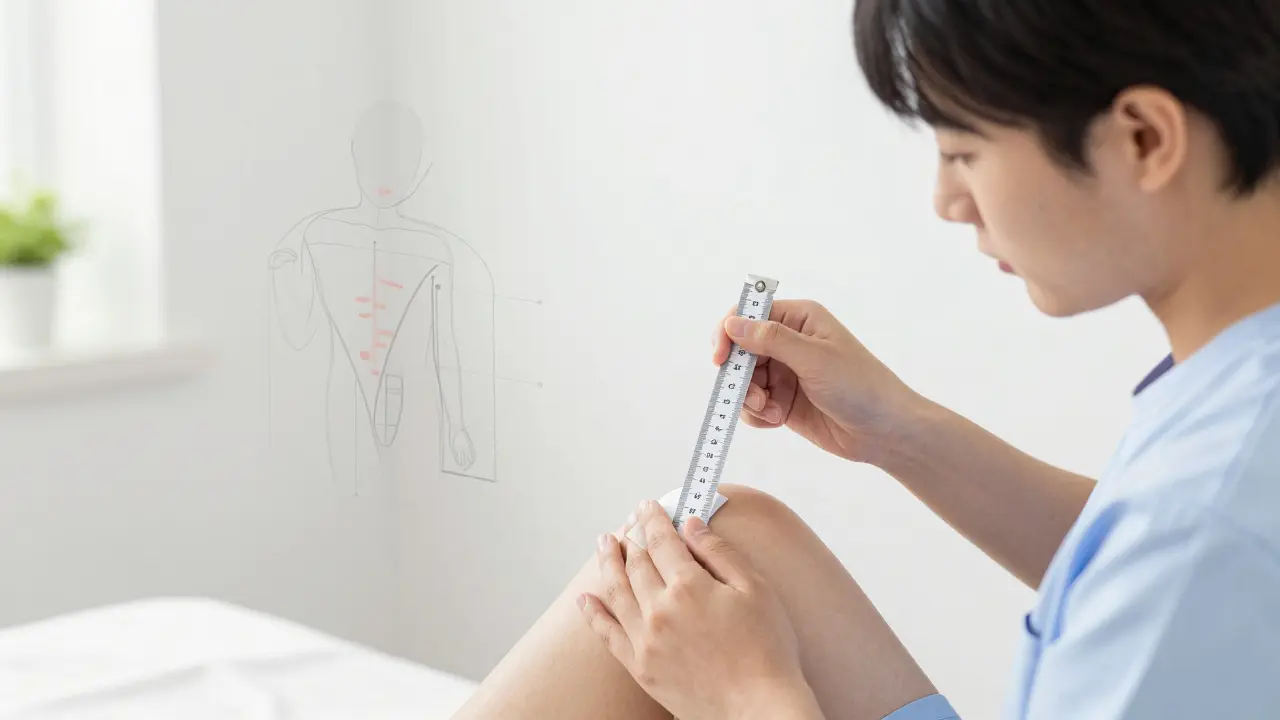
Learning curve assessments indicate patients require 2-3 applications to master proper technique. Common errors include applying insufficient quantity-60% of first-time users apply less than the recommended 2 to 4 inch ribbon of gel. Others massage the area improperly or apply to broken skin, cited in 25% of adverse event reports. Documentation quality varies; prescription patches provide detailed videos, while OTC gels often offer minimal instructions beyond "apply to affected area." To get the most out of these products, measure your dose carefully using a ruler or measuring guide until you build muscle memory.
Market Trends and Availability in 2026
The demand for non-opioid options continues to drive the industry. Global markets were valued at $5.2 billion in 2022 and projected to reach $8.7 billion by 2028. This growth is driven by the opioid crisis response and an aging population dealing with musculoskeletal conditions. Prescription products like Qutenza generated $247 million in US sales in 2022, while OTC NSAID gels continue to dominate the consumer market.
Adoption rates remain highest among elderly patients. Statistics show 42% of Medicare beneficiaries use topical analgesics for osteoarthritis, compared to just 18% of adults aged 18 to 44. Regulatory considerations include the FDA's 2020 requirement for cardiovascular risk warnings on all NSAID products. Long-term viability appears strong given the increasing focus on multimodal analgesia. Future developments include nanoemulsion technologies showing 2.3 times higher tissue concentration than standard gels with equivalent plasma levels, promising even better performance in the coming years.
Frequently Asked Questions
Can I use topical NSAIDs with blood thinners?
Yes, generally. Since topical NSAIDs have minimal systemic absorption compared to oral versions, they pose significantly less risk of interacting with blood thinners like warfarin. However, always consult your doctor, especially if you have bleeding disorders, as some absorption still occurs through the bloodstream.
Why does capsaicin burn so much when I first use it?
This is a normal physiological reaction. Capsaicin activates TRPV1 receptors, causing an influx of sodium and calcium that feels like burning heat. With repeated use, these receptors desensitize, and the pain-blocking effect takes over without the burning sensation.
How long does a lidocaine patch last?
Standard usage protocols limit lidocaine patches to 12 hours of continuous wear. After 12 hours, you must remove the patch and wait another 12 hours before applying a fresh one to the same area to prevent skin irritation.
Are topical pain gels safe for pregnant women?
Safety depends on the active ingredient. NSAID gels are often discouraged during late pregnancy due to fetal risks associated with COX inhibition. Lidocaine patches may be safer locally, but you must discuss specific pregnancy categories with your obstetrician before applying any medicated skin products.
Can I cover my patch with clothing?
Generally, yes. Most patches are designed to be worn under loose clothing. Avoid tight bandages directly over the patch as they can increase absorption beyond safe limits, leading to systemic side effects like dizziness or numbness in other areas.






Write a comment
Your email address will be restricted to us