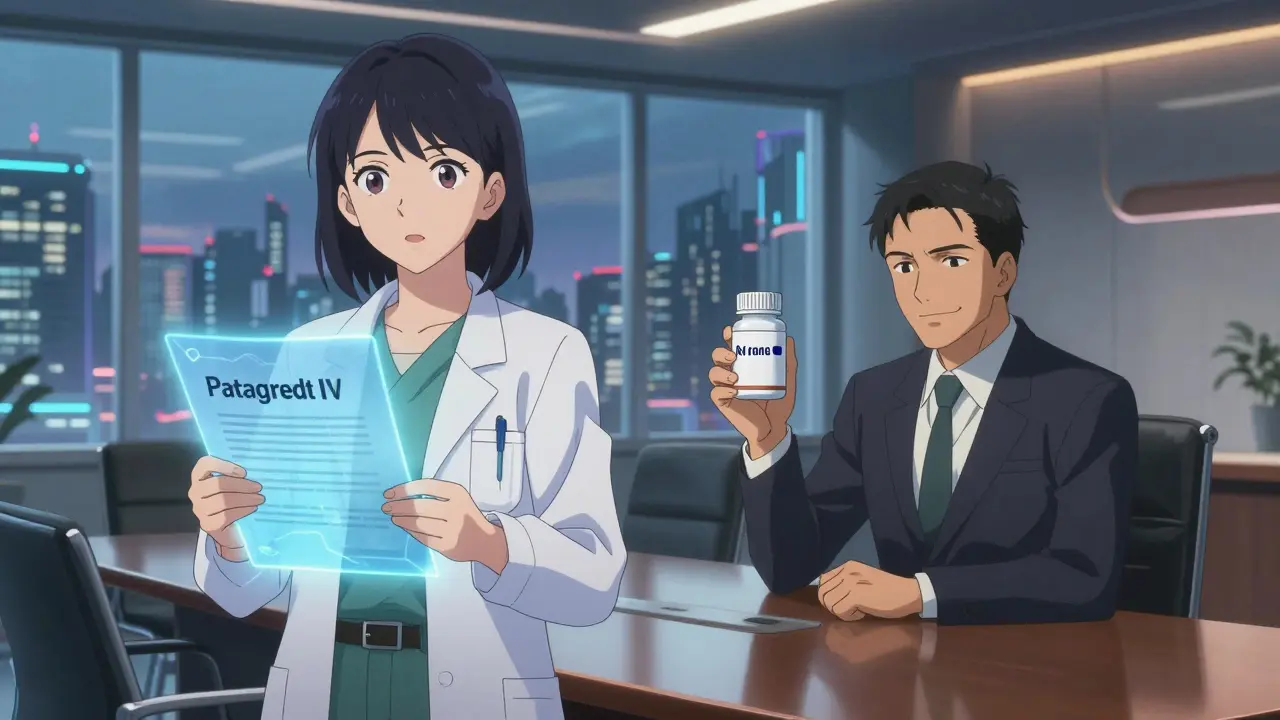
Imagine spending millions of dollars and years of legal battles to be the first generic drug on the market. You finally win your patent challenge, get approval from the FDA, and prepare to launch. But before you can even ship a single pill, the brand-name manufacturer launches their own version of the drug-without the brand name. This is an authorized generic, and it completely changes the game. For decades, this loophole has been one of the most contentious issues in pharmaceutical law, pitting the incentives created by the Hatch-Waxman Act against the competitive realities of the modern drug market.
If you are involved in pharmaceutical development, patent litigation, or healthcare policy, understanding the intersection of 180-day exclusivity and authorized generics is not just academic-it is financial survival. The rules governing these interactions are complex, often contradictory, and heavily litigated. This guide breaks down the legal framework, the strategic implications, and the current state of play in 2026.
How 180-Day Exclusivity Works Under Hatch-Waxman
To understand why authorized generics are such a disruptive force, we first need to look at the incentive structure designed to encourage them. The Drug Price Competition and Patent Term Restoration Act of 1984, commonly known as the Hatch-Waxman Act, was crafted to balance two competing interests: protecting innovation for brand-name companies and promoting competition through lower-cost generics.
The core mechanism for encouraging generic entry is the 180-day exclusivity period. This provision grants the first generic applicant who successfully challenges a listed patent a temporary monopoly on that generic product. Here is how it works in practice:
- Paragraph IV Certification: A generic manufacturer files an Abbreviated New Drug Application (ANDA) with the FDA. To qualify for exclusivity, they must include a "Paragraph IV" certification, stating that the brand-name patents listed in the FDA Orange Book are invalid, unenforceable, or will not be infringed.
- Patent Litigation: Filing this certification triggers a 45-day window for the brand-name holder to sue for patent infringement. If they do, the FDA approval clock pauses for up to 30 months.
- Winning the Challenge: If the generic company wins the lawsuit (or the patent expires), they become the "first applicant."
- The Reward: The FDA cannot approve any other ANDA for the same drug for 180 days after the first generic begins commercial marketing or after a court declares the patent invalid, whichever comes first.
This exclusivity is incredibly valuable. In the absence of competition, the first generic entrant can capture significant market share, often commanding prices much higher than subsequent generics. It is this potential windfall that motivates companies to take on the high risk and cost of patent litigation.
The Authorized Generic Loophole
Here is where the legal landscape gets tricky. The Hatch-Waxman Act restricts the FDA from approving *other* generic applications during the 180-day window. However, it does not explicitly prohibit the brand-name manufacturer from selling its own product under a generic label. These are authorized generics.
An authorized generic is chemically identical to the brand-name drug. It uses the same manufacturing process, the same quality controls, and often the same facility. The only difference is the packaging and labeling; the brand name is removed. Because the brand-name company already holds the New Drug Application (NDA) for the product, they do not need to file an ANDA, undergo bioequivalence testing, or wait for FDA approval to sell it as a generic.
This creates a unique competitive dynamic. While the first generic challenger enjoys exclusivity against *other* generic competitors, they are immediately exposed to competition from the original innovator. This undermines the very purpose of the 180-day exclusivity period, which was intended to provide a "bounty" for successful patent challengers.
| Feature | First Generic Entrant (Paragraph IV) | Authorized Generic |
|---|---|---|
| Regulatory Pathway | Abbreviated New Drug Application (ANDA) | New Drug Application (NDA) - No new approval needed |
| Patent Challenge Required? | Yes (Paragraph IV Certification) | No |
| Litigation Risk | High (Must defend against patent suits) | None |
| Time to Market | Years (Development + Litigation + FDA Review) | Immediate (Upon decision to launch) |
| Exclusivity Protection | Protected from other generics for 180 days | Not protected; can launch anytime |
| Cost to Launch | $2-5 million+ in legal/regulatory fees | Minimal (Packaging and distribution costs only) |
Legal and Strategic Implications
The ability of brand-name manufacturers to launch authorized generics during the exclusivity period has profound legal and strategic implications for all parties involved. It transforms the 180-day window from a guaranteed period of profit into a highly uncertain gamble.
Impact on Generic Manufacturers
For generic companies, the threat of an authorized generic is a major deterrent to filing Paragraph IV certifications. Studies have shown that when an authorized generic enters the market during the exclusivity period, the first generic’s market share can drop from approximately 80% to 50%. This reduction translates to a loss of 30-50% in potential revenue. Given that challenging a single patent can cost $3.2 million on average, this revenue erosion makes many challenges financially unviable, particularly for smaller generic firms.
Brand-Name Manufacturer Strategies
Brand-name companies use authorized generics as a defensive tool. By launching an authorized generic, they can fragment the generic market immediately. This strategy prevents the first generic entrant from achieving the economies of scale necessary to drive prices down aggressively. It also allows the brand-name company to retain some premium pricing power while still offering a lower-cost option to price-sensitive consumers and payers.
Antitrust Concerns
The Federal Trade Commission (FTC) has scrutinized these practices closely. Between 2010 and 2022, the FTC filed numerous antitrust lawsuits alleging that brand-name manufacturers used authorized generics improperly to delay genuine generic competition. The central question in these cases is whether the launch of an authorized generic is a legitimate business strategy or an anti-competitive tactic designed to circumvent the spirit of the Hatch-Waxman Act.
Navigating the Triggering Mechanism
A critical aspect of 180-day exclusivity is knowing exactly when the clock starts ticking. The exclusivity period begins upon "first commercial marketing." This definition has been the subject of extensive FDA guidance and legal interpretation.
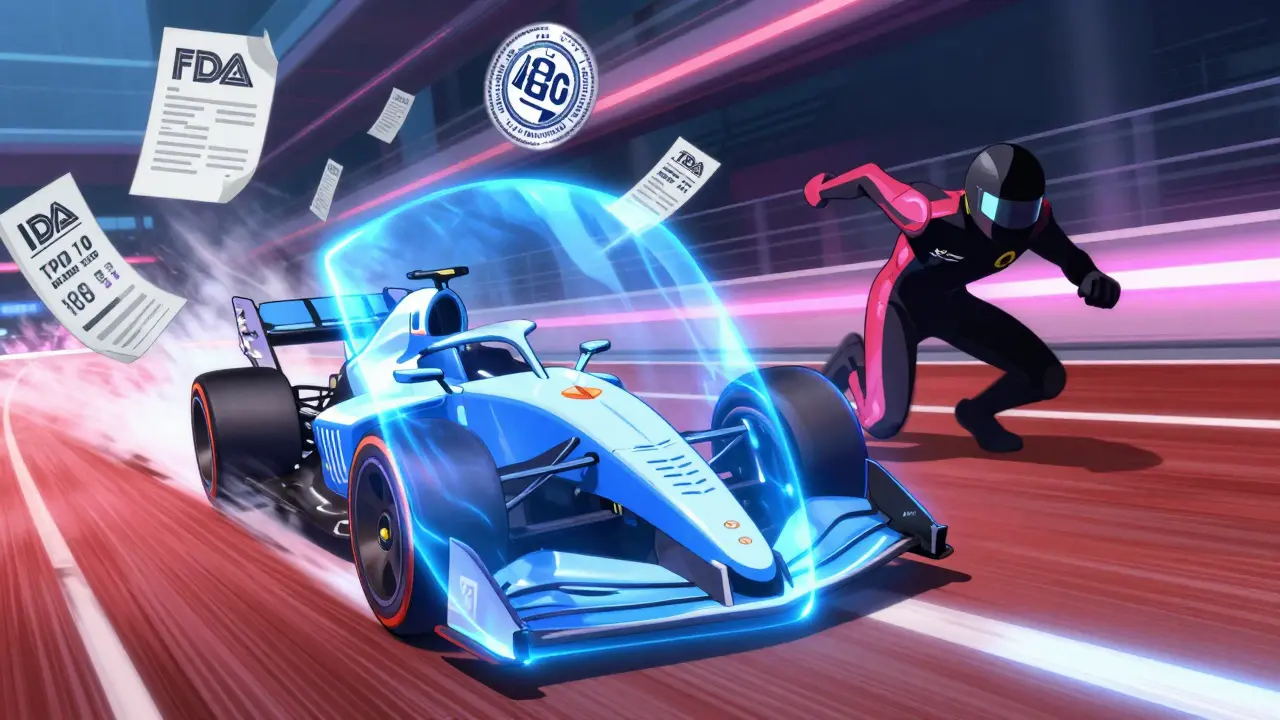
According to FDA guidelines, "first commercial marketing" requires both FDA approval and the actual shipment of the product to customers. Simply having the drug approved is not enough. However, generic manufacturers face a delicate balancing act:
- Premature Triggering: If a company triggers the clock before it is ready to scale production and distribution, it may waste valuable exclusivity days while ramping up operations.
- Delayed Triggering: If a company waits too long, it risks losing its status as the "first applicant" if another generic manages to launch first, or it may forfeit the exclusivity entirely due to procedural errors.
Data from the FDA indicates that nearly 30% of first generic applicants between 2018 and 2022 lost some portion of their exclusivity due to errors in triggering the period. To mitigate this risk, leading generic manufacturers now establish cross-functional teams comprising regulatory affairs, legal, and commercial personnel well in advance of anticipated approval dates.
Current Legislative Landscape in 2026
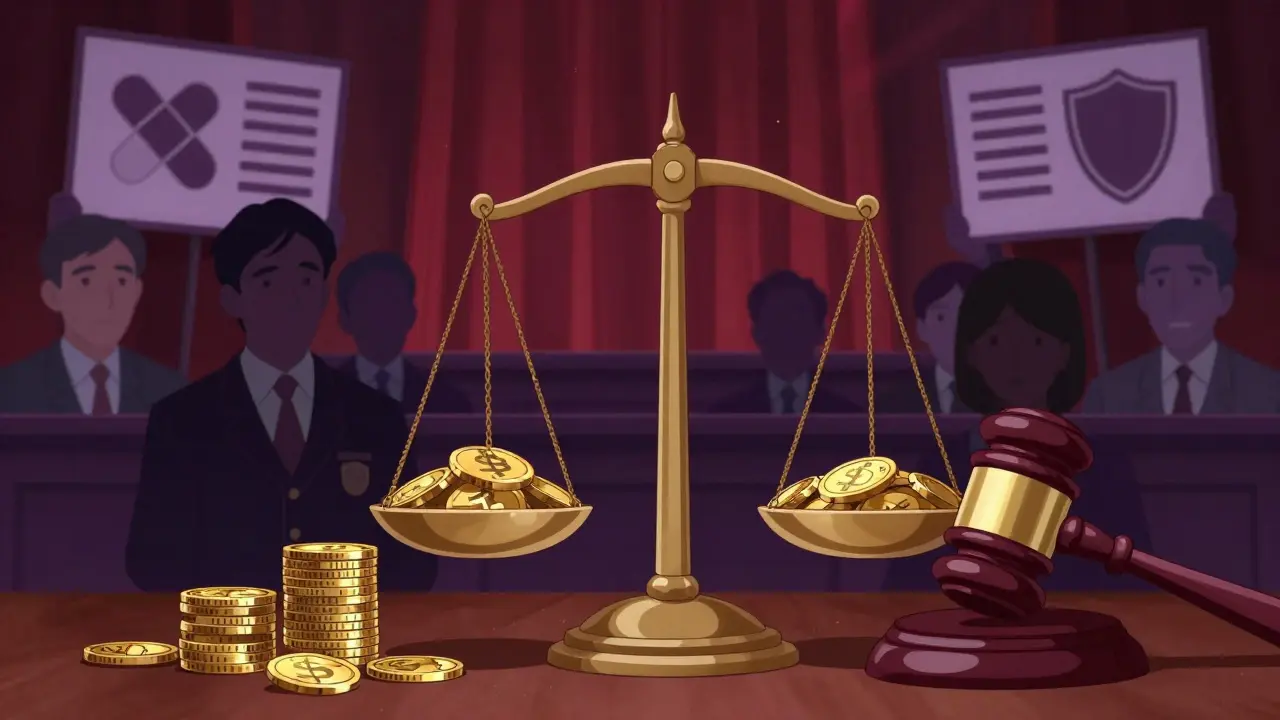
The tension between 180-day exclusivity and authorized generics remains unresolved in statute, but legislative efforts continue. As of 2026, several proposals have been introduced in Congress aimed at closing the authorized generic loophole. The most prominent is the Preserve Access to Affordable Generics and Biosimilars Act.
This legislation would explicitly prohibit brand-name manufacturers from launching authorized generics during the 180-day exclusivity period. Proponents argue that this change would restore the intended incentive structure of the Hatch-Waxman Act, encouraging more robust patent challenges and faster entry of true generic competition. Industry analysts project that banning authorized generics during this period could increase the value of successful Paragraph IV challenges by $150-$250 million per drug.
However, brand-name industry groups continue to oppose such bans. They argue that authorized generics benefit consumers by providing immediate price competition. Citing studies from organizations like the RAND Corporation, they claim that prices are 15-25% lower when authorized generics compete with the first generic entrant compared to scenarios with only one generic competitor. The debate ultimately hinges on whether the primary goal of pharmaceutical policy is to maximize short-term price reductions or to incentivize long-term systemic competition through patent challenges.
Practical Advice for Stakeholders
Whether you represent a generic manufacturer, a brand-name company, or a healthcare payer, here are key takeaways for navigating this complex environment:
- For Generic Developers: Conduct thorough due diligence on the brand-name manufacturer’s history with authorized generics. Factor the risk of authorized generic entry into your financial models for Paragraph IV challenges. Consider negotiating contractual provisions in settlement agreements that delay authorized generic launches.
- For Brand-Name Companies: Understand the antitrust boundaries. While launching an authorized generic is legally permissible, doing so in coordination with patent settlements can trigger FTC scrutiny. Ensure your strategy is based on legitimate business reasons rather than anti-competitive intent.
- For Payers and Providers: Monitor the launch of authorized generics closely. They can offer significant savings, but their availability is unpredictable. Diversify formularies to ensure access to multiple generic options whenever possible.
What is the difference between an authorized generic and a regular generic?
An authorized generic is the exact same drug as the brand-name product, produced by the same manufacturer using the same process, but sold without the brand name. A regular generic is produced by a different company and must demonstrate bioequivalence to the brand-name drug through the FDA's ANDA process. Authorized generics do not require new FDA approval, whereas regular generics do.
Why do brand-name companies launch authorized generics?
Brand-name companies launch authorized generics to compete directly with the first generic entrant during the 180-day exclusivity period. This strategy helps them retain market share, prevent the generic competitor from gaining too much leverage, and offer a lower-priced option to consumers without fully abandoning the brand-name market.
Does 180-day exclusivity protect against authorized generics?
No. The 180-day exclusivity period only prevents the FDA from approving *other* generic applications (ANDAs). It does not stop the brand-name manufacturer from selling their own product as an authorized generic, as they already hold the necessary NDA approval.
When does the 180-day exclusivity clock start?
The clock starts on the date of "first commercial marketing," which is defined as the date the first generic applicant ships the product to customers after receiving FDA approval. Alternatively, it can start on the date of a court decision finding the patent invalid or unenforced, whichever occurs first.
Is there legislation to ban authorized generics during exclusivity?
Yes, proposals like the Preserve Access to Affordable Generics and Biosimilars Act have been introduced in Congress to prohibit brand-name manufacturers from launching authorized generics during the 180-day exclusivity period. As of 2026, these bills remain under consideration and have not yet been enacted into law.
How much revenue can a generic company lose due to authorized generics?
Research suggests that when an authorized generic enters the market during the exclusivity period, the first generic entrant’s market share can drop from roughly 80% to 50%. This typically results in a 30-50% reduction in potential revenue, significantly impacting the return on investment for costly patent litigation.