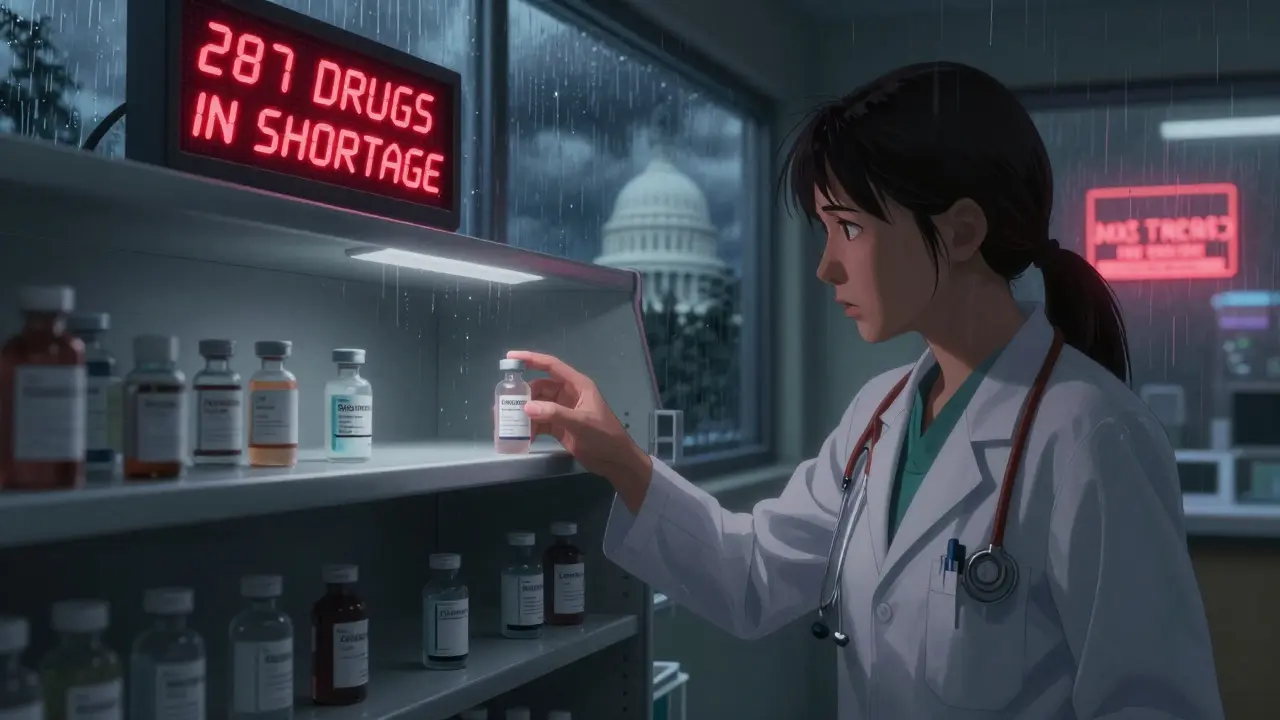
Drug shortages aren’t just inconvenient-they’re dangerous. In 2025, nearly 300 medications were in short supply, with almost half of them being life-saving drugs like insulin, chemotherapy agents, and antibiotics. Hospitals scrambled. Patients delayed treatment. Doctors had to improvise. And while the public watched, Congress introduced two major bills meant to fix this. But here’s the catch: drug shortages aren’t getting fixed. They’re getting ignored.
The Two Bills Trying to Stop the Crisis
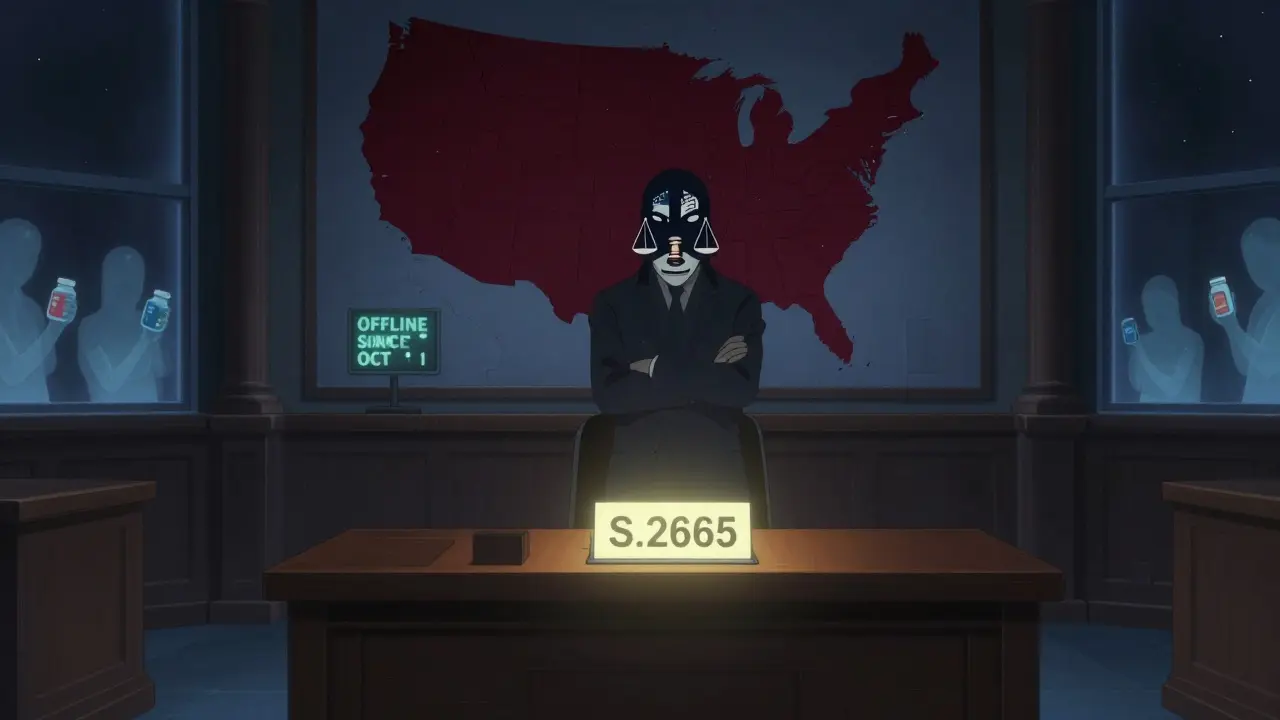
The 119th Congress introduced two bills directly aimed at drug and provider shortages. The first, S.2665-the Drug Shortage Prevention Act of 2025-was introduced by Senator Amy Klobuchar in August 2025. It’s simple on paper: make drug manufacturers tell the FDA when demand for a critical medicine starts to spike. Right now, companies aren’t required to say anything until it’s too late. By then, pharmacies are empty, and patients are at risk.S.2665 doesn’t create new taxes. It doesn’t fund new agencies. It just adds a reporting rule under the existing Federal Food, Drug, and Cosmetic Act. If passed, manufacturers would have to notify the FDA within 30 days of any projected increase in demand for drugs on a government-defined "critical" list. That list? Still unpublished. The timeline? Unclear. The penalties? Not defined. But the goal is clear: catch shortages before they happen.
The second bill, H.R.1160-the Health Care Provider Shortage Minimization Act of 2025-was introduced in the House. Unlike S.2665, we don’t know what it actually says. No summary. No committee assignment. No sponsor details beyond the bill number. All we know is it’s meant to tackle the shortage of doctors, nurses, and other frontline providers. The numbers back it up: over 122 million Americans live in areas with not enough primary care providers. By 2034, we’ll be short 124,000 physicians. This bill could help. But right now, it’s a ghost.
Why These Bills Are Stuck
The biggest reason these bills haven’t moved? The longest government shutdown in U.S. history.Starting October 1, 2025, federal agencies stopped functioning. The FDA, which runs the Drug Shortage Portal, furloughed most of its staff. The CDC paused data collection. The Department of Health and Human Services shut down outreach programs. Without people to review reports, update systems, or even open emails, S.2665’s notification system can’t even be tested.
And here’s the irony: the bill needs $45 million a year just to run. That’s not a lot-less than what Congress spends on one day of the shutdown. But with the federal deficit hitting $1.74 trillion in just one year, and Republicans pushing to cut $7.9 billion in foreign aid, there’s no room left for health infrastructure. A proposed continuing resolution in November 2025 extended funding only through January 30, 2026. No mention of drug shortages. No funding for H.R.1160. Just silence.
What’s Really Causing the Shortages
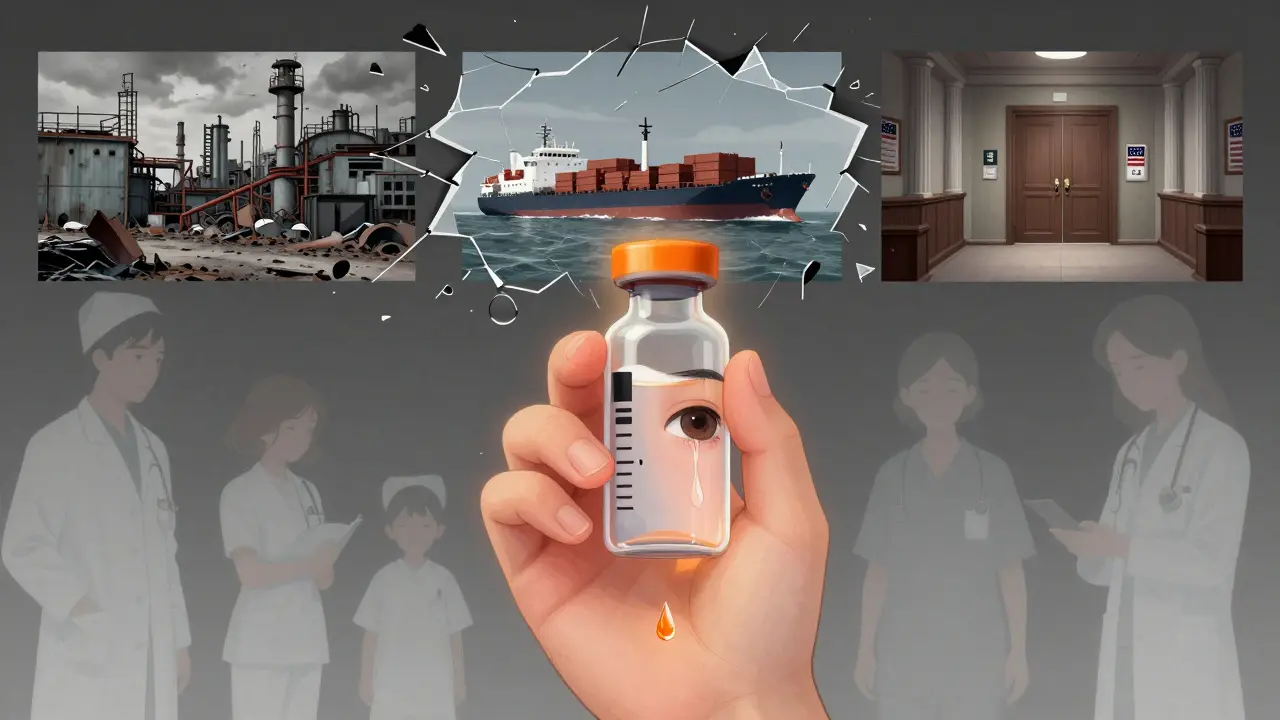
The problem isn’t just bad policy. It’s broken systems.According to the FDA, 63% of drug shortages come from manufacturing delays. Why? Because making generic drugs is cheap, but not profitable. Companies stop production when prices drop. One factory in Puerto Rico stopped making a common antibiotic because it wasn’t worth the cost. That one shutdown affected 12 million patients.
Meanwhile, the supply chain is fragile. A single chemical ingredient sourced from China can delay an entire batch. And there’s no backup. No redundancy. No stockpile. The government doesn’t keep emergency reserves for most critical drugs-not even for cancer treatments or heart medications.
Provider shortages are just as bad. Medical schools aren’t training enough doctors. Rural hospitals can’t afford to hire nurses. And Medicare reimbursement rates? They haven’t kept up with inflation since 2018. So doctors leave. Patients go without.
Who’s Feeling the Pain
It’s not just statistics. It’s real people.A 2025 survey by the American Medical Association found 87% of physicians had to change a patient’s treatment because a drug wasn’t available. A hospital in Ohio had to delay chemotherapy for 17 cancer patients for over two weeks. A mother in Texas couldn’t get insulin for her 8-year-old for six days. She had to ration doses.
And here’s the kicker: 87% of doctors knew about the drug shortage crisis. Only 12% had even heard of H.R.1160.
Healthcare organizations are screaming. The American Hospital Association reported that 98% of hospitals faced at least one critical drug shortage in Q3 2025. The Association for Accessible Medicines said generic drug shortages hit record levels. But Congress? They’re busy arguing over phone records and foreign aid.
What Happens Next
If the shutdown ends before January 30, 2026, there’s a slim chance S.2665 gets a hearing. But even then, it will face opposition. Some lawmakers say notification rules are "burdensome." Others argue the FDA already has tools. They’re wrong. The Drug Shortage Portal has been down since October. No one’s maintaining it.H.R.1160? It’s already dead. No sponsor, no debate, no public record. Without a detailed bill, there’s no way to fix it. No way to fund it. No way to even start.
And if Congress doesn’t act before January 2027, both bills expire. The 119th Congress ends. All progress vanishes. The next Congress starts from scratch. Another year lost. More patients hurt. More lives at risk.
The truth? We already know how to fix this. We just won’t.
What is the Drug Shortage Prevention Act of 2025 (S.2665)?
S.2665 is a Senate bill introduced in August 2025 that requires pharmaceutical manufacturers to notify the FDA when they expect increased demand for critical drugs. The goal is to prevent shortages by giving regulators time to respond. It doesn’t create new funding or change pricing-it just adds a reporting requirement under existing law. As of November 2025, it’s still in committee with no further action.
Why hasn’t H.R.1160 moved forward?
H.R.1160, the Health Care Provider Shortage Minimization Act of 2025, has no public details. No bill text, no committee assignment, no sponsors beyond its bill number. Without this information, it can’t be debated, amended, or funded. It exists only on paper and has not been prioritized amid the government shutdown and other legislative battles.
How many drugs are currently in short supply?
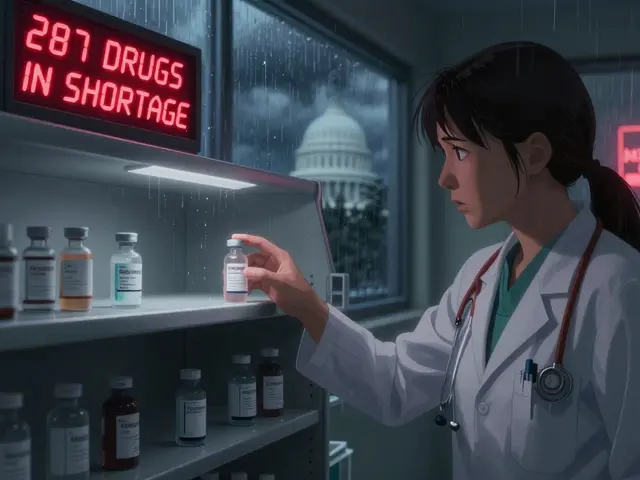
As of September 30, 2025, the FDA listed 287 drugs in shortage, with 47% classified as "critical"-meaning they treat life-threatening conditions like cancer, heart disease, or infections. These include common medications like insulin, morphine, and certain antibiotics.
Are drug shortages getting worse?
Yes. In 2024, there were 248 shortages. In 2025, that number rose to 287. The number of "critical" shortages increased by 15%. Manufacturing delays, supply chain disruptions, and low profit margins for generic drugs are the main drivers. The government shutdown has made monitoring and response even harder.
Why don’t companies just make more of these drugs?
Making generic drugs isn’t profitable. The prices are low, and production costs are high. Many manufacturers operate on thin margins. If one company stops production-say, because of a quality issue or a factory shutdown-there’s often no backup. The FDA doesn’t have the authority to force production, and there’s no federal stockpile for most critical drugs.