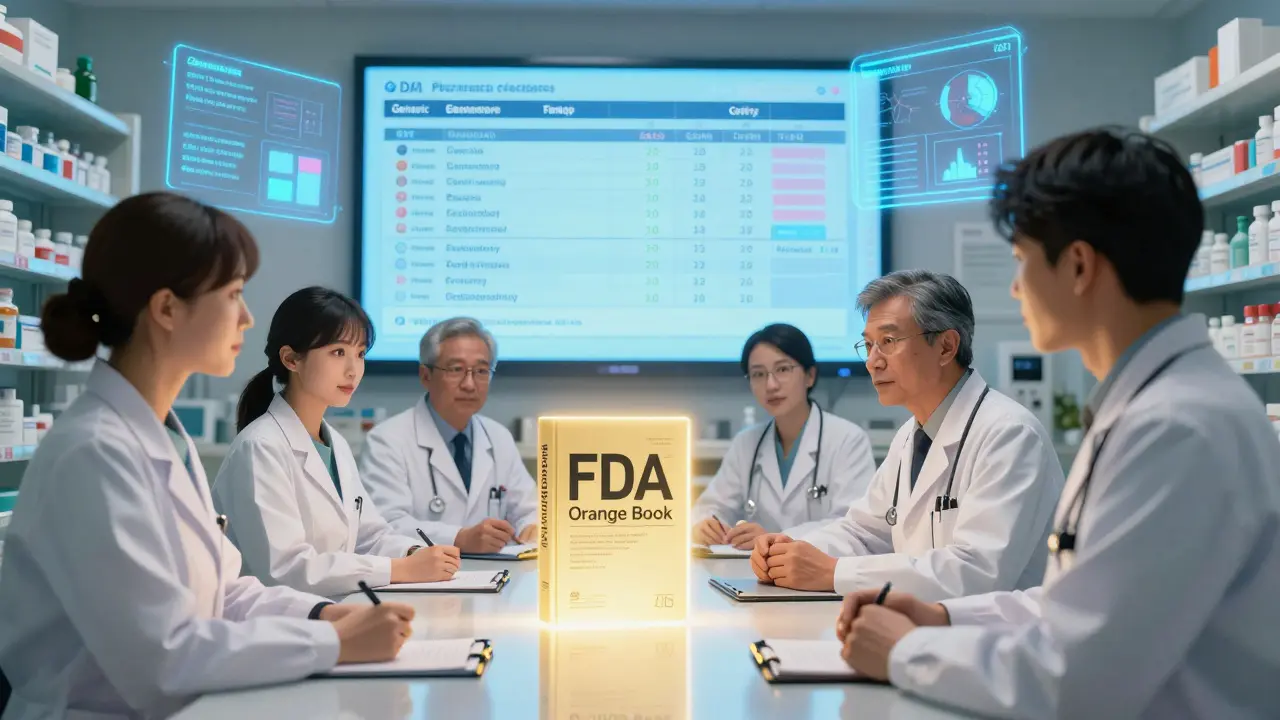
Every time a patient gets a prescription in a hospital, the medication they receive didn’t just appear on the shelf by chance. It was chosen through a strict, evidence-based system called a hospital formulary. This isn’t a static list. It’s a living, breathing decision-making engine that balances clinical safety, effectiveness, and cost - especially when it comes to generic drugs.
What Exactly Is a Hospital Formulary?
A hospital formulary is a curated list of medications approved for use within a healthcare system. It’s not just a catalog - it’s a rulebook. Only drugs on this list are routinely stocked and prescribed unless there’s a rare, documented exception. Most U.S. hospitals with 100 or more beds use a closed formulary, meaning if a drug isn’t on the list, it’s not available unless special approval is granted. The formulary typically includes between 300 and 1,000 drug dosage forms. That might sound like a lot, but consider this: there are over 10,000 FDA-approved drugs in the U.S. The formulary cuts that down to the most reliable, cost-effective options. And when it comes to generics, they dominate. In fact, 90% of all prescriptions filled in hospitals are for generic drugs - yet they make up only about 26% of total drug spending.Who Decides What Goes On the List?
The Pharmacy and Therapeutics (P&T) committee is the gatekeeper. This group isn’t made up of administrators or sales reps. It’s a multidisciplinary team: pharmacists with Board Certification in Pharmacotherapy (BCPP), physicians from key specialties like cardiology and infectious disease, a healthcare economist, and sometimes a nurse or patient advocate. Committees usually have 12 to 15 members. They meet regularly - quarterly at academic hospitals, semi-annually at smaller ones - to review new drug requests and re-evaluate existing ones. A request to add a new generic drug? It starts with a formal dossier. That includes clinical trial data, pharmacokinetic studies, FDA approval documents, and real-world safety reports. The committee doesn’t just skim it. They dig in.How Do They Pick Generics Over Brand-Name Drugs?
It’s not just about price. The first step is verifying therapeutic equivalence. The FDA’s Orange Book is the starting point. A generic must prove it delivers the same amount of active ingredient into the bloodstream at the same rate as the brand-name version - within 80% to 125% of the reference drug’s pharmacokinetic profile. That’s the legal baseline. But hospitals go further. They look at:- Efficacy: At least 15 to 20 peer-reviewed clinical studies per drug class are reviewed. Does the generic perform just as well in real patients?
- Safety: Adverse event data from the FDA’s FAERS database is analyzed. Are there more reports of side effects with this generic version?
- Cost-effectiveness: Not just the sticker price. They model total cost of care: How does this drug affect length of hospital stay? Readmission rates? Emergency visits?
- Formulation: A generic pill might be cheaper, but if it’s harder to swallow or comes in a tablet size that confuses elderly patients, it can hurt compliance. That’s factored in.

Why Are Generics Usually Tier 1?
Most formularies use a tiered system - usually three to five levels - that determines how much a patient pays out-of-pocket. Generic drugs almost always land in Tier 1, meaning the patient pays the lowest copay, often just $5 or $10. Why? Because they’re proven safe, effective, and cheap. This isn’t just good for patients. It’s critical for hospital budgets. In 2023, U.S. hospitals spent roughly $650 billion on drugs. Generics saved the system billions. A study at Johns Hopkins showed switching to preferred generic anticoagulants saved $1.2 million a year - with zero increase in bleeding events.It’s Not Always Smooth - The Hidden Friction
Despite the logic, the system has friction. Pharmacists can legally substitute a generic for a brand-name drug under therapeutic interchange rules - but doctors don’t always agree. A 2022 survey by the American Pharmacists Association found 57% of pharmacists had clashed with physicians over substitution decisions. Doctors worry about subtle differences. One generic version of levothyroxine might have slightly different fillers that affect absorption in sensitive patients. A nurse at a Massachusetts hospital told an online forum: “We had to retrain the whole floor when we switched generics for warfarin. Three patients got confused and took the wrong dose.” Drug shortages make it worse. In 2022, 268 generic medications faced supply issues. When one generic runs out, the formulary team must quickly approve an alternative - sometimes within days. Mayo Clinic created a “therapeutic alternatives committee” that pre-identifies backup options. Their success rate? 98%.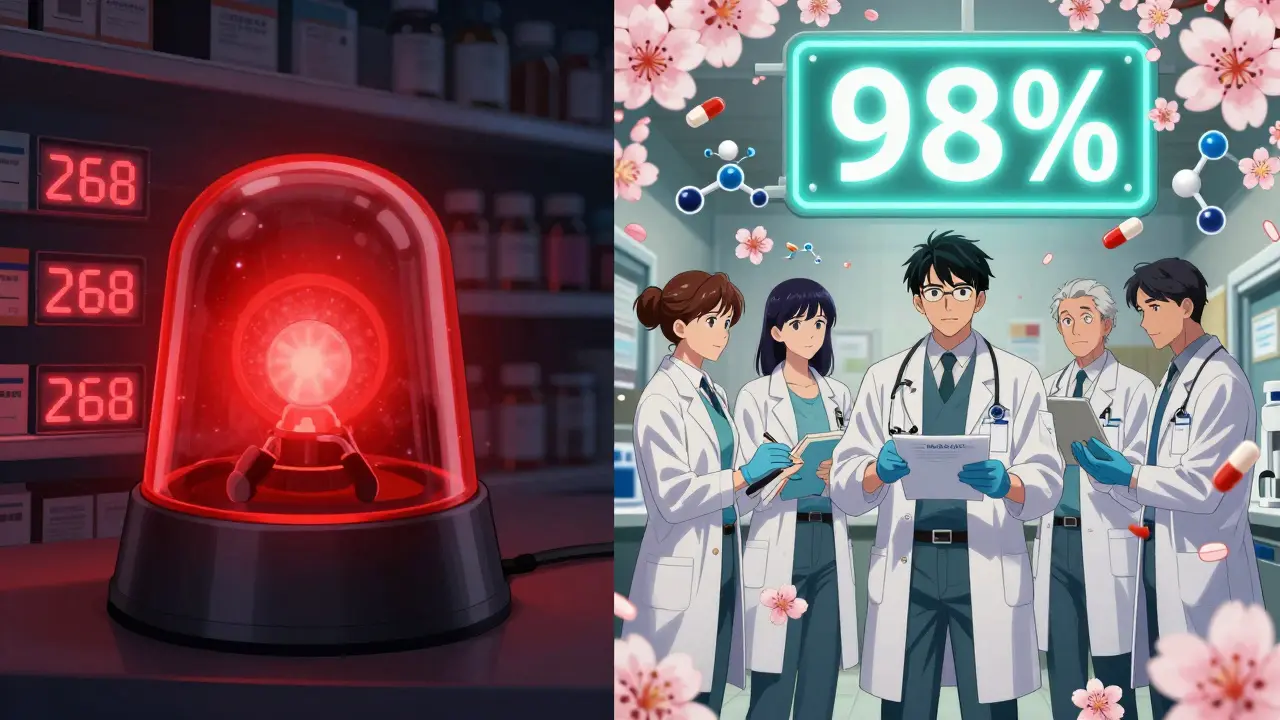
Who Influences the Decision?
You might assume pharmaceutical reps have a big say. They do - but not the way you think. A 2021 JAMA Internal Medicine study by Dr. Jerry Avorn showed that sales reps still visit hospitals, even with conflict-of-interest policies in place. Their pitches can sway opinions - especially when data is unclear. That’s why independent groups like the Institute for Clinical and Economic Review (ICER) are gaining influence. ICER’s cost-effectiveness analyses are now used by 65% of large hospital systems. Their reports don’t come from drug companies. They’re neutral, peer-reviewed, and focused on long-term outcomes.What’s Changing Now?
The biggest shift? Moving from “acquisition cost” to “total cost of care.” Hospitals used to pick generics based on the lowest per-pill price. Now they use predictive analytics to model downstream impacts. Does this drug reduce readmissions? Lower ICU stays? Avoid emergency visits? That’s what matters. A 2023 KLAS Research report found 61% of hospitals now use these models. And it’s working. One hospital system cut heart failure readmissions by 14% after switching to a preferred generic beta-blocker that improved adherence. Newer trends include:- Pharmacogenomics: 18% of academic hospitals now use genetic testing to guide formulary choices. If a patient has a gene variant that metabolizes a drug slowly, they might get a different generic version.
- Biosimilars: These are complex, biologic generics. Only 37% of hospitals have formal evaluation protocols for them - a major gap.
- Value-based contracts: 43% of hospitals now tie payments to outcomes. If a generic doesn’t reduce hospitalizations, the manufacturer pays part of the cost.
What’s Next?
The Inflation Reduction Act of 2022 will reshape how hospitals choose drugs by 2025, pushing them to align with Medicare’s new pricing rules. The Agency for Healthcare Research and Quality predicts that by 2028, all Medicare-certified facilities will be required to have a formal formulary system. The goal is simple: give patients the best possible care at the lowest sustainable cost. Generics are the backbone of that. But choosing the right one isn’t just a math problem. It’s a clinical judgment - made by experts, grounded in data, and constantly evolving.How are generic drugs different from brand-name drugs in hospital formularies?
Generic drugs have the same active ingredient, strength, dosage form, and route of administration as the brand-name drug. In hospital formularies, they must also prove therapeutic equivalence through FDA’s Orange Book standards - meaning they deliver the same amount of drug into the bloodstream at the same rate. Hospitals go further, testing real-world safety, efficacy, and how the formulation affects patient adherence. Cost is a factor, but never the first one.
Who decides which generic drugs get approved for a hospital formulary?
The Pharmacy and Therapeutics (P&T) committee makes the final call. This group includes pharmacists with clinical certifications, physicians from relevant specialties, a healthcare economist, and sometimes nurses or patient reps. They review clinical data, safety reports, and cost analyses before voting on inclusion. No single person decides - it’s a consensus-based process.
Why do some doctors resist using generic drugs?
Some doctors worry that different manufacturers’ generics may have slightly different inactive ingredients, which can affect absorption - especially for drugs with narrow therapeutic windows like warfarin or levothyroxine. Others are concerned about supply chain instability or past experiences with subpar generics. But most resistance comes from lack of familiarity, not science. When data shows equivalent outcomes, resistance drops.
Can a hospital use a drug that’s not on the formulary?
Yes, but only under special circumstances. If a patient has an allergy, intolerance, or unique medical need, a physician can request a non-formulary drug through an exception process. This usually requires documentation and prior approval from the P&T committee. It’s not common - less than 5% of prescriptions are non-formulary - but it’s a necessary safety valve.
How often are hospital formularies updated?
Academic medical centers review their formularies quarterly. Community hospitals typically do it twice a year. Urgent requests - like adding a new generic during a shortage - can be fast-tracked in 14 to 21 days. Routine additions take 45 to 60 days because committees need time to review full dossiers and hold open discussions.
Do hospital formularies save money?
Yes - significantly. Hospitals that follow ASHP guidelines achieve 18% to 22% lower medication costs without compromising patient outcomes. Generics make up 90% of prescriptions but only 26% of total drug spending. One hospital saved $1.2 million a year just by standardizing on preferred generic anticoagulants. The savings come from lower drug prices and fewer complications like readmissions.
What role do drug shortages play in formulary decisions?
Drug shortages are a major driver of formulary changes. In 2022, 268 generic drugs faced supply issues. When a preferred generic runs out, hospitals must quickly approve an alternative. Some institutions create pre-approved “therapeutic alternatives” to avoid delays. If a shortage lasts more than 60 days, the original drug may be temporarily removed from the formulary until stability returns.







Write a comment
Your email address will be restricted to us