
Every year, Americans spend over generics $370 billion on prescription drugs. That’s more than the entire GDP of many countries. But here’s the truth: you don’t need to pay brand-name prices to get the same results. Generic medications are just as safe, just as effective, and often cost less than 10% of the brand-name version. The big question isn’t whether generics work-it’s how to use them wisely so you don’t accidentally hurt yourself trying to save money.
Generics Aren’t Cheap Copies-They’re Exact Matches
When you pick up a generic pill, you’re not getting a lower-quality version. You’re getting the exact same active ingredient, in the same strength, in the same form, as the brand-name drug. That’s not marketing. That’s federal law. The FDA requires every generic to prove it works the same way in your body as the original. How? By showing it’s bioequivalent-meaning your bloodstream absorbs it at the same rate and to the same level as the brand. The acceptable range? Between 80% and 125% of the brand’s absorption. For most drugs, that’s a tight enough window to guarantee identical results.
Take atorvastatin, the generic version of Lipitor. The brand costs around $450 for a 30-day supply. The generic? About $0.50. Same active ingredient. Same dose. Same effect on cholesterol. Same risk of side effects. The only differences? The color, the shape, the filler ingredients-things that don’t affect how the drug works. These changes are harmless. But they’re why some people think the generic doesn’t work. It’s not the medicine. It’s the pill looking different.
When Generics Can Be Risky-And How to Avoid It
Not all drugs are created equal. Some have what’s called a narrow therapeutic index (NTI). That means the difference between a dose that works and a dose that’s dangerous is tiny. For these, even small changes in absorption can matter. Examples include warfarin (blood thinner), levothyroxine (thyroid hormone), and phenytoin (seizure control).
Here’s the catch: the FDA still approves generics for these drugs. But switching between different generic manufacturers can cause problems. One batch might be absorbed slightly faster than another. For someone on warfarin, that could mean a spike in INR levels-increasing bleeding risk. For someone on levothyroxine, it could mean fatigue, weight gain, or heart palpitations.
So what do you do? If you’re on an NTI drug, stick with one manufacturer. Don’t let your pharmacist switch you without telling you. Check your pill. If the color or imprint changes, ask if it’s the same maker. Use the FDA’s Drugs@FDA database to look up the manufacturer code. Keep a note of the name on the bottle. Consistency matters more than cost here.
Real-World Evidence: Do Generics Actually Work?
A 2020 study in Nature Communications looked at 17 cardiovascular drugs and found that patients on generics had fewer heart attacks and deaths in 11 out of 17 cases. Another study tracked 2.3 million patients in 2024 and found no difference in heart attack risk between brand-name statins and generics-as long as patients stayed on the same generic manufacturer.
But there’s a twist. Some studies show higher rates of adverse events with generic statins. Why? It’s not because generics are unsafe. It’s because switching manufacturers too often can confuse the body. One 2023 meta-analysis found that patients who switched between different generic versions of statins had a slightly higher risk of heart events. The same wasn’t true for ACE inhibitors, beta-blockers, or diuretics. The problem isn’t the generic. It’s the switch.
Patients with epilepsy face similar issues. A 2022 study found that 12% more seizures occurred after switching between generic antiepileptic drugs. Again, not because the drugs were bad. Because changing manufacturers changed how the drug was absorbed. For people with epilepsy, even a 5% drop in blood levels can trigger a seizure.
How to Save Thousands Without Risk
Here’s how to save money safely:
- Ask your pharmacist: “Is this generic from an FDA-inspected facility?” The FDA inspects every factory that makes generics-domestic and foreign. You can check this yourself at Drugs@FDA. If the answer is no, ask for another option.
- Ask: “Are there multiple generic makers for this drug?” If yes, that means competition is driving prices down. You can often choose the cheapest one and stick with it.
- Ask: “Is this a narrow therapeutic index drug?” If it is, insist on staying with the same manufacturer. Don’t let them switch you without warning.
- Check your pill every time. If the shape, color, or imprint changes, ask why. It might be the same drug-but from a different maker. Write down the name on the bottle. Keep a log.
- Use GoodRx or SingleCare. These apps show real-time prices at local pharmacies. Sometimes the brand is cheaper than the generic-because of coupons. Always compare.
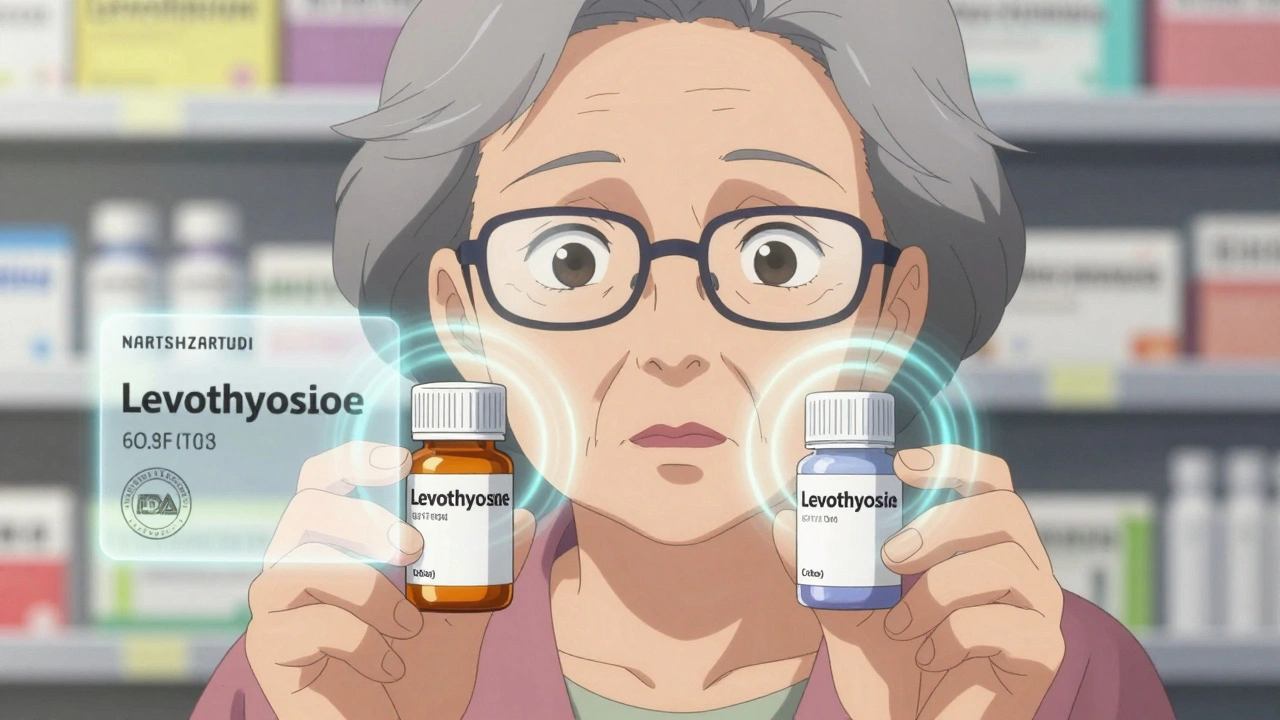
One patient, a 68-year-old woman on levothyroxine, saved $600 a year by switching to generic. But she noticed her energy dropping after a refill. She checked the pill-same color, same imprint. Then she noticed the manufacturer name changed. She called her doctor. They switched her back. Her symptoms disappeared in two weeks. She didn’t go back to the brand. She just stayed with the same generic.
Why Some Doctors Hesitate to Prescribe Generics
Some doctors still recommend brand-name drugs out of habit. Or fear. They remember the early days of generics, when quality control was patchy. But that was decades ago. Today, the FDA inspects over 1,800 generic manufacturing sites every year. The same rules apply to generics and brands. The same penalties apply for violations.
Still, some doctors avoid switching patients on NTI drugs. That’s smart. But it shouldn’t mean avoiding generics entirely. The American Heart Association says: “Generic medications can be substituted for branded drugs in most cardiovascular conditions.” Just don’t switch them back and forth.
One 2022 study in JAMA Internal Medicine found that switching from brand to generic warfarin increased INR instability by 18%. But staying on one generic? No change. The problem isn’t the generic. It’s the switch.

What Patients Are Saying
On Reddit’s r/Pharmacy, over 1,200 people shared their experiences. 78% said generics worked exactly like the brand. 15% noticed minor side effects-like a headache or stomach upset-that went away in a week or two. Only 7% said the generic didn’t work at all.
GoodRx found that 89% of people who switched to generics stayed on their meds. Only 67% of people on brand-name drugs did-because they couldn’t afford them. Cost isn’t just about the price tag. It’s about whether you can keep taking the drug. Generics save lives by making treatment affordable.
But there’s one exception: levothyroxine. On Drugs.com, 23% of patients reported inconsistent symptoms with generic versions compared to 8% with Synthroid. Why? Because thyroid hormones are ultra-sensitive. Even tiny differences in absorption can throw off metabolism. That’s why many endocrinologists still recommend staying on one brand-or one consistent generic.
What’s Changing in 2025
The FDA is cracking down on supply chain problems. In 2022, nearly 300 generic drugs had shortages because of factory issues in India and China. In 2024, the FDA launched a Generic Drug Shortage Task Force to fix this. By 2026, all new generic applications must include data showing they use continuous manufacturing-more reliable, less prone to disruption.
Biosimilars-generic versions of complex biologic drugs like Humira and Enbrel-are now hitting the market. They’re not simple pills. They’re injectables made from living cells. But they’re still held to the same standards. The first wave of biosimilars is expected to save $300 billion by 2030.
The bottom line? Generics aren’t a gamble. They’re the smart choice-for most people, most of the time. The key isn’t avoiding generics. It’s avoiding unnecessary switches. Stick with one maker. Know your drug. Ask questions. And don’t let fear cost you more than the pill itself.
Are generic drugs really as safe as brand-name drugs?
Yes, for the vast majority of medications. The FDA requires generics to have the same active ingredients, strength, dosage form, and bioequivalence as brand-name drugs. They’re held to the same manufacturing standards and inspected in the same facilities. Over 90% of prescriptions in the U.S. are filled with generics, and studies show they’re just as safe and effective for most conditions.
Can switching between different generic brands cause problems?
It can, especially for drugs with a narrow therapeutic index-like warfarin, levothyroxine, or phenytoin. Even small differences in how the body absorbs the drug can lead to side effects or reduced effectiveness. That’s why it’s best to stick with one generic manufacturer once you find one that works. Don’t let your pharmacy switch you without telling you.
Why do generic pills look different from brand-name ones?
By law, generics can’t look exactly like the brand-name version. So manufacturers change the color, shape, or imprint to avoid trademark infringement. These changes are only in inactive ingredients like dyes or fillers-they don’t affect how the drug works. But if you notice a sudden change in appearance, check the manufacturer name. It might mean you’ve been switched to a different generic.
Is it true that generic statins are less safe than brand-name ones?
Some early studies suggested a slight increase in heart events with generic statins, but newer research shows that’s likely due to switching between manufacturers-not the generic itself. A 2024 study of 2.3 million patients found no difference in heart attack risk when patients stayed on the same generic version. The risk comes from inconsistency, not the drug.
How can I check if my generic drug is FDA-approved?
Go to the FDA’s Drugs@FDA database (https://www.accessdata.fda.gov/scripts/cder/daf/). Search for your drug by name. Look for the “Application Number” starting with ANDA (Abbreviated New Drug Application). That means it’s a generic approved by the FDA. Also check the manufacturer name and compare it to your pill bottle.
Should I always choose the cheapest generic?
For most drugs, yes. But for NTI drugs like thyroid meds or blood thinners, price shouldn’t be the only factor. Stick with a manufacturer you know works for you. If two generics are priced the same, pick the one you’ve used before. Consistency matters more than pennies.
Do generics take longer to work than brand-name drugs?
No. Bioequivalence testing ensures generics reach the same level in your bloodstream at the same speed as the brand. If you feel a delay, it’s likely due to other factors-like diet, other medications, or your body’s response. It’s not the generic being slower.








Write a comment
Your email address will be restricted to us