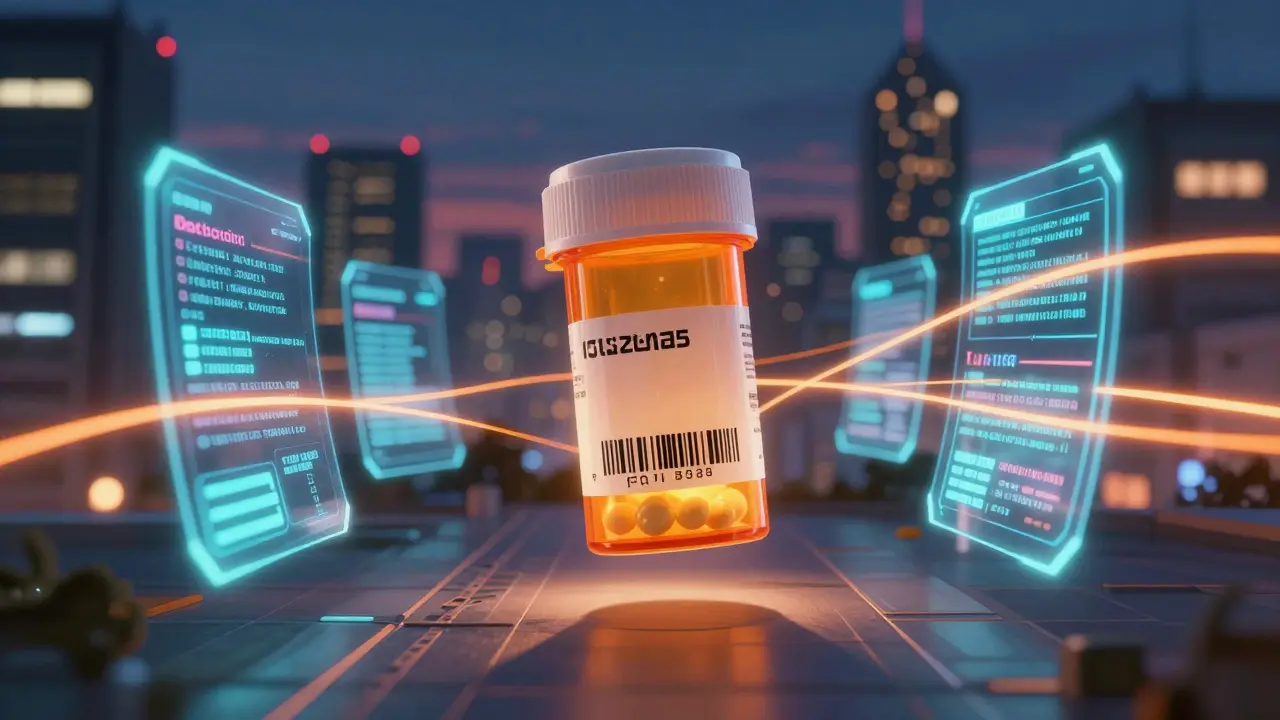
Every year, millions of prescription drugs move through a complex web of manufacturers, wholesalers, and pharmacies before reaching your hands. But what if one of those pills wasn’t made in a licensed lab? What if it was fake? Counterfeit drugs don’t just fail to work-they can kill. That’s why the U.S. government created the DSCSA track-and-trace system. It’s not a buzzword. It’s the most serious effort in American history to lock down the drug supply chain and stop fake medicines before they reach patients.
What Exactly Is the DSCSA?
The Drug Supply Chain Security Act (DSCSA) is a federal law passed in 2013 to make sure every prescription drug package in the U.S. can be tracked from the factory to the pharmacy. Before this law, there was no national standard. Some states had their own rules, others had none. That created chaos. A drug could be traced in California but not in Texas. Fake pills slipped through the cracks. The DSCSA changed that. It forced every player in the supply chain-manufacturers, repackagers, wholesalers, and pharmacies-to use electronic systems to track each drug package. No more paper logs. No more guesswork. Each package now has a unique digital fingerprint: a serial number, lot number, expiration date, and the National Drug Code (NDC), all printed in both human-readable text and a machine-scannable barcode. By November 27, 2024, every single prescription drug sold in the U.S. must be traceable at the individual package level. That means if a bad batch is found, regulators can pull just those 500 bottles-not every bottle of that drug in the country.How the Track-and-Trace System Works
Think of it like a digital passport for every pill bottle. When a manufacturer produces a drug, they print a unique serial number on each package. That number gets uploaded to a secure database. When the drug moves to a wholesaler, the wholesaler scans the barcode and logs the transaction. Same thing when it goes to a pharmacy. Each step is recorded electronically. Three key pieces of data travel with every shipment:- Transaction Information (TI): What drug it is, the lot, expiration date, and serial number.
- Transaction History (TH): Who handled it before, and when.
- Transaction Statement (TS): A digital certificate saying the transfer was legal.
Why This System Stops Counterfeit Drugs
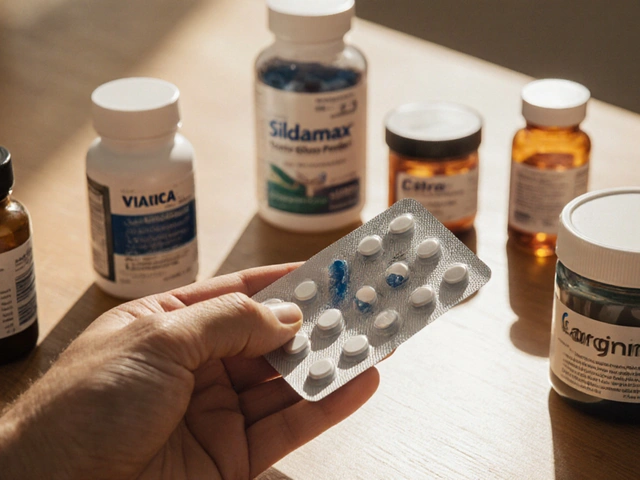
Counterfeit drugs look real. They might have the right color, shape, and branding. But inside? They could be chalk, rat poison, or the wrong dose of active ingredient. In 2019, the FDA found counterfeit versions of popular drugs like Viagra, Xanax, and insulin in the U.S. supply chain. Some were made in unregulated labs overseas. Before DSCSA, these fakes could slip in at any point-during shipping, at a warehouse, even at a small pharmacy with no scanning tech. Now? It’s nearly impossible. Here’s how the system blocks them:- Each serial number is unique and can’t be reused. You can’t print a fake barcode and hope it works.
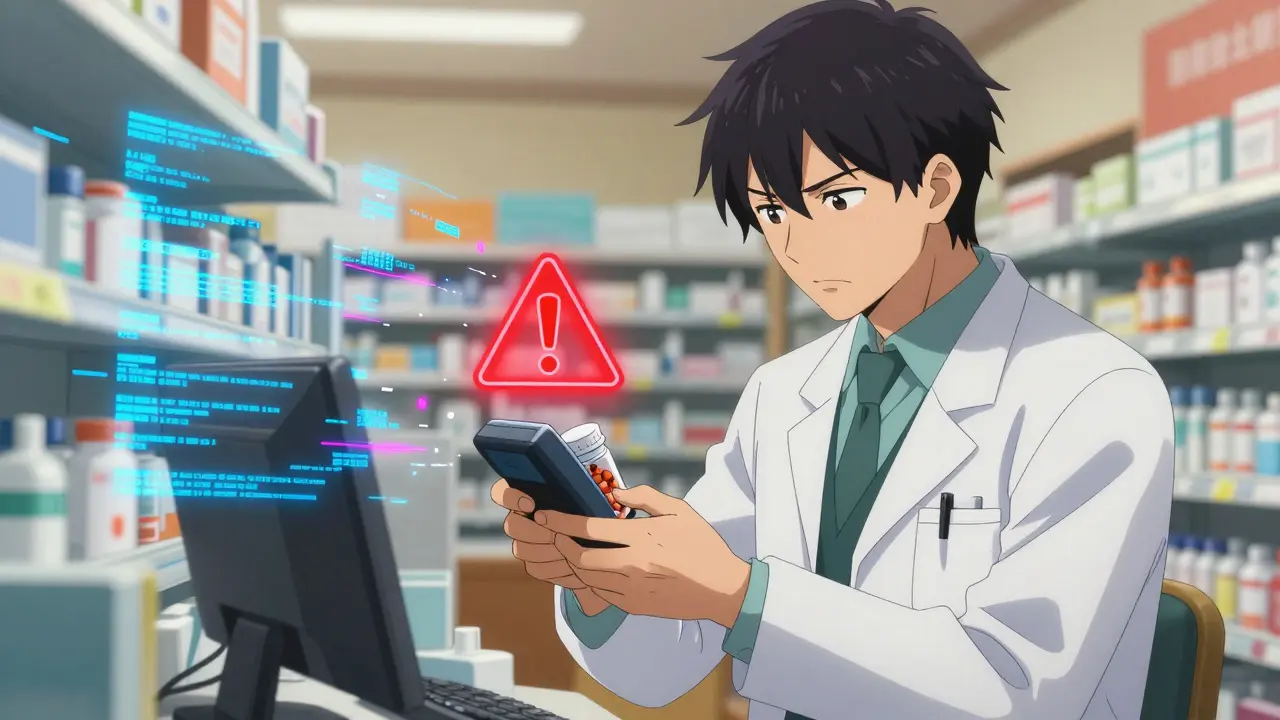
- Pharmacies must verify every incoming package electronically. If the serial number isn’t in the manufacturer’s database, the system rejects it.
- Any mismatch triggers an automatic alert. The FDA gets notified within hours.
Who’s Affected-and How Much Does It Cost?
Everyone in the drug supply chain has to comply. But the burden isn’t equal. Manufacturers and big wholesalers like McKesson and AmerisourceBergen spent millions upgrading systems. McKesson now processes over 1.2 billion serialized transactions a year with 99.98% accuracy. They had the budget. They had the tech teams. Independent pharmacies? Not so much. A 2023 survey by the National Community Pharmacists Association found that 68% of small pharmacies said DSCSA compliance was their biggest tech challenge. The average cost to upgrade? Around $185,000. That’s more than the annual salary of most pharmacists. Many had to take out loans or delay equipment upgrades just to stay compliant. Chain pharmacies like CVS and Walgreens spent over $100 million each on DSCSA tech between 2020 and 2022. They had scale. They could spread the cost. But for a one-location pharmacy in rural Kansas? That’s life-changing money. The FDA gave everyone a grace period. From November 2023 to November 2024, they’re not shutting down pharmacies for minor errors. But they’re watching. And if you’re caught shipping or dispensing a suspect product without reporting it? You’ll get a warning letter. Repeat offenses can mean fines or losing your license.What Went Wrong During Implementation?
The system works-but it didn’t roll out smoothly. The biggest problem? Data mismatches. A manufacturer sends a serial number. The wholesaler scans it. But the system says the number doesn’t exist. Why? Maybe the manufacturer entered it wrong. Maybe the barcode got smudged. Maybe the wholesaler’s software doesn’t accept the same format. A 2022 survey of 350 companies found 42% reported major data mismatches. That meant delays-sometimes 2 or 3 days-while someone called the supplier to double-check. For a pharmacy running out of insulin? That’s dangerous. Another issue? EPCIS adoption. Not everyone uses the same version. One vendor’s system might send data in XML. Another expects JSON. The FDA didn’t mandate one exact format, just that systems be able to communicate. That left room for error. And then there’s human error. A pharmacist forgets to scan a box. A warehouse worker mislabels a pallet. One mistake can break the chain. Still, the system is getting better. By Q3 2023, 85% of companies had completed system testing. That’s up from 62% just a year earlier. The learning curve is steep, but the industry is catching up.
What Happens After November 2024?
The big deadline is November 27, 2024. After that, full electronic traceability at the package level is mandatory. No more exceptions. No more paper backups. But that’s not the end. The FDA is already looking ahead. In March 2023, Commissioner Dr. Robert Califf said the agency is evaluating whether to extend DSCSA to certain over-the-counter (OTC) drugs-especially high-risk ones like insulin pens, erectile dysfunction pills, or weight-loss medications that are commonly counterfeited. PwC predicts that by 2027, DSCSA-compliant systems will save the U.S. healthcare system $2.3 billion a year. How? Fewer recalls, less drug diversion, and fewer lawsuits from patients harmed by fake drugs. The technology market is booming too. Companies like TraceLink, SAP, and Oracle now dominate a $3.2 billion track-and-trace software industry. New startups are building AI tools that predict where counterfeit drugs are likely to appear based on shipping patterns.What You Can Do as a Patient
You don’t need to understand EPCIS or serial numbers. But you can still protect yourself.- Buy from licensed pharmacies. If a website sells prescription drugs without a prescription, walk away. The FDA warns that 96% of online pharmacies are illegal.
- Check your pills. If the color, shape, or taste is different from what you’re used to, ask your pharmacist. It could be a generic version-but it could also be fake.
- Report suspicious drugs. If you think a medication is wrong, tell your pharmacist. They’re trained to flag suspect products. That report could stop a bad batch from reaching others.




Write a comment
Your email address will be restricted to us