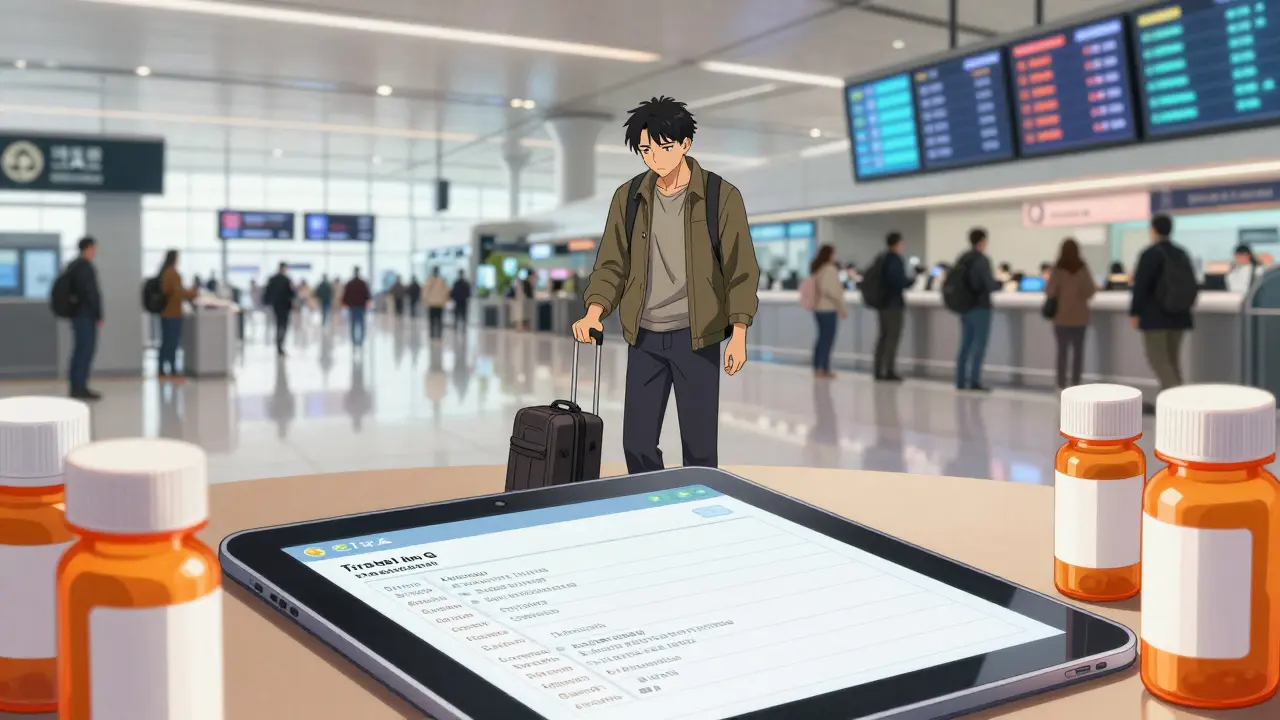
Imagine landing in a beautiful new country, heading through customs, and suddenly being detained because a common ADHD medication or a simple sleep aid in your bag is considered a controlled substance in that jurisdiction. It sounds like a nightmare, but for about 12-15% of international travelers, medication-related issues are a real part of their journey. Whether you're managing a chronic condition or just need a few essentials, getting your travel medications sorted isn't just about packing enough pills-it's about navigating a fragmented web of global laws to avoid everything from confiscated meds to actual prison time.
The Essential Pre-Travel Checklist
Planning your medication supply shouldn't be a last-minute task. Because some countries require government permits that take weeks to process, the CDC suggests starting your prep 8 to 12 weeks before you fly. If you wait until the week before, you might find yourself unable to get the necessary paperwork for a restrictive destination.
Here is the a practical workflow to ensure you're covered:
- Check the Law: Use the International Narcotics Control Board (INCB) database to see if your medication is legal in your destination.
- Contact the Embassy: Reach out to the embassy of the country you're visiting at least 60 days in advance. Don't assume a US or EU prescription is enough; some countries require a notarized letter or a specific import permit.
- Talk to Your Doctor: Ask for a detailed prescription that includes the generic name of the drug (not just the brand name) and the exact dosage. This is crucial because brand names change across borders.
- Secure Your Supply: Request enough medication for the entire trip, plus a 7-day buffer. This protects you against flight delays, lost luggage, or unexpected trip extensions.
- Pack Smart: Keep everything in the original pharmacy containers with the labels intact.
High-Risk Medication Categories
Not all drugs are treated equally by customs agents. Some categories act as "red flags" that trigger more intense scrutiny. If you are carrying any of the following, you need to be extra diligent with your documentation.
- Narcotics: Drugs like hydrocodone or oxycodone are heavily restricted globally.
- Sedatives and Sleep Aids: Medications such as alprazolam (Xanax), diazepam (Valium), or zolpidem (Ambien) can lead to serious legal trouble. For instance, there have been documented cases of travelers being detained for 72 hours in Thailand just for possessing zolpidem.
- ADHD Treatments: Amphetamines and dexamphetamine are strictly controlled. Japan, for example, has a very long list of prohibited substances that includes many common ADHD meds, and bringing them in without a special permit can lead to a permanent entry denial.
- Decongestants: Even something as simple as pseudoephedrine can be illegal in certain countries.
| Region | Restriction Level | Key Example / Note |
|---|---|---|
| Asia-Pacific | Very High | Japan has over 1,400 prohibited substances. |
| Middle East | High | UAE can impose 5-year sentences for codeine products. |
| European Union | Moderate | Standardized via the Traveler Medication Directive. |
| North America | Low | Generally flexible within the continent. |
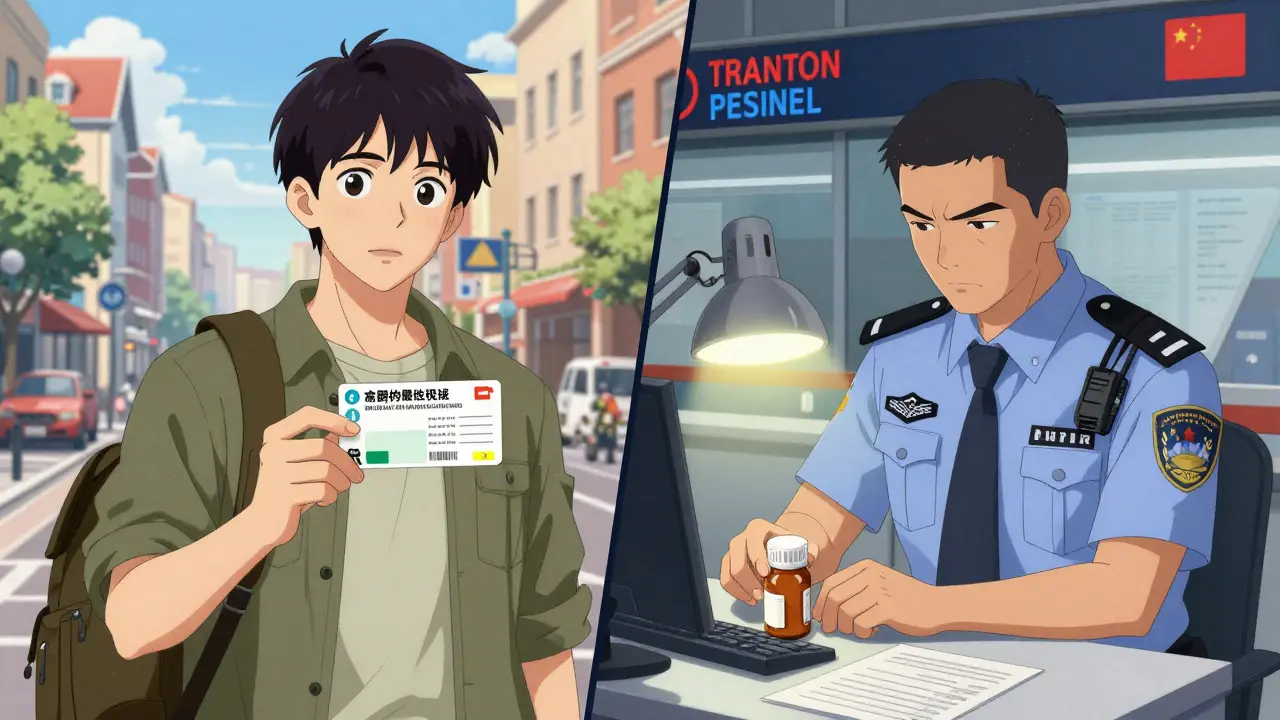
Navigating Transportation and Customs
How you carry your meds is just as important as what you carry. A common mistake is packing medications in checked luggage to save space in the carry-on. This is a risky move. If your suitcase is lost or delayed, you lose your life-sustaining treatment. Always keep your medications in your carry-on.
When it comes to liquids, you might worry about the TSA's 3.4-ounce limit. However, TSA directives allow medically necessary liquids to exceed this limit. The trick is to declare them at the security checkpoint. Be prepared for a manual inspection, and keep your prescription handy to speed up the process.
Keep in mind that customs laws can conflict even during a single journey. While the TSA might only "recommend" original labeling, some US states like New York or California legally require controlled substances to be in their original bottles. If you have a connecting flight, the strictest rule usually applies.
Dealing with Chronic Conditions and Long-Term Supplies
For those managing chronic illnesses, the stakes are higher. According to recent data, about 45% of travelers with chronic conditions face supply disruptions. The most common culprit isn't a lack of medicine at home, but a lack of enough medication to cover the trip's duration plus a safety margin.
If you need more than a 90-day supply, you enter a grey area. U.S. Customs and Border Protection (CBP) generally looks for a 90-day limit. If you need more, you must have a signed letter from your doctor explaining the medical necessity and the duration of the treatment. Without this, customs agents may view an oversized supply as an attempt to sell medication illegally.
Another pitfall is trying to mail medications to yourself once you arrive. This is often illegal and a fast way to get your package seized or, worse, trigger an investigation. It is always safer to carry your supply with you and the proper permits.
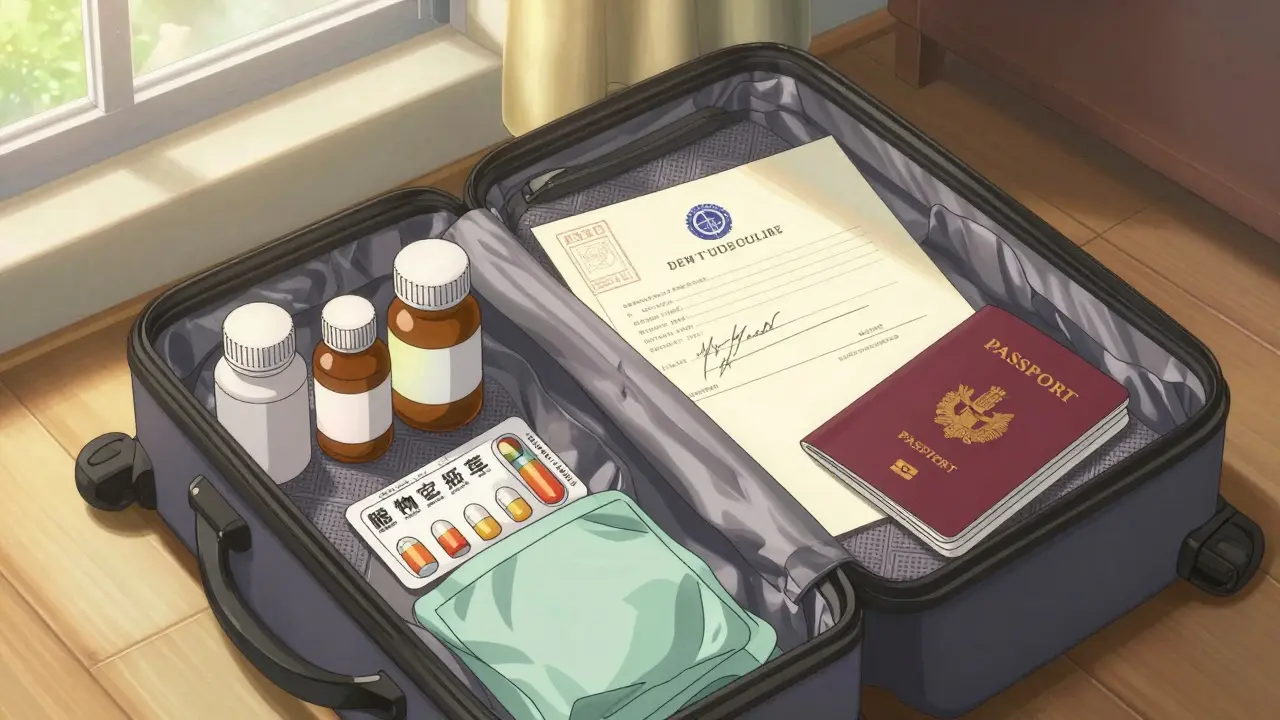
Common Pitfalls and How to Avoid Them
Many travelers rely on a "it'll be fine" mentality, but the data shows that 78% of medication-related entry denials could have been prevented with basic planning. One frequent mistake is ignoring the "transit" country. You might be flying from New York to London, but if you have a layover in a country with strict drug laws and you have to clear customs or move through a secure area, your medications are still subject to that country's laws.
Language barriers also create friction. A customs agent in Bangkok may not recognize the brand name of your blood pressure medication. This is why having the generic chemical name (the scientific name) on your paperwork is non-negotiable. It's a universal language for pharmacists and customs officials worldwide.
Can I carry my medication in a pill organizer?
While convenient, it's risky. Many countries require medications to be in their original pharmacy packaging with the prescription label attached. If you must use an organizer, carry the original bottles alongside it or a certified copy of your prescription to avoid detention or confiscation.
What happens if I run out of medication while abroad?
First, try to contact your home physician to see if they can send a digital prescription to a local pharmacy, though this is rarely accepted internationally. Your best bet is to visit a local clinic or hospital with your existing prescription and medical records. Be aware that the dosage formats may differ (e.g., 500mg in the US vs. 250mg in Europe), so always verify the dose with a local pharmacist.
Are CBD products and cannabis-derived meds allowed?
Be extremely cautious. Despite legalization in many US states, countries like South Korea and Malaysia have implemented total bans on CBD products. Carrying these can lead to severe legal penalties regardless of whether you have a medical prescription.
How do I get a permit for controlled substances?
You must contact the embassy or consulate of your destination country. You will typically need to provide a doctor's letter, a copy of your passport, and the specific drug name and quantity. Start this process at least 60 days before your departure.
Do I need a doctor's note for over-the-counter (OTC) meds?
For basic painkillers, usually not. However, some OTC meds in the US contain ingredients that are prescription-only in other countries (like certain pseudoephedrine decongestants). If you're carrying large quantities of any OTC med, it's safer to have a simple note from your doctor.
Next Steps for Your Trip
If you're traveling to Europe, the process is generally smoother thanks to recent harmonization efforts, but you should still keep your labels intact. For those heading to Asia or the Middle East, the stakes are much higher-treat your medication planning with the same importance as your passport application.
If you're feeling overwhelmed, check if your pharmacy can provide an International Certificate for Medicinal Products (ICMP). While it may cost a small fee, it provides a standardized level of documentation that is recognized by more officials globally. Once you have your meds and papers, double-check your carry-on one last time and enjoy your trip with peace of mind.







Write a comment
Your email address will be restricted to us