
When you’re pregnant or breastfeeding, every pill, supplement, or over-the-counter remedy matters more than ever. What seemed harmless before-like a daily ibuprofen for headaches or a herbal tea for sleep-could now affect your baby. Yet many people walk into their OB/GYN appointments without a clear plan, hoping to remember everything in the moment. That’s risky. And it’s unnecessary.
Why This Conversation Can’t Wait
About 90% of pregnant women take at least one medication during pregnancy, according to the CDC. That includes prescription drugs for conditions like high blood pressure or thyroid issues, over-the-counter pain relievers, and even supplements like fish oil or vitamin D. The problem isn’t that you’re taking too much-it’s that you might not know if what you’re taking is safe right now. Your OB/GYN isn’t just checking your blood pressure or listening to the baby’s heartbeat. They’re also managing a complex balancing act: keeping you healthy while protecting your baby. That’s why medication reviews aren’t optional. They’re essential. And the more prepared you are, the better the outcome.What to Bring to Your Appointment
Don’t rely on memory. Write it down. Start at least 7 days before your appointment. Create a simple list with three columns:- Medication name - Exact brand or generic name, like "Levothyroxine 75 mcg" or "Advil 200 mg"
- Dose and frequency - How much and how often? Example: "1 tablet daily" or "1-2 tablets every 6 hours as needed"
- Reason for use - Why are you taking it? "For anxiety," "for back pain," "for acne"
- Prescription drugs
- Over-the-counter medicines (even aspirin or antacids)
- Vitamins and supplements (prenatal, iron, calcium, magnesium)
- Herbal products (echinacea, ginger tea, evening primrose oil)
- Topical creams and patches (nicotine patches, pain relief gels)
- Cannabis or CBD products - yes, even if you think it’s "natural"
What Your OB/GYN Wants to Know
Your provider needs to understand your full picture. That means answering questions you might not expect:- Are you taking anything for mood, sleep, or anxiety?
- Do you use nicotine, alcohol, or recreational drugs-even occasionally?
- Have you started or stopped anything since your last visit?
- Have you noticed side effects like dizziness, nausea, or unusual fatigue?
- Are you using any products for vaginal health, like probiotics or washes?

Medication Safety Categories Explained Simply
You’ll hear terms like "Category B" or "Category D" during your visit. Here’s what they mean in plain language:| Category | Meaning | Common Examples |
|---|---|---|
| A | Proven safe in human studies | Folic acid, levothyroxine |
| B | No evidence of harm in humans; animal studies show no risk | Prenatal vitamins, acetaminophen, amoxicillin |
| C | Risk can’t be ruled out. Use only if benefits outweigh risks | Some antidepressants, ibuprofen (after 20 weeks) |
| D | Positive evidence of risk, but may still be used if needed | Lithium, certain seizure meds |
| X | Clear risk of birth defects. Avoid completely | Accutane, thalidomide |
Top 7 Questions to Ask Your OB/GYN
Don’t leave without answers. Bring these questions with you:- "Is this medication safe for me right now, given that I’m pregnant/breastfeeding?"
- "Are there safer alternatives I could try instead?"
- "Should I stop taking this before I get pregnant, or can I keep going?"
- "What happens if I miss a dose? Is it dangerous?"
- "Could this interact with any other medication I’m taking?"
- "Do I need to change my dosage now that I’m pregnant?"
- "Is there a pregnancy-safe version of this drug?"
What to Do If You’re Breastfeeding
Many people assume breastfeeding is safer than pregnancy when it comes to meds-but that’s not always true. Drugs pass into breast milk, and babies are tiny. Their livers can’t process chemicals the way adults can. Some medications are safe: acetaminophen, ibuprofen, most antibiotics, and SSRIs like sertraline. Others aren’t: codeine (can cause breathing problems in babies), pseudoephedrine (can reduce milk supply), and certain migraine meds. Ask: "Will this affect my milk supply?" and "Could this make my baby sleepy, fussy, or have trouble feeding?"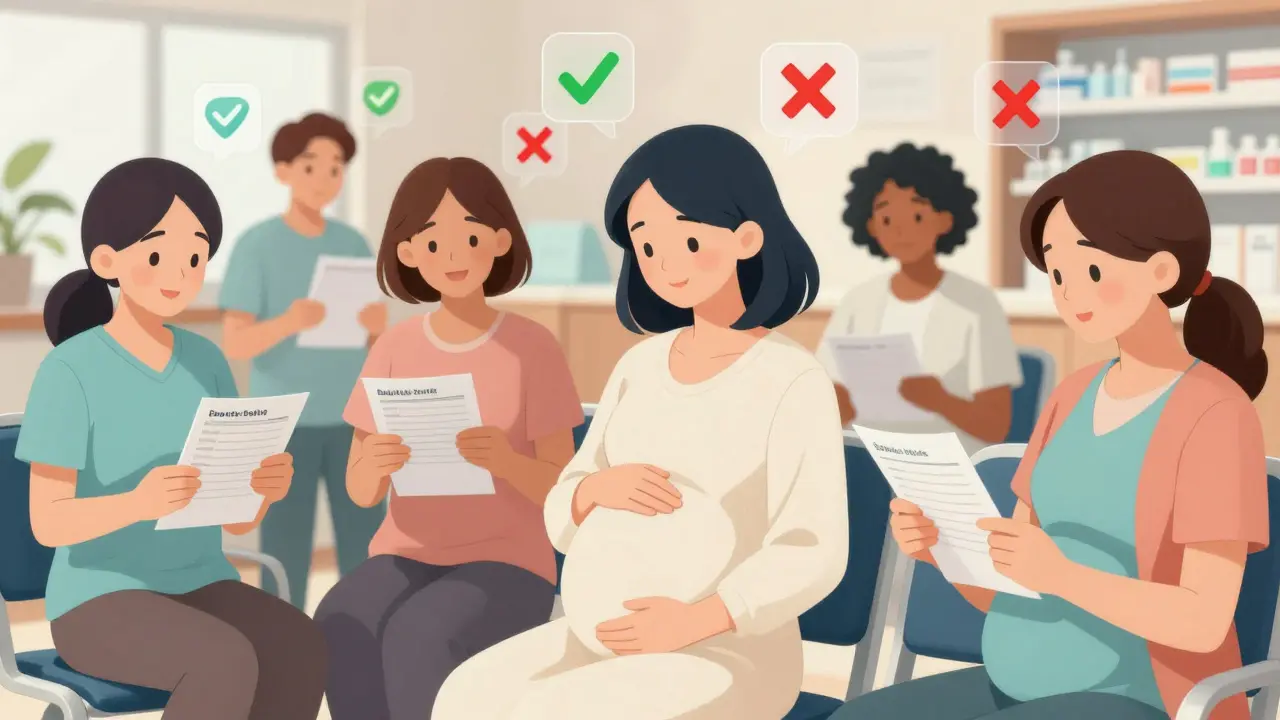
Common Mistakes to Avoid
- Assuming "natural" means safe. Herbal teas, essential oils, and supplements aren’t regulated like drugs. Some can be dangerous.
- Waiting until you’re pregnant to review meds. If you’re planning pregnancy, start this conversation 3-6 months ahead. Folic acid, for example, should start at least one month before conception to prevent neural tube defects.
- Forgetting to mention OTCs. People often leave out painkillers, antihistamines, or laxatives. But these matter.
- Not asking about insurance. If your OB/GYN suggests a new medication, check if your plan covers it. Some require prior authorization.
What Happens After the Appointment
You’ll likely get one of three outcomes:- Keep going. Your meds are safe. No changes needed.
- Switch. You’ll get a safer alternative-like swapping ibuprofen for acetaminophen.
- Stop. The medication is risky. You’ll be given a plan to taper off safely, often with follow-up monitoring.
Why This Matters More Than Ever
More women are entering pregnancy with chronic conditions like diabetes, high blood pressure, or depression. In 2010, 44% of pregnant women had one or more chronic conditions. By 2025, that number is expected to hit 58%. That means more medications. More complexity. More risk. The good news? When patients come prepared, OB/GYN visits become more efficient. One clinic found that patients who brought a written list saved 15-20 minutes per appointment and had 40% more meaningful discussion time. This isn’t about being perfect. It’s about being informed. You’re not just taking care of yourself-you’re protecting the life growing inside you. And that’s worth the extra effort.Can I keep taking my antidepressants during pregnancy?
Some antidepressants are considered safe during pregnancy, particularly SSRIs like sertraline and citalopram (Category C). These are often preferred because they have the most data supporting their use. Others, like paroxetine, are linked to a slightly higher risk of heart defects and are usually avoided. Never stop abruptly-this can cause withdrawal symptoms or worsen depression. Always work with your OB/GYN and a mental health provider to adjust your treatment plan safely.
Is it safe to take ibuprofen while pregnant?
Ibuprofen is generally safe in early pregnancy but should be avoided after 20 weeks. After that point, it can reduce amniotic fluid levels and affect the baby’s kidney development. Acetaminophen (Tylenol) is the preferred pain reliever during pregnancy. If you’ve taken ibuprofen occasionally before 20 weeks, it’s unlikely to cause harm-but stop using it unless your OB/GYN says otherwise.
What about CBD oil or medical marijuana?
There’s not enough research to say CBD or marijuana is safe during pregnancy or breastfeeding. THC crosses the placenta and enters breast milk. Studies link prenatal cannabis exposure to lower birth weight and potential developmental delays. Even if it helps with nausea or anxiety, the risks aren’t fully understood. Most OB/GYNs recommend avoiding it entirely. If you’re using it for a medical condition, talk to your provider about alternatives.
Do I need to stop my birth control before trying to conceive?
Yes, but timing matters. Most hormonal birth control methods stop working within days to weeks after you stop taking them. You can get pregnant right away after stopping the pill, patch, or ring. Some providers recommend waiting one full cycle to help with accurate due date calculations, but it’s not medically required. If you’re on an IUD or implant, it must be removed before trying to conceive.
Are prenatal vitamins enough, or do I need extra supplements?
Prenatal vitamins cover the basics: folic acid, iron, calcium, and DHA. But some women need more. If you’re vegan, you may need B12 or iron supplements. If you have low vitamin D levels, your OB/GYN might prescribe a higher dose. Don’t take extra supplements without checking-too much vitamin A, for example, can be harmful. Always tell your provider what else you’re taking.
Can I take allergy meds while pregnant?
Many are safe. Loratadine (Claritin) and cetirizine (Zyrtec) are Category B and commonly recommended. Avoid decongestants like pseudoephedrine in the first trimester. Nasal sprays like saline or fluticasone are also safe. If your allergies are severe, your OB/GYN may refer you to an allergist for a tailored plan. Don’t ignore allergies-uncontrolled symptoms can affect your sleep and oxygen levels, which impacts your baby too.
What if my OB/GYN says my medication is unsafe but my regular doctor says it’s fine?
This happens often. Your OB/GYN specializes in reproductive health and understands how medications affect pregnancy and breastfeeding. Your primary doctor may not be aware of those specific risks. Ask your OB/GYN to coordinate with your other providers. Many clinics now use electronic health records that allow specialists to share notes. You deserve care that’s aligned-not conflicting.
How do I know if a supplement is safe?
There’s no official safety list for supplements during pregnancy. If it’s not a prenatal vitamin, check with your OB/GYN before taking it. Avoid anything with unproven claims like "detox," "hormone balancing," or "fertility boost." Stick to well-studied ones like folic acid, iron (if prescribed), and omega-3s. If you’re unsure, bring the bottle to your appointment. Your provider can look up the ingredients.
Preparing for your OB/GYN appointment isn’t about being perfect. It’s about being proactive. Bring your list. Ask your questions. Speak up. You’re not just a patient-you’re the most important person in your care team.






Write a comment
Your email address will be restricted to us