
Every year, millions of people reach for a pain reliever without thinking twice. Maybe it’s a headache after a long day, a sore knee from walking too much, or back pain from lifting groceries. But when you’re standing in the pharmacy aisle, staring at bottles labeled NSAIDs and acetaminophen, how do you pick the right one? It’s not just about what works fastest-it’s about what’s safest for your body, and what kind of pain you’re actually dealing with.
What’s the real difference between NSAIDs and acetaminophen?
At first glance, they both reduce pain and fever. But that’s where the similarity ends. NSAIDs-like ibuprofen (Advil, Motrin IB) and naproxen (Aleve)-work by blocking enzymes called COX-1 and COX-2 throughout your body. These enzymes produce prostaglandins, chemicals that cause inflammation, swelling, and pain. By stopping them, NSAIDs don’t just numb the pain-they actually reduce the swelling that’s causing it.
Acetaminophen (Tylenol) doesn’t do that. It’s believed to work mainly in the brain and spinal cord, lowering your pain threshold and reducing fever, but it doesn’t touch inflammation at all. That’s why if you have a swollen ankle from a sprain, ibuprofen will likely help more. But if you have a simple headache or a fever from a cold, acetaminophen works just as well-and without the stomach upset that often comes with NSAIDs.
When should you choose NSAIDs?
NSAIDs are your go-to for pain tied to inflammation. That includes:
- Arthritis pain in knees, hips, or hands
- Muscle strains or sprains
- Back or neck pain from irritated tissues
- Menstrual cramps
- Tendonitis or bursitis
Studies from the Hospital for Special Surgery show NSAIDs are significantly more effective than acetaminophen for osteoarthritis pain. If you’ve ever tried Tylenol for a swollen joint and felt like it barely touched the pain, that’s why. NSAIDs target the root cause-the inflammation-not just the signal.
But there’s a cost. Long-term or high-dose NSAID use increases your risk of stomach ulcers, kidney damage, and heart problems. The Mayo Clinic reports that regular users face a 10-20% chance of stomach irritation. And if you’re over 65, have high blood pressure, or take blood thinners, NSAIDs can be dangerous without medical supervision.
When is acetaminophen the better choice?
Acetaminophen shines when inflammation isn’t the issue. It’s ideal for:
- Headaches
- Fever from colds or flu
- Toothaches without swelling
- Mild post-surgical pain
- Pain in people with stomach sensitivities
It’s also the safer pick if you’re on blood thinners like warfarin. Unlike NSAIDs, acetaminophen doesn’t interfere with platelets, so it won’t increase bleeding risk. That’s why doctors often recommend it for patients with heart conditions or those recovering from surgery.
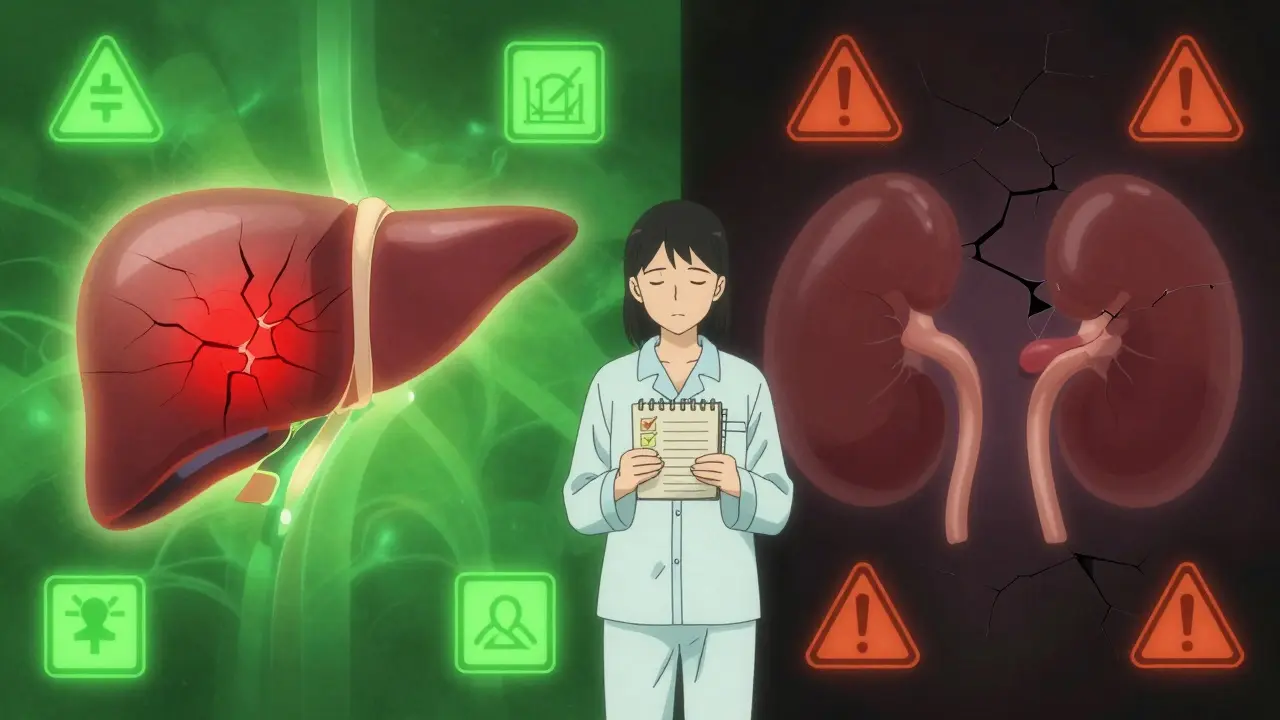
But here’s the catch: acetaminophen is easy on your stomach, but hard on your liver. The maximum daily dose is 4,000 milligrams-but experts now recommend staying under 3,000 mg to be safe. That’s only six extra-strength tablets. Many people don’t realize that cold medicines, sleep aids, and even some prescription painkillers (like Vicodin) contain acetaminophen. Taking more than one product can easily push you over the limit.
The FDA says acetaminophen overdose causes 56,000 emergency room visits and 425 deaths every year in the U.S. alone. Most of those are accidental-someone takes Tylenol for a headache, then takes a cold medicine later, and doesn’t realize they’ve doubled their dose.
Can you take them together?
Yes-and sometimes, you should.
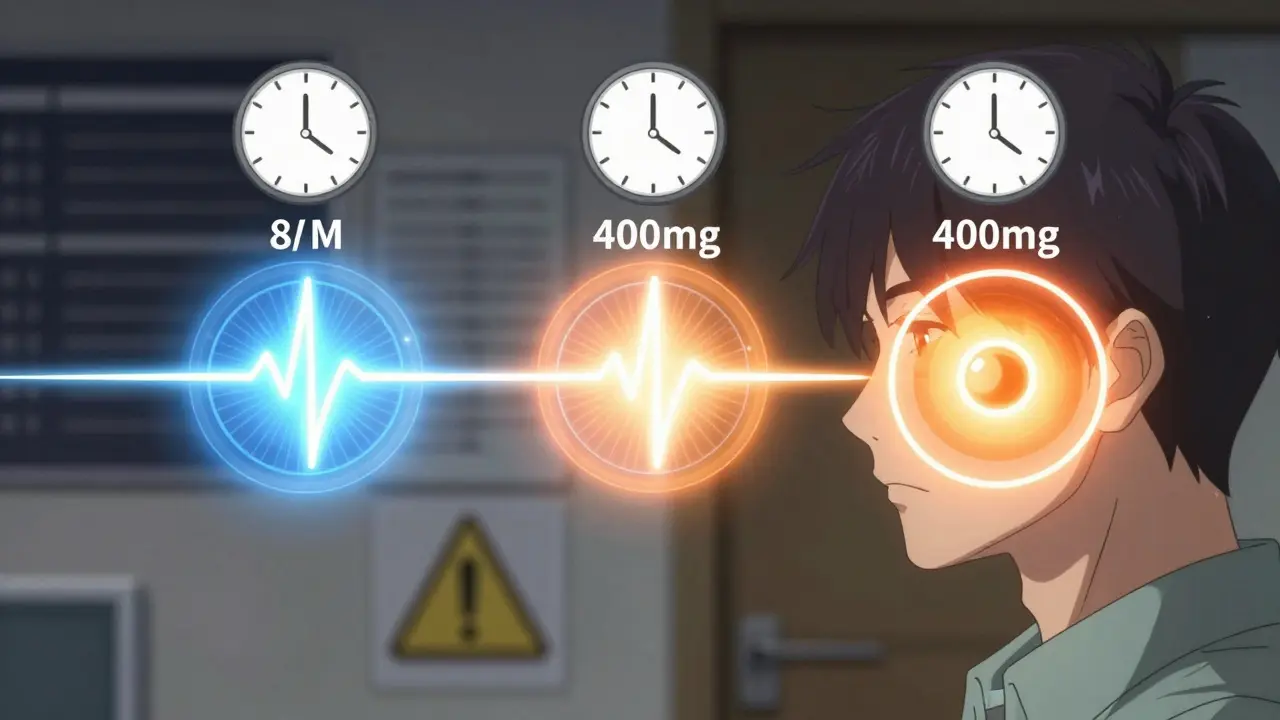
Research from Harvard Health and the Hospital for Special Surgery shows that combining acetaminophen with an NSAID can give you better pain relief than either one alone, while letting you use lower doses of each. That means fewer side effects. For example, instead of taking 800 mg of ibuprofen (the max OTC dose), you could take 400 mg of ibuprofen plus 650 mg of acetaminophen. Many people find this combo works better for chronic back pain or arthritis.
Doctors often recommend alternating them: take acetaminophen at 8 a.m. and 8 p.m., and ibuprofen at 2 p.m. and 10 p.m. This keeps pain under control without overloading your liver or stomach. It’s a smart strategy for long-term pain management.
What about safety for older adults or people with health conditions?
If you’re over 65, have kidney disease, high blood pressure, heart failure, or a history of ulcers, NSAIDs can be risky. Even short-term use can spike blood pressure or cause fluid retention. Acetaminophen is usually the safer starting point-but only if you don’t drink alcohol regularly or have liver disease.
People with asthma should be cautious with NSAIDs. About 10% of asthma sufferers have reactions to them, including wheezing or breathing trouble. Acetaminophen doesn’t carry that risk.
And if you’re pregnant? Acetaminophen is generally considered safe in moderation during pregnancy. NSAIDs, especially after 20 weeks, can affect fetal kidney development and reduce amniotic fluid. Always check with your doctor before taking anything during pregnancy.
What about aspirin?
Aspirin is also an NSAID, but it’s different. It’s the only one that permanently blocks platelets, which is why low-dose aspirin is used to prevent heart attacks. But that also means it increases bleeding risk. If you’re taking aspirin daily for heart health, don’t take ibuprofen or naproxen regularly-they can interfere with aspirin’s protective effect. Acetaminophen doesn’t interfere, so it’s the preferred pain reliever for people on daily aspirin therapy.
How to use them safely
Here’s how to avoid the most common mistakes:
- Read every label. Check for acetaminophen in cold and flu medicines.
- Never exceed 3,000 mg of acetaminophen per day unless your doctor says otherwise.
- Don’t take NSAIDs on an empty stomach. Always take them with food or milk.
- Limit NSAID use to 10 days for pain, 3 days for fever. If it’s not helping, see a doctor.
- Don’t mix alcohol with either. Alcohol increases liver damage risk with acetaminophen and stomach bleeding risk with NSAIDs.
- Keep a pain journal. Note what you took, when, and how well it worked. This helps your doctor adjust your plan.
Bottom line: It’s not one-size-fits-all
There’s no single ‘best’ pain reliever. The right choice depends on your pain type, your health history, and what you’re already taking. If your pain comes with swelling, go with an NSAID. If it’s just aching or febrile, acetaminophen is simpler and safer. And if you’re not sure? Start with the lowest dose of either, and talk to your doctor before using either daily.
Most importantly-don’t assume OTC means harmless. These are powerful drugs with real risks. Use them like tools, not habits. Your body will thank you.
Can I take ibuprofen and Tylenol at the same time?
Yes, you can take ibuprofen and acetaminophen together if needed. Many people find this combination works better than either alone. Just make sure you don’t exceed the daily limits: no more than 3,000 mg of acetaminophen and 1,200 mg of ibuprofen in 24 hours. Taking them at different times-like Tylenol in the morning and ibuprofen in the afternoon-can help manage pain without overloading your organs.
Which is better for back pain: NSAIDs or acetaminophen?
For most cases of back pain caused by muscle strain or inflammation, NSAIDs like ibuprofen are more effective. Back pain often comes from irritated tissues or swollen joints, and NSAIDs reduce that swelling. Acetaminophen may help with the discomfort, but it won’t address the root cause. If you’ve tried Tylenol and it didn’t help, switching to an NSAID could make a noticeable difference.
Is acetaminophen safe for people with high blood pressure?
Yes, acetaminophen is generally considered safe for people with high blood pressure. Unlike NSAIDs, it doesn’t raise blood pressure or interfere with blood pressure medications. That’s why it’s often the first recommendation for hypertensive patients needing pain relief. But always check with your doctor if you’re taking multiple medications or have liver issues.
Can NSAIDs cause kidney damage?
Yes, long-term or high-dose NSAID use can reduce blood flow to the kidneys and lead to kidney damage, especially in older adults or those with existing kidney disease. This risk increases if you’re dehydrated, take diuretics, or have heart failure. Acetaminophen doesn’t affect kidney function the same way, making it the safer choice for people with kidney concerns.
Why does my doctor say not to take NSAIDs if I have heart problems?
NSAIDs increase the risk of heart attack and stroke, especially with long-term use or in people who already have heart disease. This risk was confirmed by the FDA after the withdrawal of Vioxx in 2004. Even over-the-counter NSAIDs carry this warning. If you have heart disease, atrial fibrillation, or a history of stroke, acetaminophen is the preferred pain reliever. Always talk to your doctor before using NSAIDs if you have cardiovascular risk factors.








Write a comment
Your email address will be restricted to us