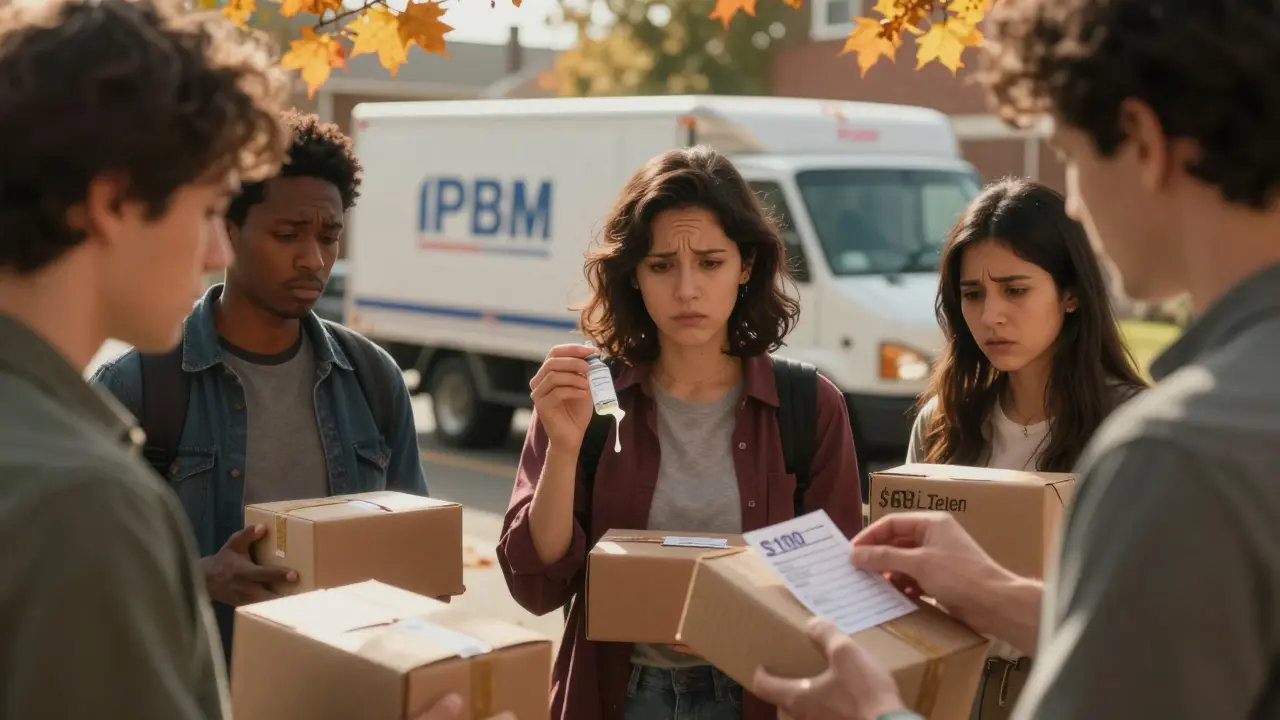
More people in the U.S. are getting their prescriptions delivered to their door than ever before. In 2023, mail-order pharmacies handled over $206 billion in sales - more than double what they did in 2013. But here’s the catch: prescription volume only went up by 11% during that same time. So why did revenue skyrocket? The answer isn’t just more people using the service. It’s about how much some companies are charging.
Why Mail-Order Generics Are Popular
Mail-order generics aren’t new, but they’ve become a default choice for millions, especially those managing chronic conditions like high blood pressure, diabetes, or depression. The big draw? Convenience and cost. Most insurance plans offer a 90-day supply through mail-order for the same price - or even less - than a 30-day refill at your local pharmacy. For example, a monthly blood pressure pill that costs $45 at the counter might drop to $10 with a mail-order plan. That’s $45 saved every month, or over $500 a year.For people who take multiple medications, automatic refills and home delivery remove one more thing to remember. No more rushing to the pharmacy after work. No more forgetting to call in a refill. Studies from the National Institutes of Health show that people who use mail-order services are more likely to stick with their meds long-term. That’s huge for conditions like heart disease, where missing doses can lead to hospitalizations or worse.
The Hidden Price Tags
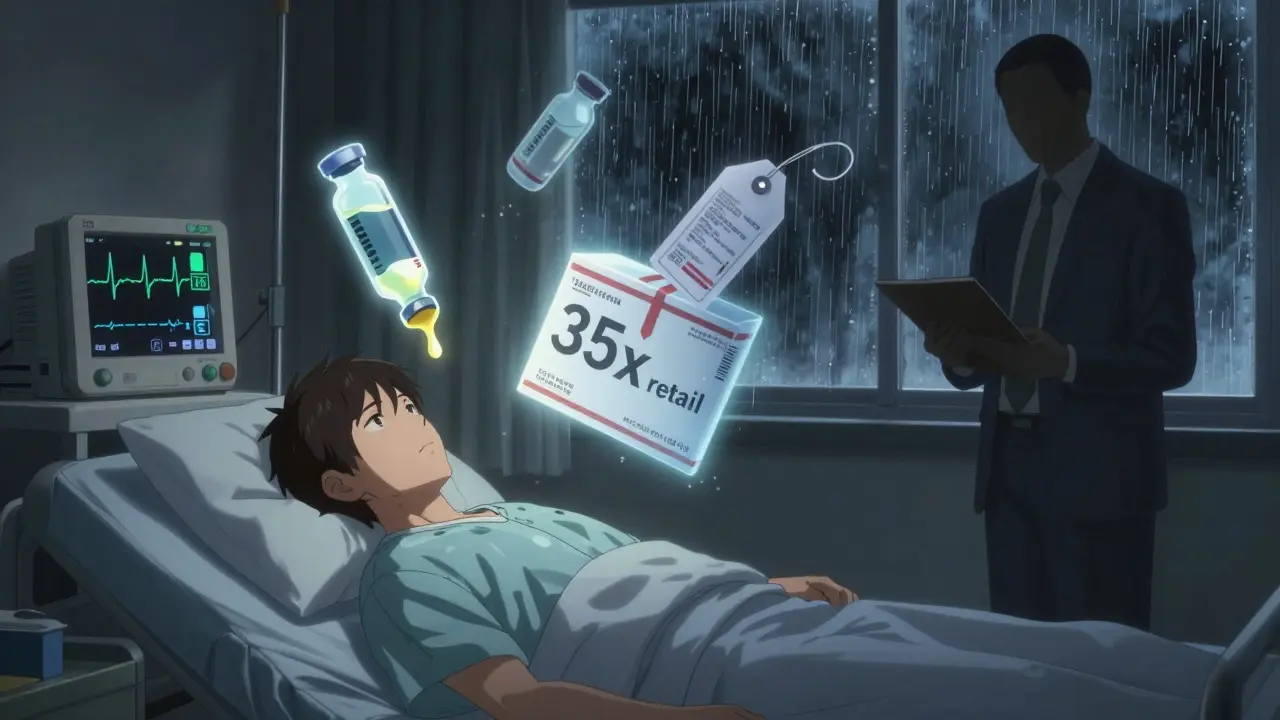
But not all savings are what they seem. While some generics are genuinely cheaper, others are marked up wildly. A 2023 investigation found that a generic antidepressant selling for $12 at a retail pharmacy was billed at $100 through a mail-order service - an 800% markup. Brand-name drugs? Sometimes they’re priced 35 times higher than retail. The problem? These prices often come from pharmacy benefit managers (PBMs) - middlemen that control which drugs insurers cover and at what cost. They’re not required to disclose how they set prices, so patients rarely know they’re being overcharged until they get the bill.Even worse, these inflated prices don’t always help patients. If you’re uninsured, a mail-order prescription for a new weight-loss drug like semaglutide can cost $500 a month - a price that’s completely out of reach for many. Meanwhile, the same drug might be available for under $30 at a discount pharmacy like Walmart or Costco. The system favors those with insurance, but leaves others behind.
Temperature Risks: When Your Medicine Melts
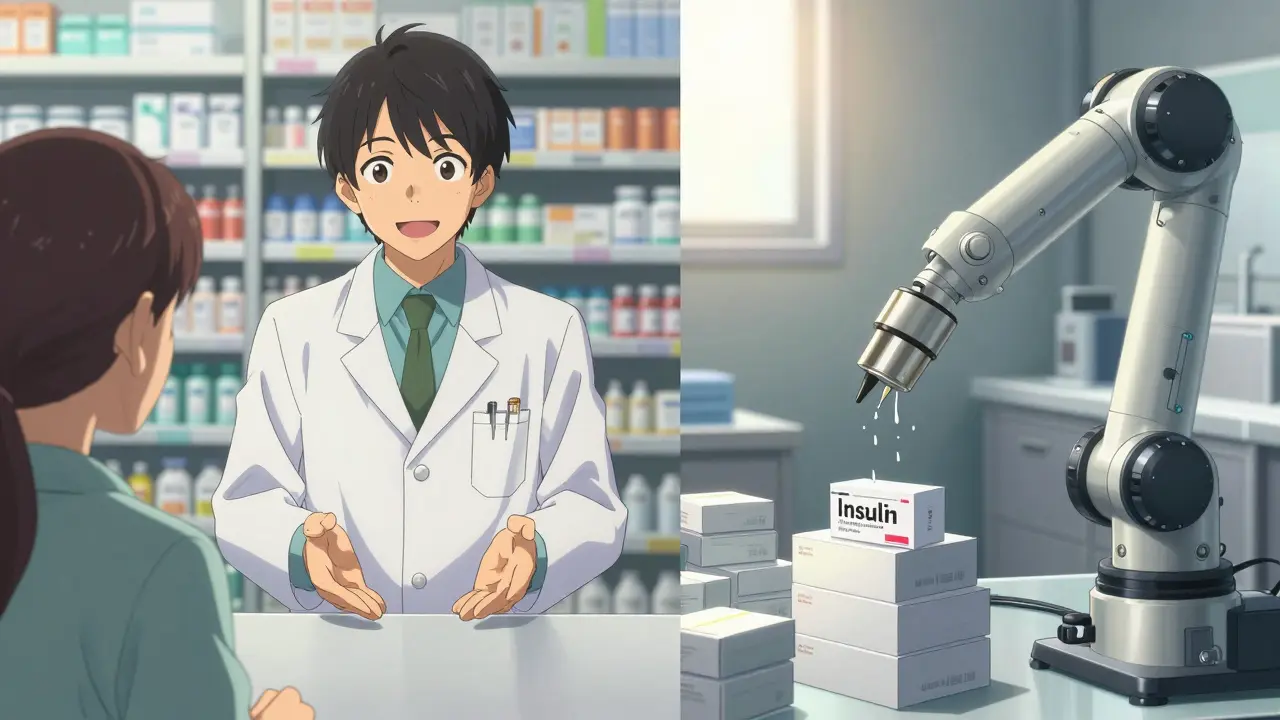
Medications aren’t just pills. They’re chemicals. And many of them need to stay within a narrow temperature range - between 68°F and 77°F - to stay effective. Insulin, thyroid meds, and some antibiotics can break down if they get too hot or too cold. A study from the Journal of the American Pharmacists Association found that only one-third of mail-order shipments kept meds within safe temperatures. That means two out of every three packages could be delivering weakened or useless drugs.There are real stories behind these numbers. Reddit users have posted about insulin arriving melted after sitting in a hot mailbox for hours. One person in Arizona described their diabetes meds turning into a sticky liquid after a summer delivery. The FDA has logged over 1,200 reports of temperature-related failures between 2020 and 2023 - and experts believe that’s just the tip of the iceberg. Most people don’t report it. They just notice their meds aren’t working and assume they’re getting worse.
Lost, Delayed, or Never Arrived
Another common complaint? Delivery failures. Trustpilot reviews show that 17% of negative experiences with mail-order pharmacies involve lost, damaged, or delayed packages. For someone taking blood thinners or seizure meds, even a few days without their prescription can be dangerous. One patient in Ohio missed her daily anticoagulant for five days because the package got stuck in transit. She ended up in the ER with a blood clot.Experts recommend ordering your refill at least two weeks before you run out. That’s not just good advice - it’s a safety net. But not everyone knows that. Many assume their medication will arrive on time, like an Amazon package. It doesn’t work that way. Mail-order pharmacies aren’t built for speed. They’re built for volume. And if your meds don’t arrive when you need them, there’s often no one to call who can fix it fast.
Pharmacists Aren’t There to Talk
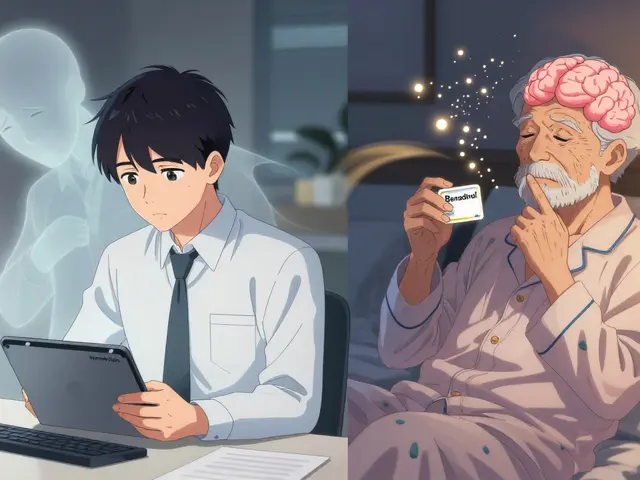
At your local pharmacy, the pharmacist might ask, “Are you taking anything else?” or “Have you noticed any new side effects?” That personal check-in matters. A Consumer Reports survey found that 68% of users worry about missing that face-to-face interaction. When you get your meds by mail, you don’t get those warnings. No one asks if you’ve started a new supplement. No one notices that your new generic looks different and might be causing confusion.And that’s a real problem. Generic drugs are required by the FDA to work the same as brand-name versions. But they can look totally different - different color, shape, size, even taste. One study found that patients switching between multiple generic versions of the same drug - say, topiramate for epilepsy - were more likely to be hospitalized. Why? Because they got confused. They thought the new pill was something else. Or they stopped taking it because it didn’t “feel” right. That’s not a flaw in the medicine. It’s a flaw in how we deliver it.
When Mail-Order Doesn’t Work
Mail-order is great for long-term meds. Not so great for short-term ones. If you need an antibiotic for a sinus infection, or an inhaler for a sudden asthma attack, waiting a week for delivery isn’t an option. Mail-order pharmacies often don’t stock these types of meds at all. And if they do, they won’t ship them overnight. That means you still need a local pharmacy for emergencies.Another issue? Not all drugs are available. Some rare generics, especially those made by small manufacturers, aren’t carried by big mail-order companies. If your doctor prescribes one of these, you’ll have to go back to the store. That adds complexity. Now you’re juggling two pharmacies, two sets of refills, two systems. And if one pharmacy doesn’t know what the other is filling, drug interactions can slip through the cracks.
Who Controls This System?
Three companies - Express Scripts, CVS Caremark, and OptumRx - handle nearly 80% of all mail-order prescriptions in the U.S. They’re not pharmacies. They’re pharmacy benefit managers. They negotiate prices with drugmakers, decide which drugs are covered, and manage the delivery networks. Their goal? Reduce costs for insurers. But that doesn’t always mean lower costs for patients.These companies have deep ties to insurance providers. Some are owned by big health insurers. That creates a conflict. They might push you toward a mail-order option that saves the insurer money - even if it’s not the best choice for you. And because they control the network, you often can’t choose another pharmacy without paying more.
What You Can Do
If you’re using or considering mail-order generics, here’s what to watch for:- Check your copay. Compare the price at your local pharmacy versus your mail-order plan. Use GoodRx or SingleCare to see real-time prices.
- Order early. Set a reminder to refill at least two weeks before you run out.
- Ask about temperature control. If you take insulin or other sensitive meds, ask if the pharmacy uses cold packs and insulated packaging. If they don’t, switch.
- Keep a list. Track every medication you take - including doses and refills - and share it with your doctor and pharmacist.
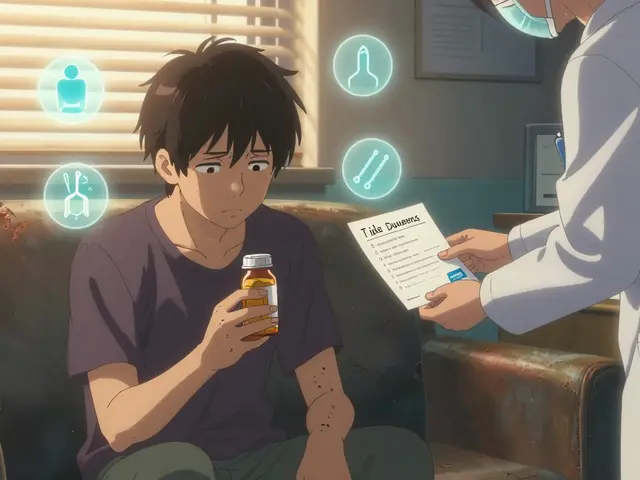
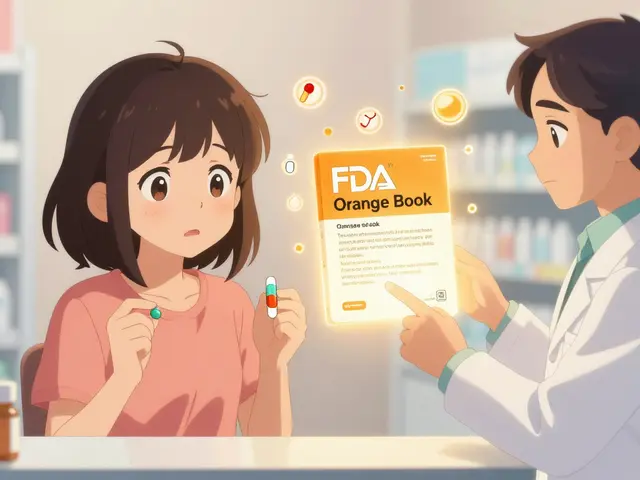
- Don’t assume generics are the same. If your pill looks different, ask your pharmacist if it’s still the same drug. Don’t guess.
- Know your rights. If your meds arrive damaged or don’t work, report it to the pharmacy and to the FDA’s MedWatch program.
Mail-order generics can save money and improve adherence - but only if you’re informed. They’re not magic. They’re a system. And like any system, they have flaws. The key is knowing how to use them safely.
Are mail-order generics as effective as brand-name drugs?
Yes. The FDA requires generic drugs to have the same active ingredients, strength, dosage form, and effectiveness as brand-name versions. They’re tested to ensure they work the same way in the body. The only differences are in color, shape, or inactive ingredients - none of which affect how well the drug works. Many doctors and pharmacists prefer generics because they’re just as safe and much cheaper.
Can mail-order pharmacies deliver insulin safely?
Some can, but many don’t. Insulin is sensitive to heat and must stay between 36°F and 46°F during shipping. Only a few mail-order pharmacies use proper cold-chain packaging with gel packs and insulated boxes. If your insulin arrives warm or melted, it’s no longer effective. Always ask your pharmacy if they use temperature-controlled shipping for insulin. If they don’t, find one that does - or pick it up locally.
Why do some mail-order prescriptions cost more than retail?
Because of how pharmacy benefit managers (PBMs) set prices. PBMs negotiate bulk deals with drugmakers and pharmacies, but they don’t always pass savings to patients. Some PBMs mark up prices on generics to increase profits, especially for drugs with little competition. If your mail-order price is higher than what you’d pay at Walmart or Costco, you’re likely being overcharged. Always compare prices before agreeing to a mail-order refill.
What should I do if my medication arrives damaged?
Take a photo of the damaged package and medication. Contact the pharmacy immediately to request a replacement. If they don’t respond or refuse, file a report with the FDA’s MedWatch program. Also, notify your doctor - especially if you’re taking a critical medication like insulin, blood thinners, or seizure drugs. Never take medication that looks or smells off.
Is it safe to use different pharmacies for different medications?
It’s risky. If you use one pharmacy for your blood pressure meds and another for your diabetes pills, neither pharmacist has the full picture of what you’re taking. That increases the chance of dangerous drug interactions. Try to use one pharmacy for all your prescriptions - even if it costs a little more. If you must split them, keep a printed list of all your meds and share it with each pharmacist.
How do I know if my mail-order pharmacy is reputable?
Look for accreditation from the National Association of Boards of Pharmacy (NABP). Pharmacies with the VIPPS seal (Verified Internet Pharmacy Practice Sites) meet strict safety and licensing standards. Avoid pharmacies that don’t require a prescription or offer drugs at prices that seem too good to be true. If it’s not on the NABP list, it’s not safe.
What’s Next for Mail-Order Pharmacies?
The trend isn’t slowing down. By 2027, nearly half of all chronic medication prescriptions in the U.S. could be filled through mail-order. That’s good for convenience, but dangerous if safety standards don’t catch up. Right now, there’s no federal law requiring temperature monitoring during shipping. No rules forcing transparency in pricing. No requirement that patients get pharmacist consultations.A bill called the Pharmacy Delivery Safety Act, introduced in 2023, aims to change that. It would require temperature tracking, clearer labeling, and better communication with patients. But it’s still in committee. Until then, the responsibility falls on you.
Mail-order generics can work - if you’re smart about it. Know the risks. Ask questions. Compare prices. Don’t just accept what your insurance says. Your health is worth the effort.



Write a comment
Your email address will be restricted to us