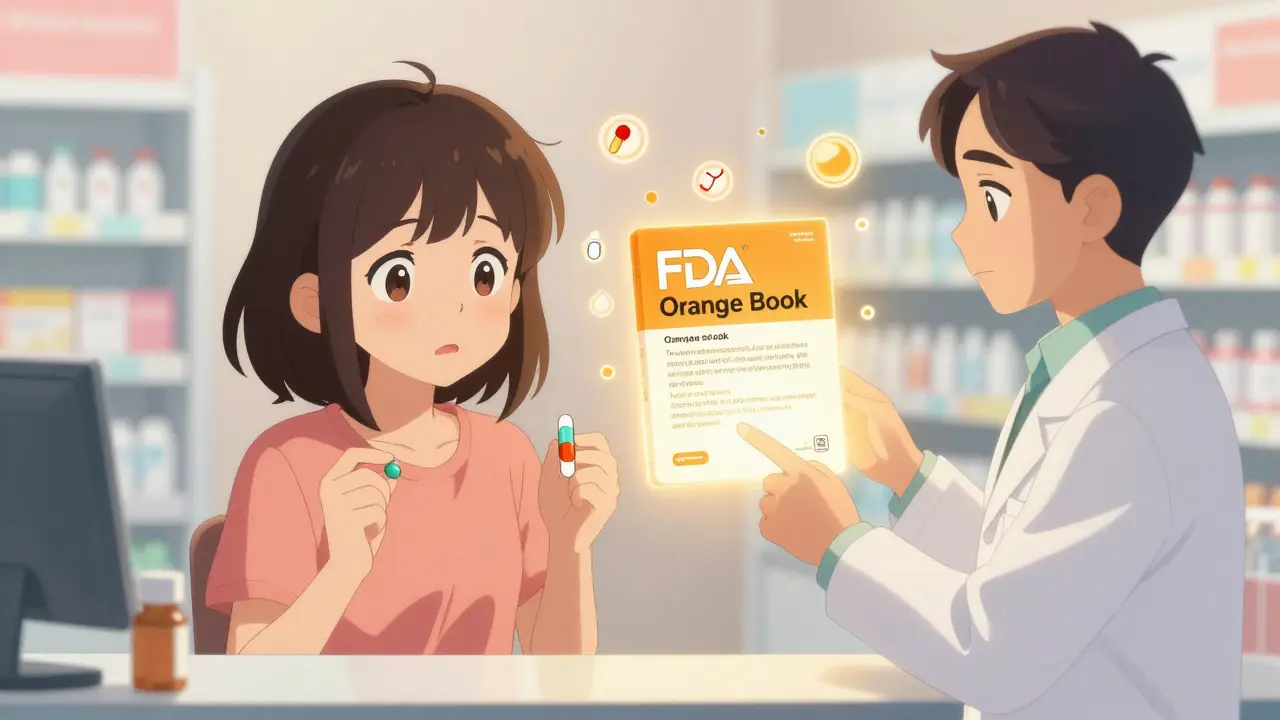
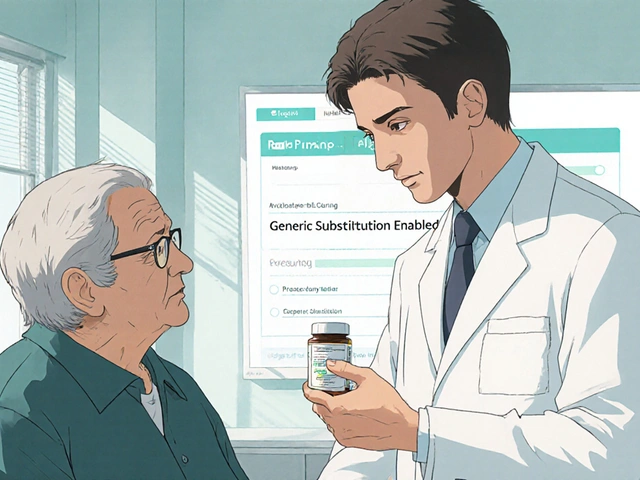
When you pick up a prescription and see a pill that looks totally different from what you’ve been taking, it’s natural to pause. Generic medications are not a compromise-they’re the same drug, just cheaper. But without clear counseling, that difference in color, shape, or size can make you doubt whether it will work. The truth? FDA-approved generics have the same active ingredients, strength, and dosage form as brand-name drugs. They’re held to the exact same standards. Yet, 67% of patients still believe generics are weaker. That’s not a flaw in the medicine-it’s a flaw in the conversation.
Why Your Generic Isn’t the Same Color or Shape
Generic drugs aren’t copies in the way a photocopy is a copy. They’re exact matches in what matters: the active ingredient that treats your condition. The differences you see-like a blue pill instead of a white one-are in the inactive ingredients. These are the fillers, dyes, and binders that help the drug hold its shape or be absorbed. They don’t affect how the medicine works. But they can cause problems if you have an allergy. For example, some generics use lactose as a filler. If you’re lactose intolerant and your brand-name drug didn’t contain it, you might react to the generic. That’s why pharmacists are required to tell you about these differences during counseling.What the Law Says About Generic Counseling
Since 1990, federal law has required pharmacists to counsel patients when dispensing generic drugs. This rule, part of OBRA ’90, applies to all pharmacies that bill Medicaid. It’s not optional. Pharmacists must explain:- That this is a generic version of your prescribed drug
- That it works the same way as the brand-name version
- Why it looks different
- How to take it correctly
- Potential side effects
- Any differences in inactive ingredients that could affect you
They also have to check that you understand. That’s called the “teach-back” method. Instead of just asking, “Do you understand?”, they’ll say, “Can you tell me how you’ll take this pill?” If you can explain it in your own words, they know you got it. If not, they’ll try again.
Therapeutic Equivalence: What the FDA Really Means
The FDA’s Orange Book is the official list of all approved generic drugs and their therapeutic equivalence ratings. If a generic has an “AB” rating, it means the FDA has confirmed it performs the same way in your body as the brand-name drug. To earn that rating, the generic must deliver the same amount of active ingredient into your bloodstream within the same time frame-within 80% to 125% of the brand-name drug. That’s not a guess. It’s a strict, scientifically proven standard tested in real people.Some drugs have narrow therapeutic indexes-meaning the difference between a helpful dose and a harmful one is very small. These include warfarin, levothyroxine, and phenytoin. For these, even small changes in absorption can matter. That’s why 24 states have special rules: pharmacists can’t switch you to a generic without your doctor’s approval. If you’re on one of these drugs, always ask if your generic is approved for substitution.
Why Patients Stop Taking Their Generics
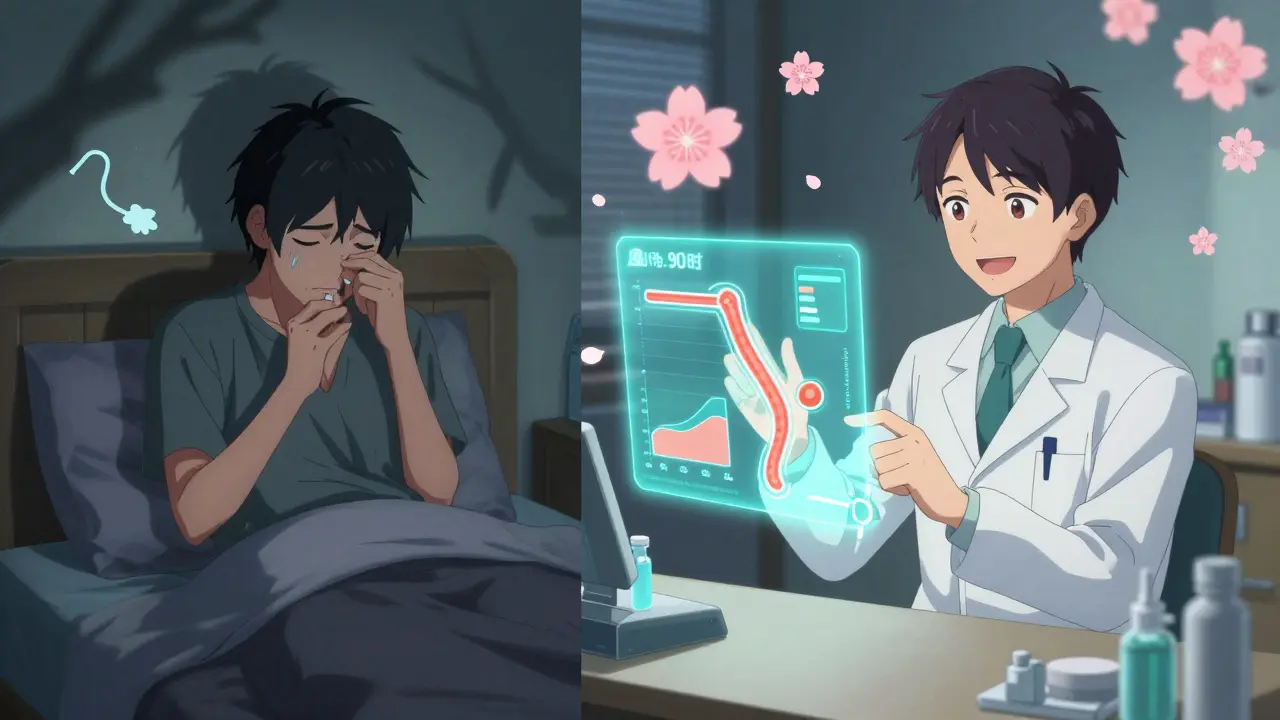
A 2019 survey found that 31% of patients felt confused when their medication looked different. Eighteen percent admitted they sometimes skipped doses because the pill didn’t look right. That’s not just about appearance-it’s about trust. If you don’t understand why the change happened, you assume something went wrong. One patient on PatientsLikeMe said her pharmacist spent 10 minutes showing her the FDA’s Orange Book entry for her drug. She saved $300 a month and never noticed a difference. Another patient on Drugs.com had a bad reaction because the generic had lactose, and no one told him. He was allergic. Counseling wasn’t just helpful-it was life-saving.What You Should Ask When You Get a Generic
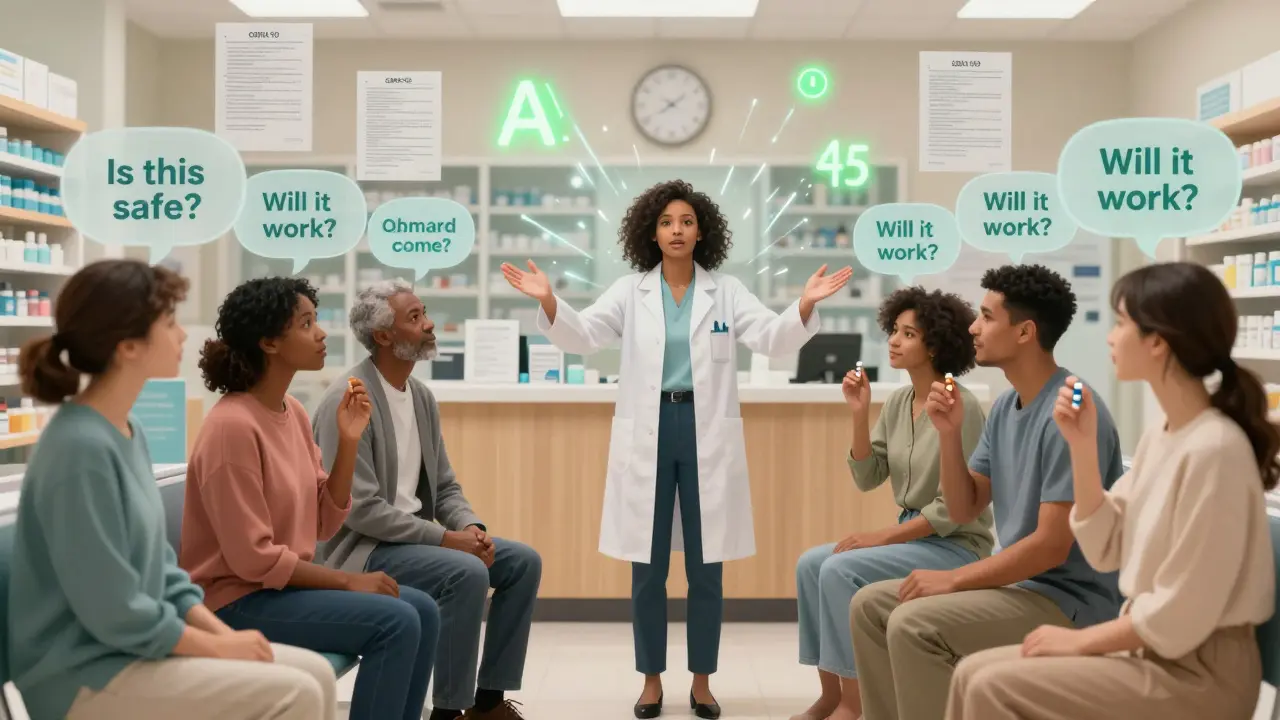
Don’t wait for the pharmacist to explain everything. You have the right to ask questions. Here’s what to say:- “Is this a generic version of my old pill?”
- “Is it the same as the brand-name drug?”
- “Why does it look different?”
- “Does it have any ingredients I might be allergic to?”
- “Will this work the same way?”
If you’re on a chronic condition like high blood pressure, diabetes, or thyroid disease, ask if the generic is approved for substitution. Don’t assume it’s automatic. Some pharmacies switch drugs without telling you. Check your prescription label. If it says “Dispensed as Written,” that means your doctor blocked substitution. If it doesn’t say that, a generic was likely given.
How Counseling Saves Money-and Lives
A 2018 study of 12.7 million people found that switching to generics improved medication adherence by 8.2%. That means people took their pills more consistently. Why? Because they cost less. But only if they trusted the drug. Proper counseling cuts confusion, which cuts missed doses, hospital visits, and emergency care. The American College of Physicians says doctors should routinely prescribe generics-and explain why. The FDA says generics are just as safe and effective. And according to the Association for Accessible Medicines, generics saved the U.S. healthcare system $1.9 trillion between 2009 and 2019.States that require clear, documented counseling see 15.7% higher generic use. That’s not because people are forced to switch. It’s because they understand it’s safe. When you know the science, you don’t fear the pill.
What’s Changed in 2025
In 2022, the FDA updated its Orange Book to make therapeutic equivalence ratings clearer. In 2023, CMS required pharmacists to provide counseling in the patient’s primary language-not just English. Many pharmacies now use short video clips to explain generics. One study found that patients who watched a 90-second video were 37% more likely to accept a generic. That’s because seeing the science in action builds trust faster than words alone.Pharmacists are also required to document every counseling session. If you say no to counseling, they have to mark it. If they don’t document it, they risk losing Medicaid reimbursement. That means they’re more careful now. You’re not being rushed. You’re being protected.
What to Do If You Feel Something’s Off
If you start feeling different after switching to a generic-worse side effects, no improvement, or new symptoms-don’t ignore it. Call your pharmacist. Ask if the inactive ingredients changed. Ask if your doctor needs to be notified. You might need to switch back. Or you might need a different generic. Not all generics are made the same way. Some manufacturers use different fillers. Your pharmacist can check which one you got and find a better match.Remember: You’re not being asked to trust blindly. You’re being given the tools to make an informed choice. Generics aren’t second-rate. They’re the standard. And with the right counseling, they can save you money without sacrificing your health.





Write a comment
Your email address will be restricted to us