
Dry Mouth Product Checker
Check Your Products
Recommended
This product contains dry mouth-friendly ingredients and is safe for use.
When your mouth feels like cotton wool-even after drinking water-you’re not just uncomfortable, you’re at risk. Dry mouth, or xerostomia, isn’t just a nuisance. It’s a silent threat to your teeth, gums, and overall oral health. Over 500 common medications, from blood pressure pills to antidepressants, list dry mouth as a side effect. About 1 in 10 adults deal with it regularly, and for those over 65, that number jumps to 3 in 10. The problem? Less saliva means less protection. Saliva washes away food, neutralizes acids, and fights bacteria. Without it, cavities form fast, infections take hold, and even talking or swallowing becomes a chore.
Why Dry Mouth Is More Dangerous Than You Think
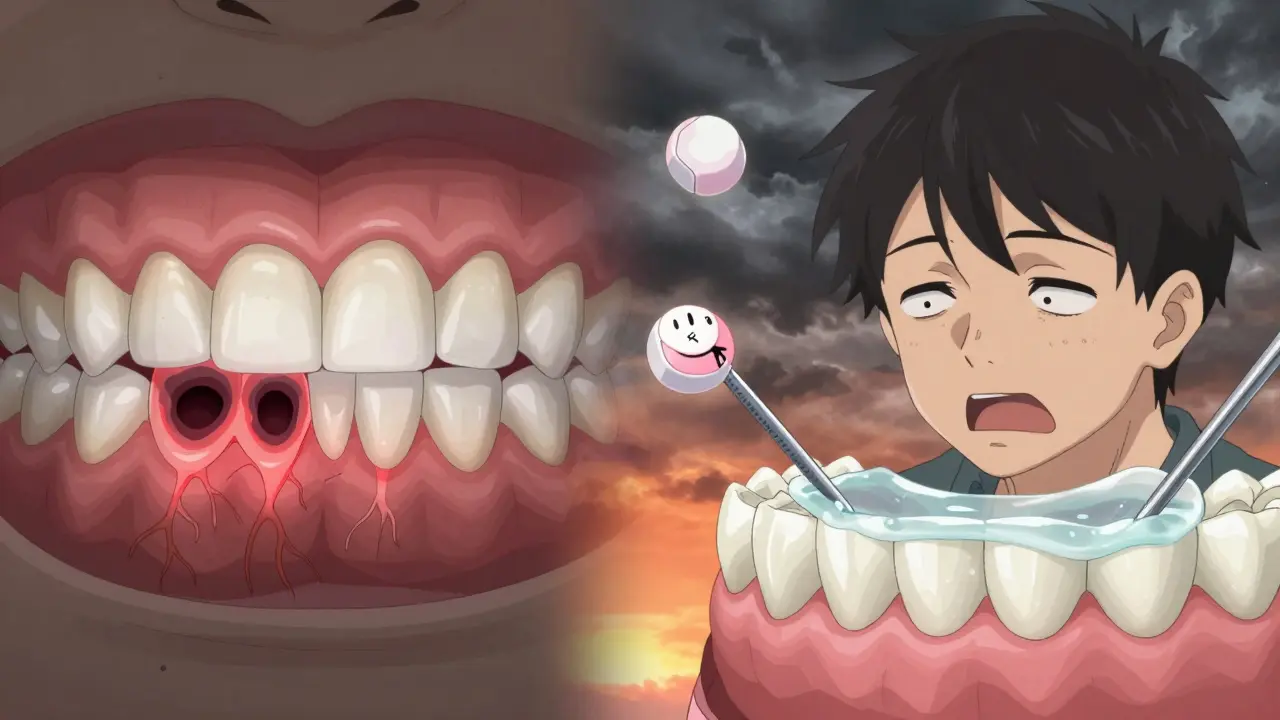
Most people think dry mouth is just annoying. But it’s actually a major red flag for dental decay. When saliva drops, your mouth’s natural defense system shuts down. Bacteria multiply unchecked. Acid from food and drinks doesn’t get rinsed away. The result? Cavities can pop up on the roots of your teeth, where they’re harder to treat. You might notice bad breath that won’t go away, even after brushing. Or your lips crack. Your tongue feels raw. Dentures don’t stay put. These aren’t just inconveniences-they’re signs your oral environment is breaking down.
And it’s not just older adults. If you’re taking daily meds for diabetes, anxiety, allergies, or heart conditions, you’re likely affected. Even over-the-counter antihistamines and decongestants can trigger it. The key isn’t to stop your meds-it’s to protect your mouth while you’re on them.
What to Look for in Dry Mouth Products
Not all mouthwashes, sprays, or gels are created equal. The best ones don’t just add moisture-they mimic natural saliva. Look for these three ingredients:
- Xylitol: A natural sweetener that doesn’t feed cavity-causing bacteria. In fact, it helps reduce them. Products like ACT Dry Mouth Lozenges and Biotène rinses use it to prevent decay.
- Carboxymethylcellulose or hydroxyethyl cellulose: These thickening agents create a protective film that lasts longer than plain water. You’ll find them in Biotène Oralbalance Gel and similar products.
- No alcohol, no sodium lauryl sulfate (SLS): Alcohol dries you out further. SLS can irritate sensitive tissues. Avoid anything that lists them in the first three ingredients.
Also skip sugary gums and candies. Even “sugar-free” ones with artificial sweeteners like sorbitol can still feed bacteria. Stick to xylitol-only options.
Top Products That Dentists Actually Recommend
Biotène is the #1 dentist, pharmacist, and hygienist recommended brand for dry mouth. That’s not marketing fluff-it’s backed by years of clinical use and consistent feedback. Their product line covers all daily needs:
- Biotène Oralbalance Moisturizing Gel: A thick gel you apply at night. It lasts up to 4 hours and doesn’t wash off easily. Perfect for sleeping with your mouth open or if you breathe through your mouth.
- Biotène Dry Mouth Oral Rinse: Alcohol-free, pH-balanced, and packed with xylitol. Use it after brushing to refresh and protect. Many users say it’s the only rinse that doesn’t burn.
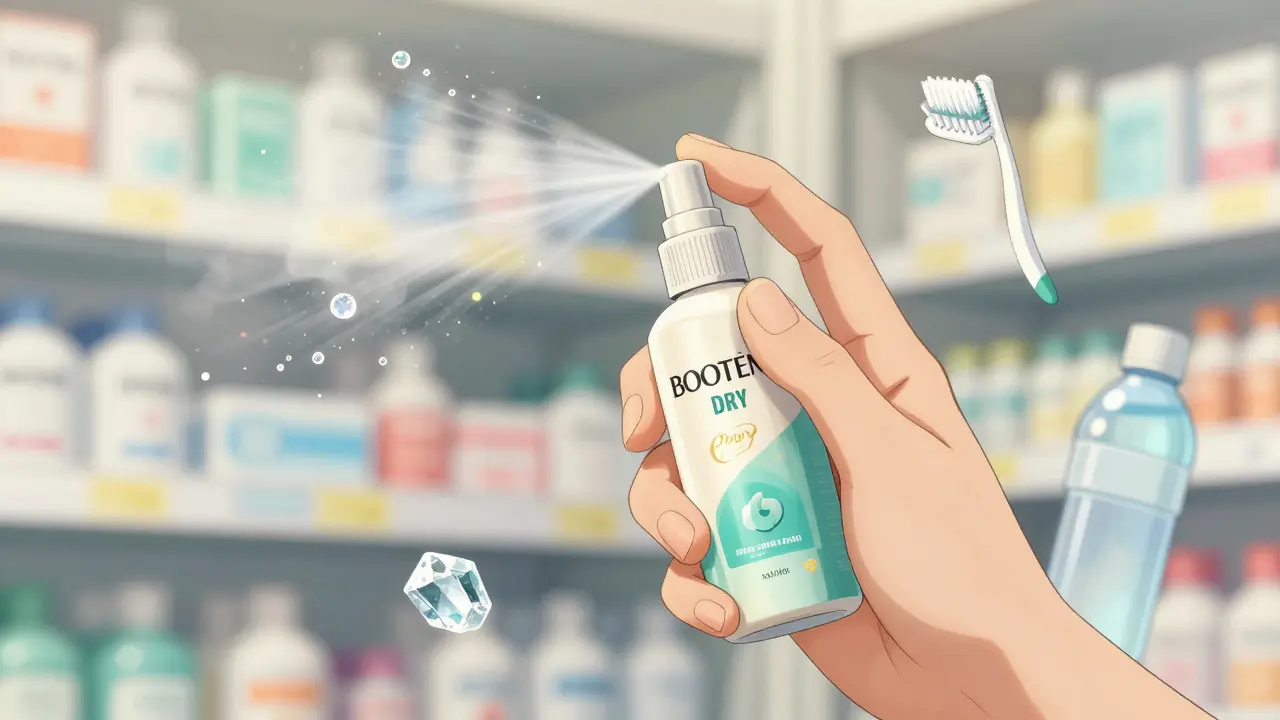
- Biotène Mouth Spray: A quick hit of moisture you can carry in your bag. Great for work, travel, or after a long phone call.
- Biotène Dry Mouth Lozenges: Dissolve slowly to keep your mouth moist for hours. Mint or fruit flavors help with taste changes too.
Other effective options:
- ACT Dry Mouth Moisturizing Lozenges: Also xylitol-based, slightly cheaper, and widely available. Good for daytime use.
- XyliMelts: Adhesive discs that stick to your gums or inner cheek. They release xylitol and moisture slowly over hours-ideal for nighttime or when you can’t chew gum.
- TheraBreath Dry Mouth Oral Rinse: Combines moisture with breath-freshening agents. Good if bad breath is a big concern.
Price-wise, you’re looking at $0.19-$0.30 per lozenge, $5-$13 per bottle of rinse, and $8-$12 for gel. Most last 3-6 weeks with regular use. Walgreens and CVS carry over 100 dry mouth products, so you’ve got options.
Daily Habits That Make a Real Difference
Products help-but habits change everything. You can’t rely on gels and sprays alone. Here’s what works:
- Sip water all day. Keep a bottle handy. Don’t wait until you’re thirsty. Small sips are better than big gulps.
- Suck on ice chips. They melt slowly and keep your mouth moist without sugar.
- Chew sugar-free gum with xylitol. Do this after meals. It triggers saliva flow naturally. Aim for 3-5 pieces a day.
- Breathe through your nose. Mouth breathing dries you out fast. If you snore or have nasal congestion, talk to your doctor. A nasal strip or humidifier might help.
- Use a humidifier at night. Especially in winter or dry climates. Add moisture to the air, and your mouth stays wetter while you sleep.
- Avoid caffeine, alcohol, and sugary drinks. Coffee, soda, and wine all dry you out. Even diet sodas are acidic and harmful to teeth without saliva to buffer them.
- Stay away from acidic or sugary foods. Citrus fruits, vinegar, candy, and pastries increase decay risk. If you eat them, rinse with water right after.
Nighttime Routine: Your Most Important Defense
Nighttime is when dry mouth hits hardest. Saliva production drops naturally while you sleep. If you’re already low on saliva, this is when damage happens.
Here’s what to do before bed:
- Brush your teeth with fluoride toothpaste made for dry mouth. Colgate’s Dry Mouth Toothpaste and Sensodyne Pronamel are good choices.
- Rinse with a fluoride rinse like ACT Dry Mouth Rinse. Don’t swallow it.
- Apply a thin layer of Biotène Oralbalance Gel to your gums, tongue, and inside cheeks. Let it sit. Don’t rinse.
- Use a custom fluoride tray if your dentist recommends one. These hold fluoride gel against your teeth overnight for extra protection.
Many people skip the gel at night because they think, “I’m sleeping, why bother?” But that’s exactly when you need it most. Without it, your teeth are exposed to acid for 8 hours with zero protection.
When to See Your Dentist
Don’t wait for a cavity to form. If you have dry mouth, see your dentist at least once a year-but ideally every 6 months. They can:
- Check for early signs of decay you can’t see
- Apply professional fluoride treatments
- Recommend custom trays or stronger prescription rinses
- Adjust your care plan if meds are changing
Also, tell your doctor about your dry mouth. They might be able to switch you to a different medication or adjust your dose. Sometimes, just changing one pill can make a huge difference.
What Doesn’t Work (And Why)
There’s a lot of advice out there-and a lot of it’s wrong.
- Drinking more water alone won’t fix it. Water helps, but it doesn’t replace saliva’s protective coating. That’s why you need saliva substitutes.
- Homemade rinses (baking soda + water) can harm enamel. Too much baking soda is abrasive and acidic over time.
- Minty breath fresheners with alcohol (like Listerine) make dry mouth worse. Avoid them.
- Chewing gum with sorbitol or mannitol doesn’t help prevent cavities. Only xylitol does.
Stick to science-backed products and habits. Don’t guess.
Final Thought: It’s Manageable
Dry mouth isn’t curable-but it’s totally manageable. You don’t need to suffer. With the right products, daily habits, and dental care, you can protect your teeth, feel comfortable, and keep your confidence. Start with one change: swap your mouthwash for a xylitol rinse. Add a humidifier. Use gel at night. Do that for two weeks. You’ll notice the difference. Your mouth won’t feel like sandpaper anymore. And your dentist will thank you.
Can dry mouth cause permanent damage?
Yes, if left untreated. Reduced saliva increases your risk of rapid tooth decay, gum disease, and oral infections. Cavities can spread to the roots of teeth, which are harder to treat. In severe cases, you may lose teeth or need extensive dental work. The good news? With consistent care, you can stop the damage before it becomes permanent.
Is Biotène the only brand that works?
No, but it’s the most recommended. ACT, TheraBreath, and XyliMelts also work well. What matters most is the ingredients: xylitol, carboxymethylcellulose, and no alcohol. If you find another brand with those and it feels good, stick with it. Biotène’s advantage is its wide range of products and consistent professional endorsement.
Can I use regular toothpaste if I have dry mouth?
You can, but it’s not ideal. Regular toothpaste often contains SLS, which can irritate dry tissues. It also doesn’t have the extra fluoride or protective agents designed for dry mouth. Use a toothpaste labeled for dry mouth or sensitivity-it’s a small change with big benefits.
How long does it take for dry mouth products to work?
You’ll feel immediate relief from sprays, rinses, and gels-usually within minutes. But protection builds over time. Using xylitol products daily reduces cavity risk over weeks. The gel lasts up to 4 hours, so reapply as needed. Consistency matters more than speed.
Is xylitol safe if I have diabetes?
Yes. Xylitol has a low glycemic index and doesn’t spike blood sugar. It’s safe for diabetics and often recommended by dentists for them. Just watch your total intake-over 50 grams a day can cause bloating or diarrhea in some people. Most lozenges and rinses contain far less than that.
Should I avoid all acidic foods?
You don’t need to avoid them completely, but be smart. Citrus, tomatoes, vinegar, and soda are acidic and can erode enamel-especially without saliva to neutralize them. Eat them with meals, not as snacks. Rinse with water or a fluoride rinse afterward. Don’t brush right away-wait 30 minutes to avoid scrubbing softened enamel.
Can dry mouth be cured?
Only if the cause is temporary-like dehydration or a short-term medication. If it’s caused by long-term drugs, aging, or autoimmune conditions like Sjögren’s syndrome, it’s usually chronic. But you can still manage it perfectly. With the right routine, you can live comfortably without major dental problems.








Write a comment
Your email address will be restricted to us