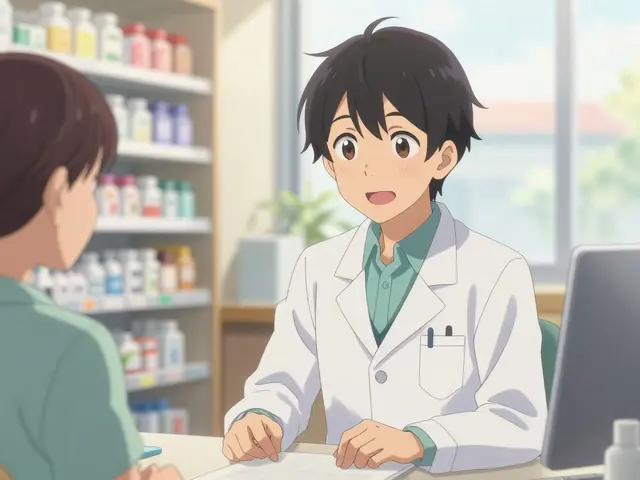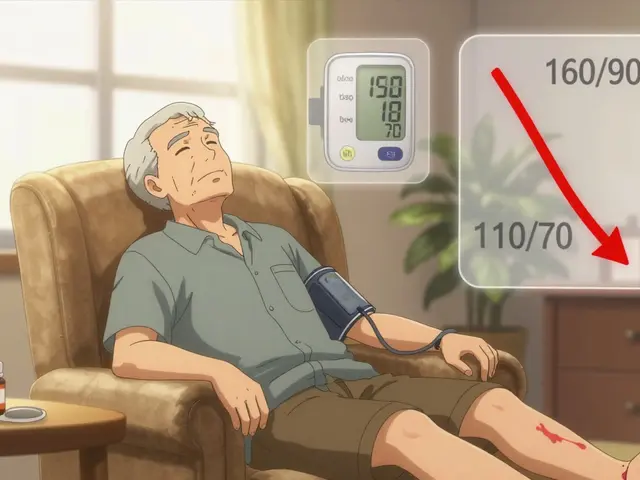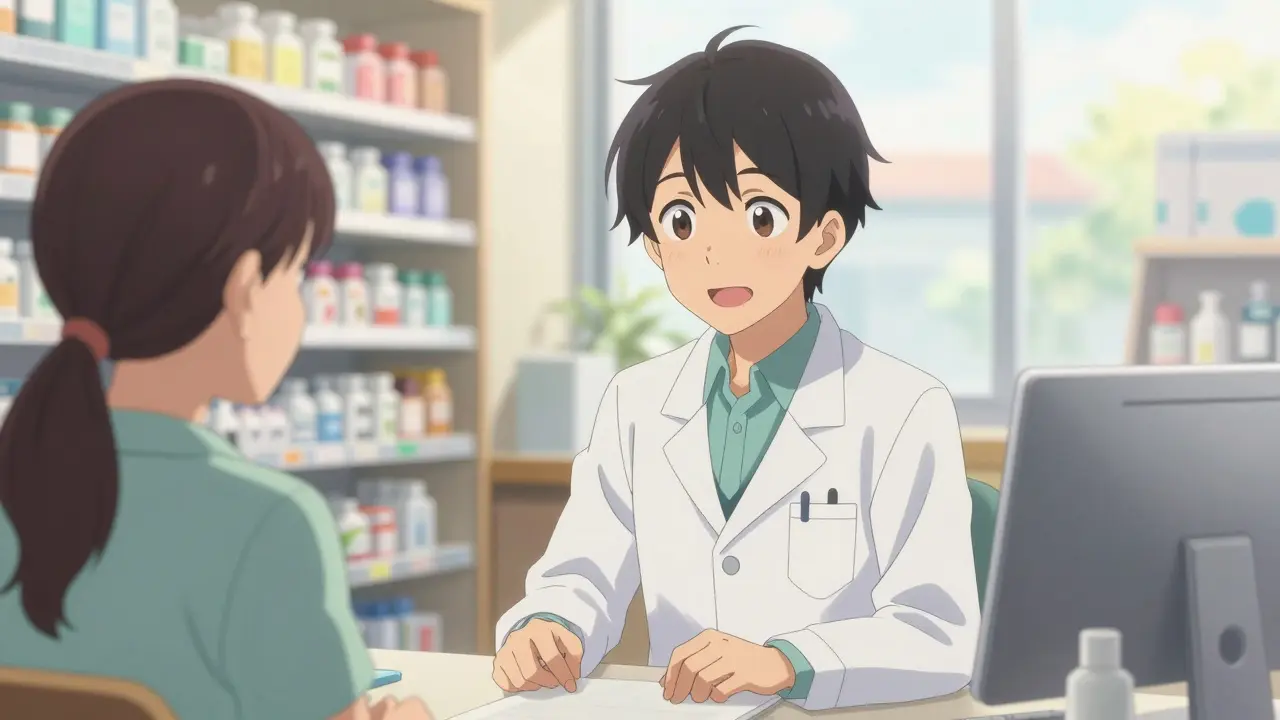
Medication errors and poor adherence cost the U.S. healthcare system billions annually, yet the solution often sits right in front of you at the pharmacy counter. You might think picking up a prescription is just a transaction, but it is actually a critical moment for health safety. Pharmacists are trained medication experts who can bridge the gap between complex medical jargon and your daily routine. However, they cannot read your mind. To get the most out of this interaction, you need to know exactly what to ask for.
The landscape of pharmacist-patient communication has evolved significantly. From the federal mandates of the Omnibus Budget Reconciliation Act of 1990 (OBRA '90) to the updated Pharmacists' Patient Care Process (PPCP) released by the Joint Commission of Pharmacy Practitioners (JCPP) in May 2025, the standard is now about active partnership. This means pharmacists should not just hand you pills; they should ensure you understand how to use them safely. Here is what you should request to protect your health.
Understanding Your Right to Counseling
It helps to know that asking for information is not just polite-it is often legally required. The Omnibus Budget Reconciliation Act of 1990 established that patients have a right to be counseled on new prescriptions. While originally focused on Medicaid beneficiaries, this principle has expanded. Today, all 50 states require some form of patient counseling, with 32 states mandating that this interaction be documented in your medical record.
Despite these rules, many patients report feeling rushed. A 2024 survey by Consumer Reports found that 42% of patients felt pharmacists hurried through counseling, especially in large chain pharmacies where average interaction time drops to just 1.8 minutes. Do not let this happen to you. You have the right to pause the line and ask questions. If you feel ignored, politely state, "I would like to review my medication instructions before I leave." This triggers the professional obligation to provide care under guidelines set by organizations like the American Society of Health-System Pharmacists (ASHP).
Specific Content Elements to Request
Vague advice like "take as directed" is dangerous. Instead, request specific details based on the ASHP’s core guidelines. When you pick up a medication, ask for clarity on these nine key areas:
- Name and Purpose: Confirm exactly what the drug treats. Ask, "Is this for my high blood pressure or my cholesterol?"
- Dosage and Schedule: Get precise timing. Does "twice a day" mean every 12 hours, or with breakfast and dinner?
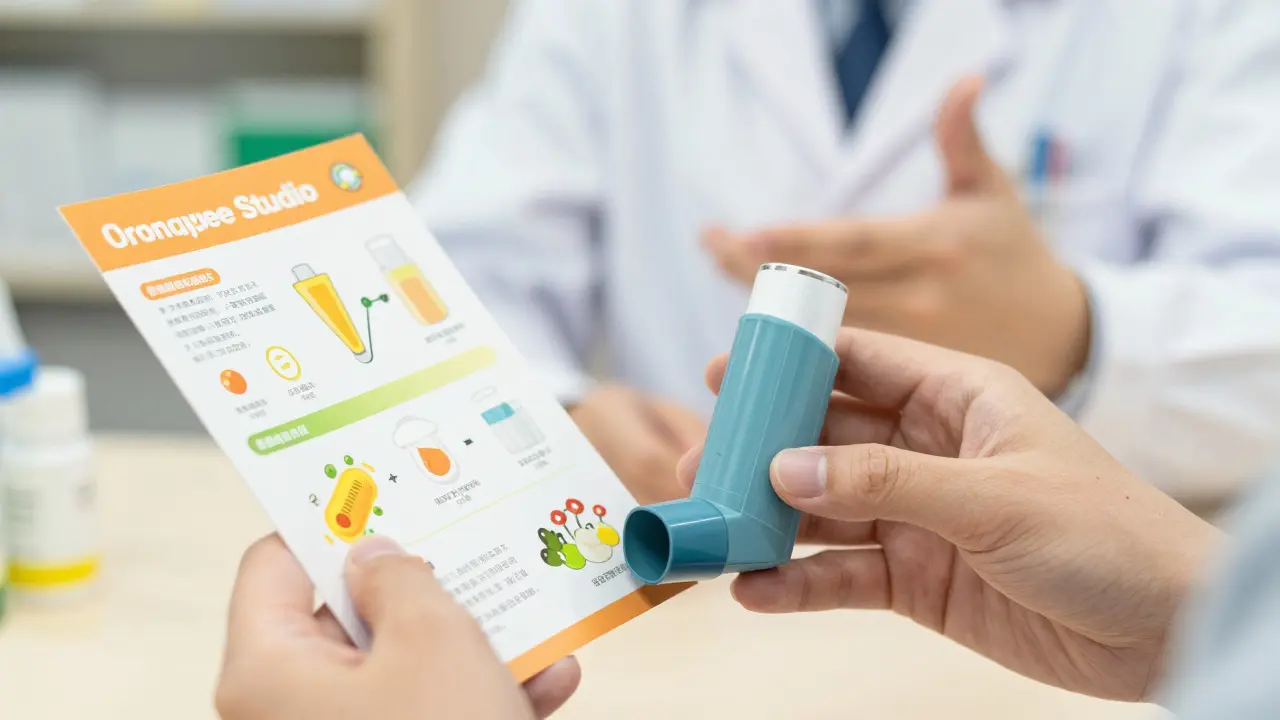
- Administration Technique: For inhalers, injections, or eye drops, ask for a demonstration. Studies show 87% of patients gain greater clarity on administration when taught by a pharmacist rather than a physician.
- Missed Dose Protocol: Ask specifically, "What do I do if I forget a dose? Should I double up or skip it?"
- Expected Benefits and Timeline: When will you feel better? Knowing this prevents premature discontinuation.
- Side Effects: Differentiate between minor annoyances (like dry mouth) and serious red flags (like rash or swelling).
- Self-Monitoring: Do you need to check your blood pressure or weight while on this drug?
- Storage Requirements: Does it need refrigeration? Can it go in a gym bag?
- Interactions: Ask about interactions with your other meds, alcohol, or specific foods like grapefruit.
Requesting Written and Visual Aids
Verbal instructions fade quickly. Research indicates that 76% of patients demonstrate proper technique after receiving visual aids, compared to only 41% who rely solely on verbal instructions. Always ask for written materials that reinforce what was said.
You should specifically request:
- Customized Handouts: Many pharmacies use resources like the Patient Education Reference Center (PERC), which offers over 15,000 evidence-based handouts. Ask if they can print one tailored to your specific medication.
- Language-Specific Materials: If English is not your first language, insist on materials in your preferred language. PERC provides Spanish versions for 92% of common medications. UpToDate also offers resources in 18 languages.
- Visual Demonstrations: For devices like insulin pens or nebulizers, ask the pharmacist to show you, then ask to "return demonstrate"-meaning you show them back how you would do it. This confirms you truly understand.
- Simplified Instructions: With 80 million U.S. adults having limited health literacy, ask for plain-language summaries. The FDA is moving toward simplifying Medication Guides to an 8th-grade reading level, but you can proactively ask for "simple terms" explanations today.
Navigating the 2025 JCPP Framework
The industry is shifting toward a more collaborative model. The Joint Commission of Pharmacy Practitioners (JCPP) updated its Pharmacists' Patient Care Process in May 2025. This new framework emphasizes "person-centered care" and requires pharmacists to confirm patient understanding and agreement with the treatment plan.
This is good news for you. It means pharmacists are now formally expected to partner with you, not just dictate orders. You can leverage this by asking, "Does this plan fit my lifestyle?" or "Can we adjust the timing so it doesn't interfere with my work schedule?" The 2025 guidelines encourage pharmacists to develop cost-conscious care plans, so do not hesitate to discuss financial barriers. If a medication is too expensive, ask about lower-cost alternatives or generic options. Only 18% of patients currently report discussing costs, despite 62% needing help-a gap you can close by speaking up.
Digital Resources and Follow-Up
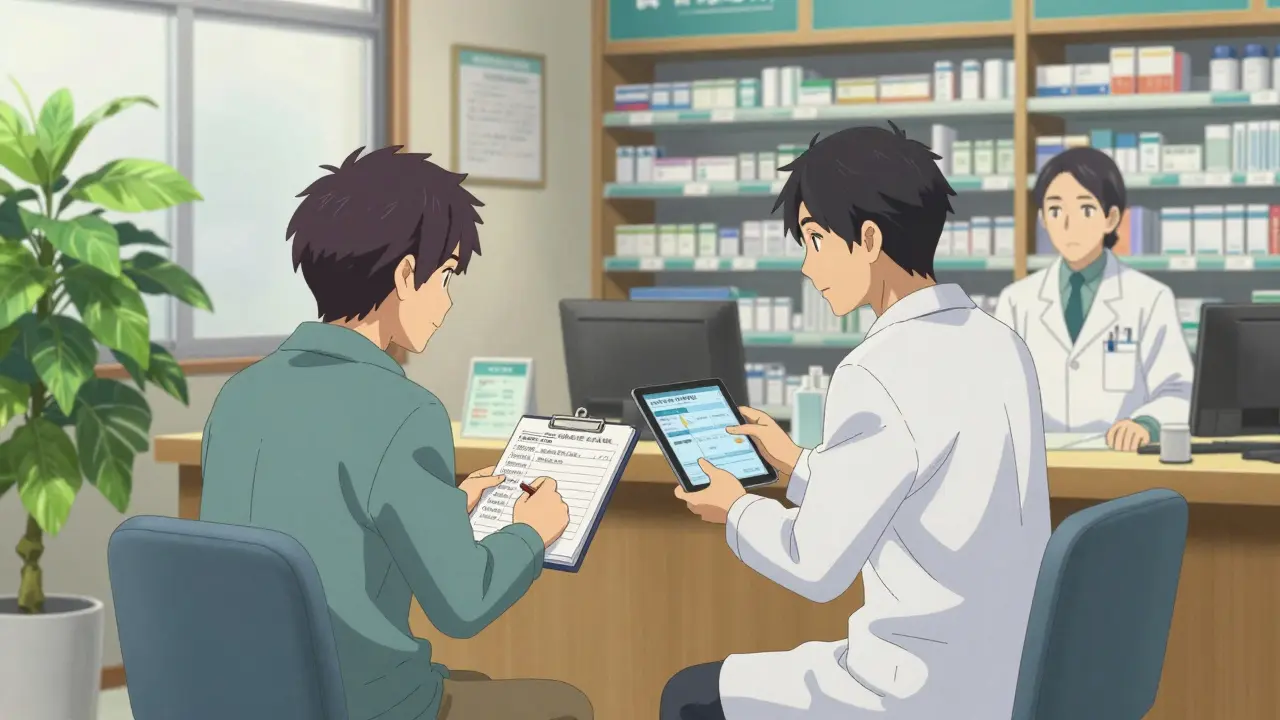
Technology is changing how you access information. Many hospitals and pharmacies now use digital platforms like UpToDate or Epocrates Online to generate patient leaflets. These tools offer multimedia resources, including videos and interactive diagrams.
If your pharmacy uses a modern management system, ask if you can receive your instructions via email or a patient portal. This creates a permanent record you can refer back to. Additionally, look for QR codes on packaging. The FDA’s 2024 draft guidance proposes adding QR codes to Medication Guides to link directly to video demonstrations. Even if your current box lacks one, you can ask the pharmacist to scan a code from their internal system to show you a tutorial on your phone.
For chronic conditions, consider asking about Medication Therapy Management (MTM). Starting January 2026, Medicare Part D plans must include comprehensive MTM as a required benefit. This service provides a detailed review of all your medications, identifying duplicates, interactions, and adherence issues. It is a deeper dive than a standard pickup conversation and is invaluable for managing multiple drugs.
Overcoming Common Barriers
Even with the best intentions, getting quality education can be tricky. Here is how to handle common obstacles:
| Barrier | Impact | Solution |
|---|---|---|
| Rushed Environment | Poor comprehension, missed details | Ask for a callback during off-peak hours (e.g., mid-afternoon) or schedule a dedicated consultation. |
| Low Health Literacy | Misunderstanding dosage or side effects | Request "plain language" handouts and use the "teach-back" method to verify understanding. |
| Inconsistent Information | Confusion between different pharmacists | Stick to one pharmacy whenever possible to build continuity of care and consistent records. |
| Financial Constraints | Non-adherence due to cost | Explicitly ask about generics, coupons, or assistance programs during the counseling session. |
Remember, consistency matters. Try to use the same pharmacy for all your prescriptions. This allows the pharmacist to see your full medication profile, reducing the risk of dangerous interactions and ensuring consistent advice. Independent pharmacies often have more time for counseling (with only 32% reporting rushed interactions vs. 68% in chains), so consider switching if you feel undervalued elsewhere.
Your Action Plan: The 7 Essential Questions
To make your next visit productive, keep this checklist handy. The ASHP endorses these seven essential questions to guide your conversation:
- What is this medication for?
- How and when should I take it?
- What should I do if I miss a dose?
- What side effects should I expect, and which ones are dangerous?
- How will I know if it is working?
- How should I store it?
- Is there anything else I need to know about interactions or diet?
Writing these down ensures you cover all bases, even if nerves or noise distract you. By taking an active role in your care, you transform the pharmacist from a dispenser into a partner. This simple shift can reduce medication errors, improve adherence, and ultimately save lives.
Do pharmacists have to give me counseling?
Yes, in most cases. Federal law (OBRA '90) and state laws in all 50 states require pharmacists to offer counseling for new prescriptions. However, you can decline this offer. If you accept, they must provide information on usage, side effects, and storage. In 32 states, this counseling must be documented in your medical record.
What is the JCPP PPCP 2025 update?
The Pharmacists' Patient Care Process (PPCP) is a framework released by the Joint Commission of Pharmacy Practitioners. The May 2025 update strengthens the requirement for person-centered care, emphasizing active partnership with patients, confirmation of understanding, and addressing social determinants of health like cost and literacy.
Why are written materials important?
Written materials reinforce verbal instructions and serve as a reference. Studies show that 76% of patients use medication correctly when provided with visual aids or written guides, compared to 41% with verbal instructions alone. They also help overcome memory decay and health literacy barriers.
Can I get medication guides in languages other than English?
Yes. Resources like the Patient Education Reference Center (PERC) offer handouts in Spanish for 92% of common medications. UpToDate provides content in 18 languages. You should explicitly request materials in your preferred language to ensure accurate understanding.
What is Medication Therapy Management (MTM)?
MTM is a comprehensive service where a pharmacist reviews all your medications to optimize therapeutic outcomes. It identifies interactions, redundancies, and adherence issues. As of January 2026, it is a required benefit for Medicare Part D plans, offering a deeper level of care than standard dispensing.