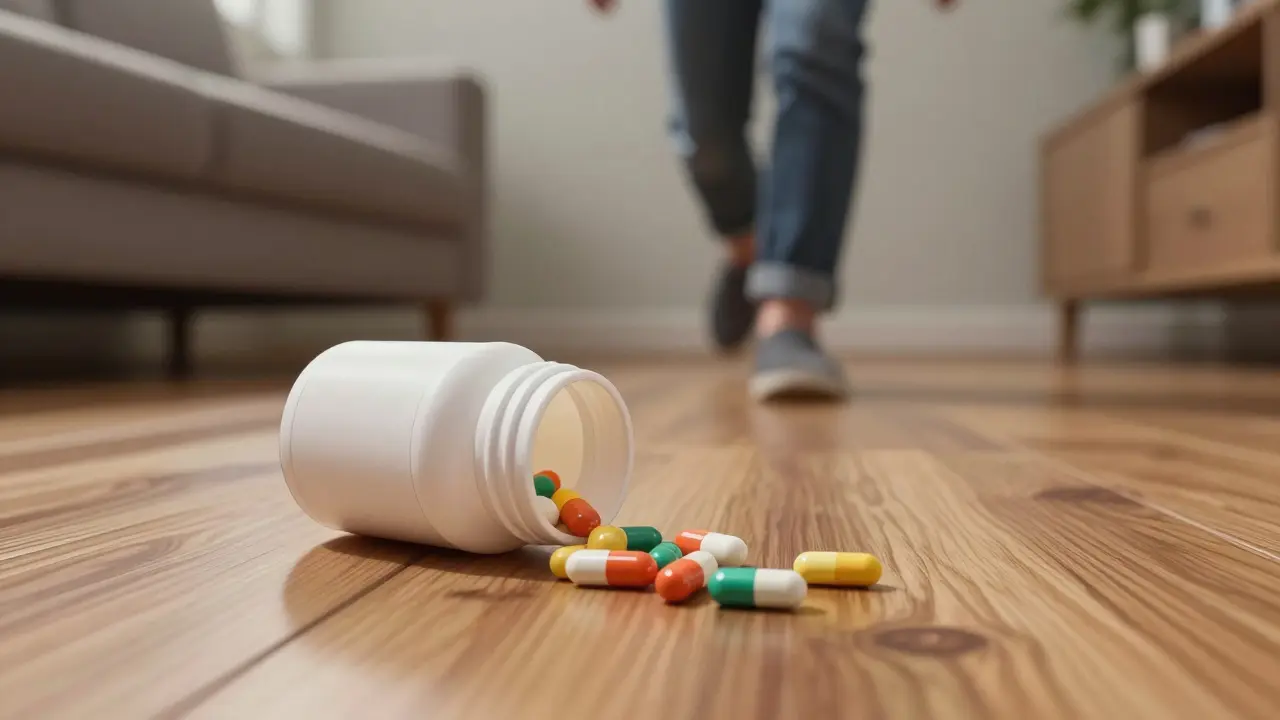
Key Takeaways for Parents
- Call Poison Control (800-222-1222) immediately if you suspect an overdose, even if your child seems fine.
- Call 911 if the child is unresponsive, struggling to breathe, or having seizures.
- Acetaminophen (Tylenol) is dangerous because liver damage happens silently; symptoms may not appear for 24 hours.
- Store all meds in locked cabinets; child-resistant caps are not 100% foolproof.
- Never call medicine "candy" as this encourages children to seek it out.
Recognizing the Red Flags by Medication Type
Not all overdoses look the same. Depending on what your child ingested, the symptoms can range from extreme hyperactivity to a coma-like sleep. Understanding these specific patterns helps you provide better information to emergency responders.When dealing with Opioids is a class of drugs including prescription painkillers and synthetic opioids like fentanyl that depress the central nervous system ], the signs are often physical and sudden. Look for "pinpoint pupils" (extremely small pupils), a limp body, or a bluish-purple tint to the lips and fingernails. You might hear choking or gurgling sounds, and their breathing may be shallow or stop entirely.
Stimulants, such as those used for ADHD, create the opposite effect. Instead of slowing down, the child may become agitated, confused, or experience panic. You might notice a rapid heartbeat, high blood pressure, or even seizures. In some cases, they may experience hallucinations or sudden, irrational behavior.
The most deceptive danger is Acetaminophen is a common over-the-counter pain reliever and fever reducer also known as paracetamol ]. This drug is the most common substance involved in pediatric poisoning. The terrifying part? A child can have a toxic amount in their system and look completely normal for hours. By the time nausea, vomiting, or abdominal pain appear-usually around the 24-hour mark-severe liver damage may have already occurred.
| Medication Class | Primary Warning Signs | Urgency Level | Critical Danger |
|---|---|---|---|
| Opioids | Pinpoint pupils, blue lips, shallow breathing | Immediate | Respiratory failure |
| Stimulants | Panic, rapid heart rate, seizures, confusion | High | Heart attack or stroke |
| Acetaminophen | Initially none; later nausea and stomach pain | Immediate | Acute liver failure |
| Sedatives | Extreme drowsiness, lack of coordination | High | Loss of consciousness |
When to Call Poison Control vs. 911
One of the biggest mistakes parents make is waiting for symptoms to appear before seeking help. If you suspect your child took too much of a pediatric medication overdose, the rule is simple: call for help immediately. However, where you call depends on the child's current state.You should call the Poison Control Center is a specialized emergency medical service that provides immediate expert guidance on poisoning and overdose cases ] hotline (800-222-1222) if the child is awake, alert, and breathing normally, but you know they ingested something dangerous. These experts can tell you if the amount taken is actually toxic or if you can manage the situation at home.
On the other hand, dial 911 (or your local emergency number) immediately if you see any of the following "critical" signs:
- The child is unresponsive to your voice or physical touch.
- They are struggling to breathe or have stopped breathing.
- They are having an active seizure or uncontrollable shaking.
- Their face, lips, or tongue are swelling rapidly (signs of an allergic reaction).
- They are completely unable to wake up.
If you are dealing with a suspected fentanyl or opioid overdose and have Naloxone is an opioid antagonist medication used to rapidly reverse opioid overdose by blocking opioid receptors ] on hand, administer it immediately. Give one dose and wait 2-3 minutes. If there is no improvement, continue administering doses while waiting for the ambulance.
The Critical Treatment Windows
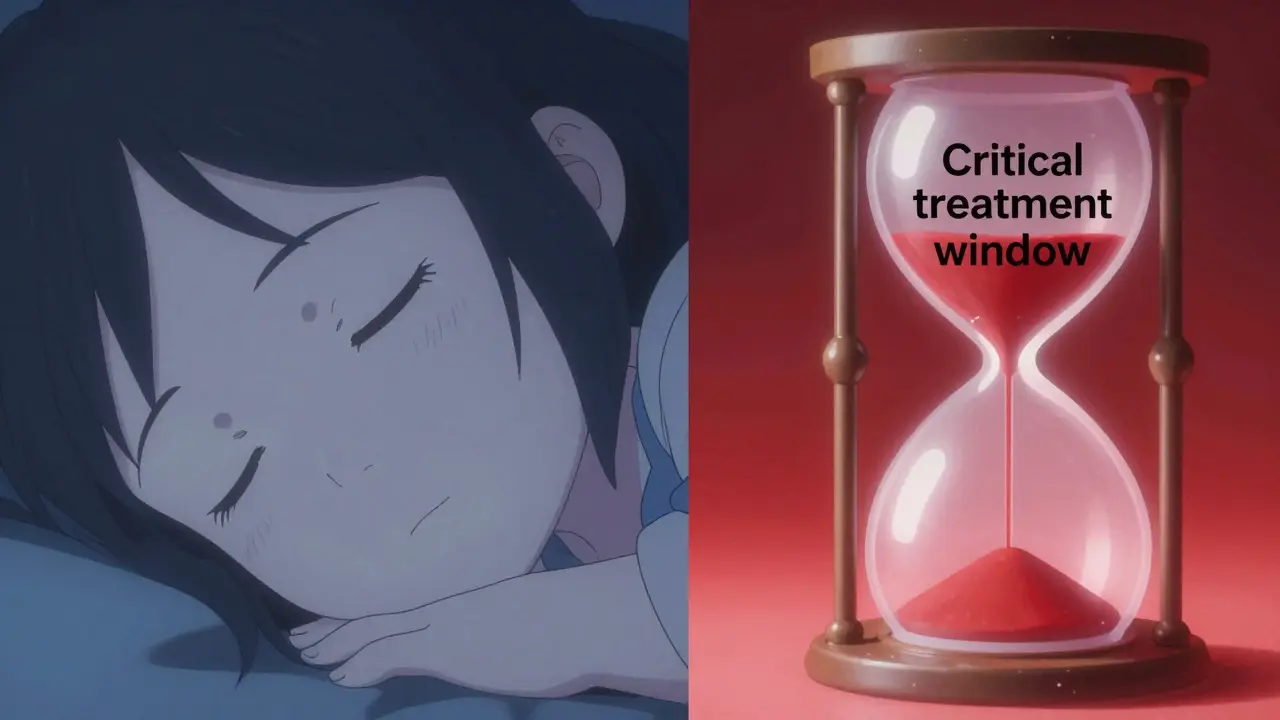
Time is the most valuable resource in an overdose scenario. For some drugs, a delay of a few hours can be the difference between a full recovery and permanent disability.Take acetaminophen as the prime example. Doctors use a treatment called N-acetylcysteine (NAC) to stop liver damage. If NAC is given within 8 hours of the overdose, it is nearly 100% effective. However, once that window pushes past 16 hours, the effectiveness drops to around 40%. This is why the "silent window" of acetaminophen is so dangerous-parents think the child is fine because they aren't vomiting, while the liver is actively failing.
Similarly, with opioids, the risk of brain damage increases every minute the brain is deprived of oxygen due to slowed breathing. This is why physical stimulation-like rubbing your knuckles hard against the child's sternum (breastbone)-is used by emergency responders to check for responsiveness. If the child doesn't react to that level of pain, they are in a critical state.
Preventing the Next Accident
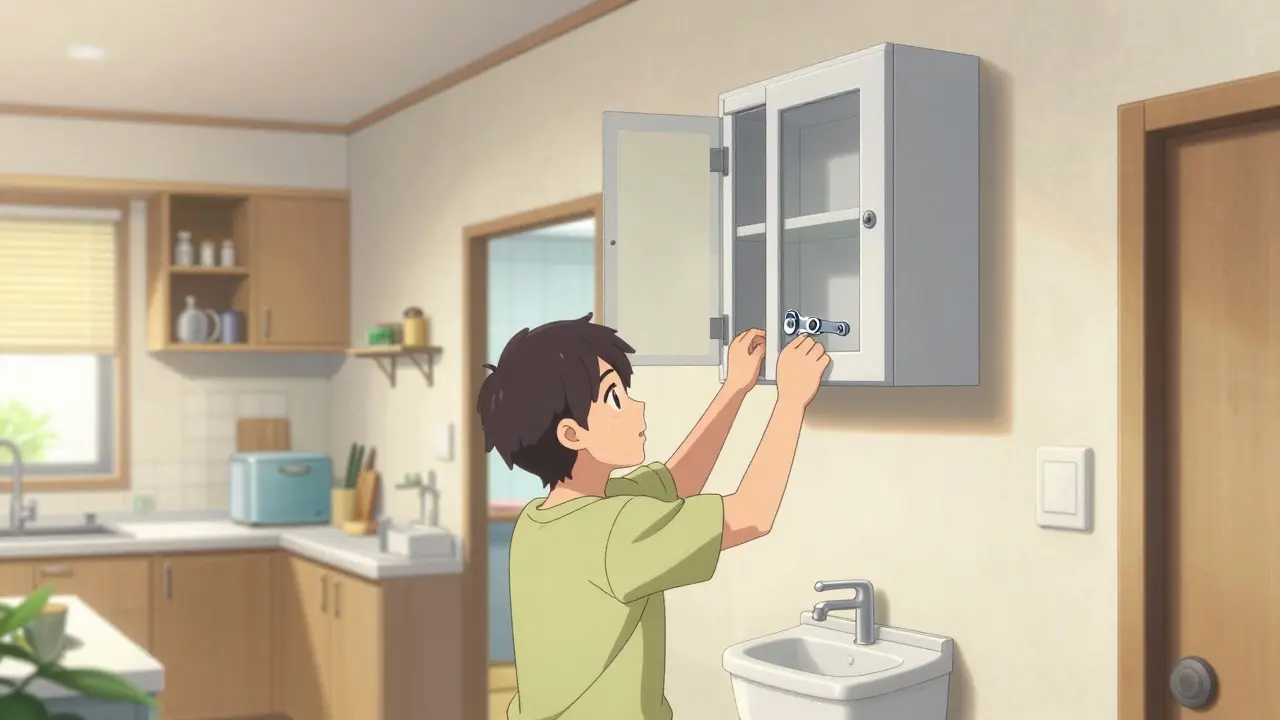
Most pediatric poisonings happen right at home, often because of a simple misunderstanding or a lapse in storage. Preventing these accidents requires more than just a "child-proof" cap.First, rethink your storage. Child-resistant packaging is a great tool, but it isn't a vault. About 20% of poisonings still happen despite these caps. The only truly safe place for medication is a locked cabinet, preferably high up and out of sight. If you have visitors bringing grandchildren, be extra vigilant; children are often more curious in new environments.
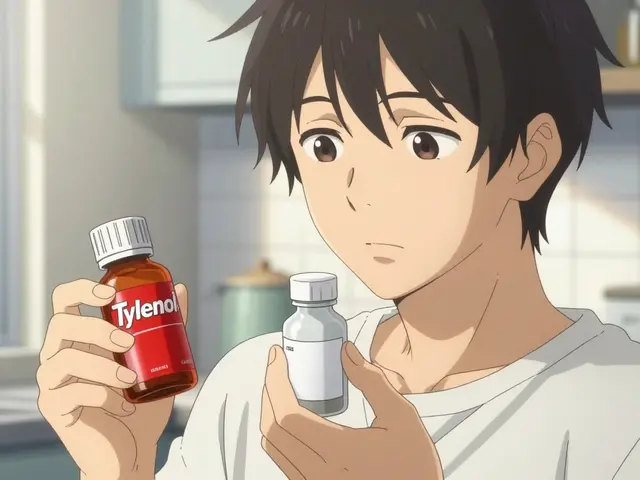
Second, watch out for "ingredient overlap." A common cause of accidental overdose is when a parent gives a child a cold medicine and a separate pain reliever, not realizing both contain acetaminophen. Always read the active ingredients on every label. If two products list the same drug, you are risking a double dose.
Finally, be careful with your language. Never refer to medicine as "candy" to get a child to take it. This creates a dangerous mental link in the child's mind, making them believe that colorful pills or sweet syrups are treats to be hunted for when adults aren't looking.
What should I do if I find an empty pill bottle but my child seems fine?
Call Poison Control immediately. Some medications, especially acetaminophen, do not show symptoms for 24 hours, but the internal damage starts immediately. Waiting for symptoms to appear can make the treatment far less effective or even impossible.
Can I give my child syrup of ipecac to make them vomit?
No. Modern medical guidelines strongly advise against inducing vomiting unless specifically told to do so by a medical professional or Poison Control. Some substances can cause more damage to the esophagus if they are vomited back up, and inducing vomiting can lead to aspiration (getting the substance into the lungs).
How do I know if my child is having a reaction or an overdose?
A reaction (like an allergy) usually manifests as hives, swelling of the face/lips, or immediate wheezing. An overdose typically affects the central nervous system, causing extreme sleepiness, pinpoint pupils, or abnormal hyperactivity and seizures. If you aren't sure, treat it as an overdose and call emergency services.
Are herbal remedies and vitamins safe from overdose?
Absolutely not. Many herbal remedies and vitamins (especially those containing iron) can be toxic to children in high doses. Iron overdose, in particular, can be fatal for toddlers. Always treat supplements with the same caution as prescription drugs.
What information should I have ready when calling Poison Control?
Have the medication bottle in your hand. Be ready to provide the exact name of the drug, the strength (e.g., 500mg), the approximate amount you think was taken, the child's approximate weight, and the time the ingestion happened.
Next Steps and Troubleshooting
If you've had a close call, the best next step is to perform a "home safety sweep." Get down on your hands and knees and look at your house from a child's eye level. You'll be surprised at what you find-a stray pill under the couch or a bottle of vitamins left on a low coffee table.For those who frequently administer liquid medications, invest in a standardized oral syringe. Avoid using kitchen spoons, as they vary wildly in size and frequently lead to dosing errors. If you are caring for a child with complex needs and multiple medications, keep a written log of every dose given, including the time and exact amount, to prevent accidental double-dosing by different caregivers.



Write a comment
Your email address will be restricted to us