
It starts with a sting. Then the heat rises. Within minutes, red, raised welts appear on your skin, itching so intensely that you can’t stop scratching. This is urticaria, commonly known as hives or nettle rash. It is not just an annoyance; it is a visible sign that your immune system has gone into overdrive.
About one in five people will experience this condition at some point in their lives. For most, it fades quickly. But for others, it becomes a long-term battle that disrupts sleep, work, and daily life. Understanding what drives these outbreaks and how to manage them effectively is the key to getting your life back.
What Is Urticaria and Why Does It Happen?
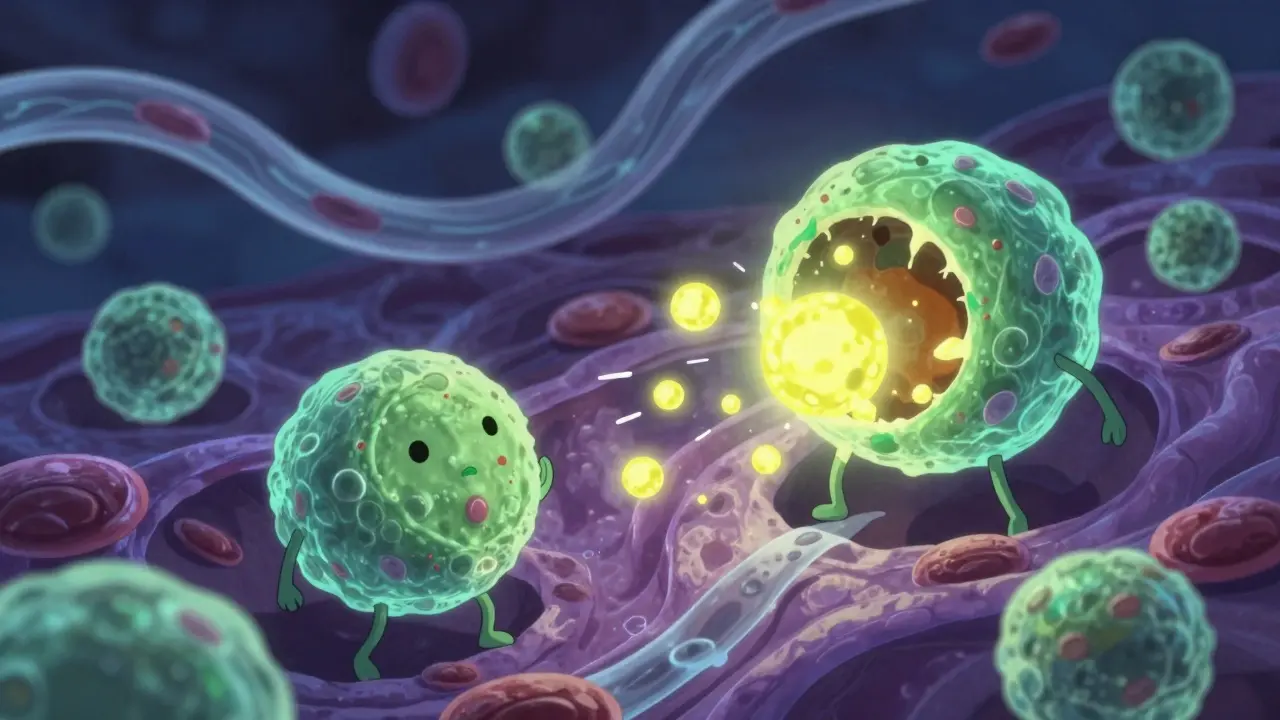
To understand hives, you have to look under the skin. The culprit is a type of immune cell called a mast cell. These cells are scattered throughout your body, acting like sentinels. When they detect a threat-whether real or imagined-they release chemicals stored inside them. The most important of these is histamine.
When histamine floods into your surrounding tissues, it causes blood vessels to widen (vasodilation) and become leaky. Fluid leaks out into the skin, creating those characteristic raised bumps, or wheals. This process happens fast, which is why hives can appear suddenly. The good news? Individual hives usually disappear within 24 hours without leaving a mark. However, new ones may pop up elsewhere, keeping the cycle going.
| Type | Duration | Common Causes | Treatment Focus |
|---|---|---|---|
| Acute Urticaria | Less than 6 weeks | Infections, foods, medications | Identify and avoid trigger |
| Chronic Urticaria | More than 6 weeks | Autoimmune factors, unknown origins | Symptom control and escalation therapy |
The distinction between acute and chronic cases matters significantly. Acute urticaria lasts less than six weeks and often follows a clear trigger, such as a viral infection or a specific food. Chronic urticaria persists beyond six weeks. In about 70-80% of chronic cases, no external trigger is found. This is called chronic spontaneous urticaria (CSU). Instead, the body’s own immune system appears to be driving the mast cells to release histamine unnecessarily.
Common Triggers: What Sets Off Your Hives?
If you have acute hives, finding the trigger is step one. Common culprits include:
- Foods: Nuts, shellfish, eggs, and milk are frequent offenders, especially in children.
- Medications: Antibiotics like penicillin, NSAIDs such as ibuprofen, and aspirin can provoke reactions.
- Infections: Viral infections like the common cold or flu are leading causes of acute hives in kids.
- Physical Stimuli: Pressure, cold, heat, sunlight, or vibration can cause physical urticarias. For example, dermatographism occurs when lightly scratching the skin raises a welt along the scratch line.
For those with chronic spontaneous urticaria, the search for a single trigger often ends in frustration. Studies show that only a small percentage of CSU cases are linked to allergies. Instead, factors like stress, hormonal changes, or underlying autoimmune conditions play a larger role. Keeping a symptom diary can help identify patterns, even if a definitive cause remains elusive.
Antihistamines: The First Line of Defense
Since histamine drives the symptoms, blocking its effects is the logical solution. This is where antihistamines come in. They work by binding to histamine receptors on your cells, preventing histamine from attaching and triggering inflammation.
Not all antihistamines are created equal. Doctors generally recommend second-generation antihistamines as the first choice. These include cetirizine (Zyrtec), loratadine (Claritin), and fexofenadine (Allegra). Unlike older first-generation drugs like diphenhydramine (Benadryl), these newer options do not cross the blood-brain barrier easily. This means they relieve itching and swelling without causing significant drowsiness.
However, standard doses might not be enough for everyone. Recent guidelines suggest that patients with chronic urticaria can safely take up to four times the standard dose of second-generation antihistamines. For instance, instead of one 10mg tablet of cetirizine, a doctor might prescribe 40mg daily. This approach controls symptoms in about half of chronic cases.
When Antihistamines Aren't Enough: Advanced Therapies
If high-dose antihistamines fail to bring relief, it is time to escalate treatment. You are not alone in this; many patients move to the next tier of care.
Omalizumab (Xolair): This biologic drug targets IgE, a protein involved in allergic reactions. Approved for chronic idiopathic urticaria, it is administered via injection every four weeks. Clinical trials show it achieves complete symptom control in a significant portion of patients who did not respond to antihistamines. While effective, it comes with a higher cost and requires regular clinic visits.
Cyclosporine: An immunosuppressant used for severe, resistant cases. It works by calming the overactive immune response. However, it carries risks like kidney damage and high blood pressure, requiring careful monitoring.
Remibrutinib: A newer option approved in early 2024, this oral tyrosine kinase inhibitor offers a non-injectable alternative for treatment-resistant cases. Early data suggests good adherence rates due to its pill format.
Corticosteroids like prednisone provide rapid relief but should only be used for short bursts (3-5 days). Long-term use leads to serious side effects, including bone thinning, weight gain, and mood swings.

Managing Daily Life with Hives
Living with urticaria requires patience and strategy. Here are practical steps to improve your quality of life:
- Wear Loose Clothing: Tight fabrics rub against the skin, potentially triggering physical hives or worsening existing ones. Opt for cotton or breathable materials.
- Keep Cool: Heat exacerbates itching. Take lukewarm showers rather than hot ones, and keep your bedroom cool at night.
- Use Moisturizers: Dry skin is more prone to irritation. Apply fragrance-free moisturizers regularly to strengthen your skin barrier.
- Track Symptoms: Use a journal or app to log when hives appear, what you ate, and your stress levels. Over time, patterns may emerge.
- Avoid Known Irritants: If NSAIDs or alcohol trigger your hives, eliminate them from your routine.
Mental health also plays a crucial role. The constant itch and visible nature of hives can lead to anxiety and depression. Seeking support from patient groups or mental health professionals is a valid and important part of treatment.
When to See a Doctor
You should seek immediate medical attention if hives are accompanied by:
- Swelling of the lips, tongue, or throat
- Difficulty breathing or wheezing
- Dizziness or fainting
- Nausea or vomiting
These signs indicate anaphylaxis, a life-threatening allergic reaction. Call emergency services immediately.
For persistent hives lasting more than two weeks, schedule an appointment with an allergist or dermatologist. They can help rule out other conditions, confirm the diagnosis, and create a personalized treatment plan. Remember, while there is no cure for chronic spontaneous urticaria, it is highly manageable. With the right combination of medication and lifestyle adjustments, most people achieve full symptom control.
How long do hives typically last?
Individual hives usually fade within 24 hours, though new ones may appear. Acute urticaria resolves within six weeks. Chronic urticaria lasts longer than six weeks and may persist for months or years before going into remission.
Can antihistamines make you sleepy?
First-generation antihistamines like Benadryl often cause drowsiness. Second-generation options like Zyrtec, Claritin, and Allegra are designed to be non-sedating, making them safer for daytime use.
Is urticaria contagious?
No, hives themselves are not contagious. However, if an infection triggered the hives, the underlying infection might be transmissible.
What foods should I avoid if I have hives?
There is no universal diet for hives. Avoid foods that you personally suspect trigger outbreaks. Common allergens include nuts, shellfish, eggs, and dairy. Some people find that reducing histamine-rich foods (like aged cheeses or fermented products) helps.
Does stress cause hives?
Stress does not directly cause hives, but it can worsen existing urticaria or lower the threshold for flare-ups. Managing stress through relaxation techniques can be a helpful adjunct to medical treatment.