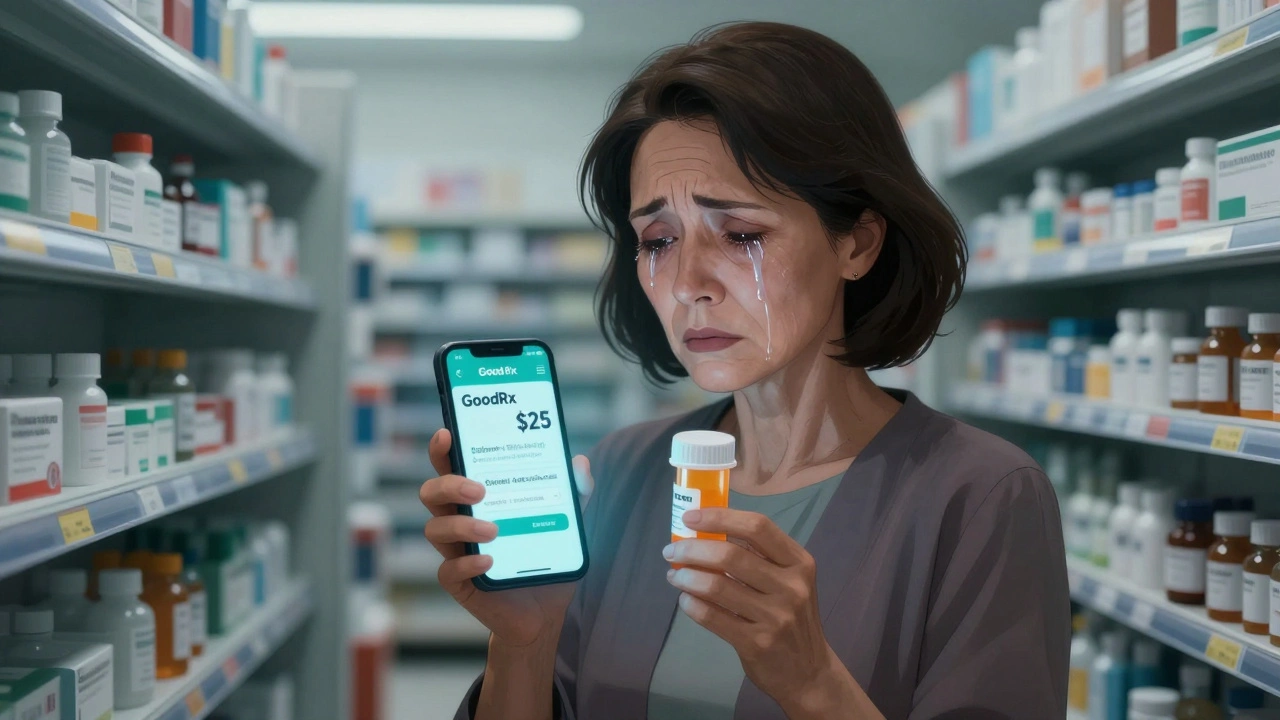
Every year, 1 in 5 Americans skip doses, split pills, or don’t fill prescriptions because they can’t afford their meds. It’s not laziness. It’s not forgetfulness. It’s money. And it’s killing people.
Imagine you’re on insulin. Your copay is $800 a month. You have insurance. But that’s still more than your rent. So you ration. You take half. You stretch it. You hope your blood sugar holds. You’re not alone. One in four Medicare beneficiaries pay more than $350 a month out of pocket for meds. That’s not a typo. That’s real life.
Why Cost Stops People From Taking Their Medicine
It’s not just high prices. It’s the whole system. Copays. Deductibles. Coinsurance. Tiered formularies. One pill might cost $10. Another, just as essential, costs $500 - even if they treat the same condition. And if your insurance doesn’t cover it well? You’re stuck.
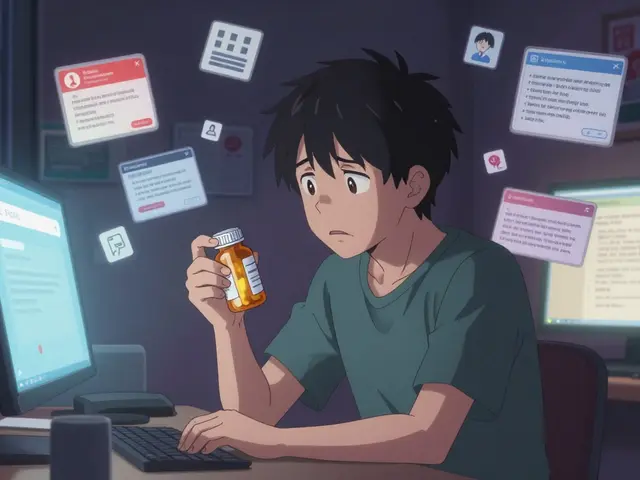
Studies show that when copays go over $50, adherence drops by 15-20%. For people with heart disease, diabetes, or high blood pressure, even small cost increases mean skipping doses. That’s not a choice. That’s survival. People are choosing between medicine and food, heat, or bus fare to work.
And it’s not just the poor. Middle-income families are getting crushed too. A 2022 survey found 18% of all U.S. adults didn’t fill a prescription because of cost. Even with Medicare, 14.4% of seniors cut back on meds. And those numbers are rising. Out-of-pocket drug spending hit $63 billion in 2021 - up 4.8% from the year before.
The Real Cost of Not Taking Your Meds
Skip a pill once? Maybe you feel fine. Skip it for weeks? That’s when things break down.
Medication non-adherence causes around 125,000 deaths in the U.S. every year - more than car accidents. It leads to hospitalizations, emergency visits, and permanent damage. For someone with high blood pressure, missing doses can trigger a stroke. For diabetics, it can mean amputations. For heart patients, it’s heart failure.
The financial toll is even worse. Non-adherence costs the U.S. healthcare system between $100 billion and $300 billion a year in avoidable care. That’s billions spent treating problems that could’ve been prevented with a $10 pill.
And here’s the cruel part: the people hit hardest are the ones least able to absorb the shock. Low-income individuals, women, Black and Hispanic communities, and younger adults are far more likely to skip meds because of cost. It’s not just about money - it’s about power. The system is designed so that the most vulnerable pay the most.
What You Can Do Right Now to Lower Your Costs
You don’t have to suffer in silence. There are real, proven ways to cut your drug costs - and you don’t need a lawyer or a nonprofit to help.
- Ask your doctor for a generic. In 2022, the FDA approved over 1,100 generic drugs. Generics are chemically identical to brand-name pills - but cost 80-85% less. If your doctor prescribes a brand, say: “Is there a generic version?”
- Use GoodRx or SingleCare. These apps show you the lowest cash price at pharmacies near you. Sometimes, the cash price is cheaper than your insurance copay. One user saved $400 on her blood thinner just by checking GoodRx.
- Ask for a 90-day supply. Many insurers charge the same copay for a 30-day or 90-day supply. That means you pay less per pill. Mail-order pharmacies often offer even bigger discounts.
- Request samples. About 32% of patients who ask their doctor for free samples get them. Don’t be shy. Say: “I’m struggling with the cost. Do you have any samples I can try?”
- Check for patient assistance programs. Drug makers like Novo Nordisk, Eli Lilly, and Sanofi offer free or low-cost meds to people who qualify. Income must be under 400% of the federal poverty level - that’s $55,520 for one person in 2023. You can apply directly through the manufacturer’s website or use Partnership for Prescription Assistance to find the right program.
One woman with type 2 diabetes was paying $500 a month for insulin. After enrolling in her manufacturer’s program, her cost dropped to $25. Her adherence jumped from 60% to 95%. That’s not magic. That’s access.
Medicare Changes in 2025 - What You Need to Know
If you’re on Medicare, the Inflation Reduction Act is changing things - for the better.
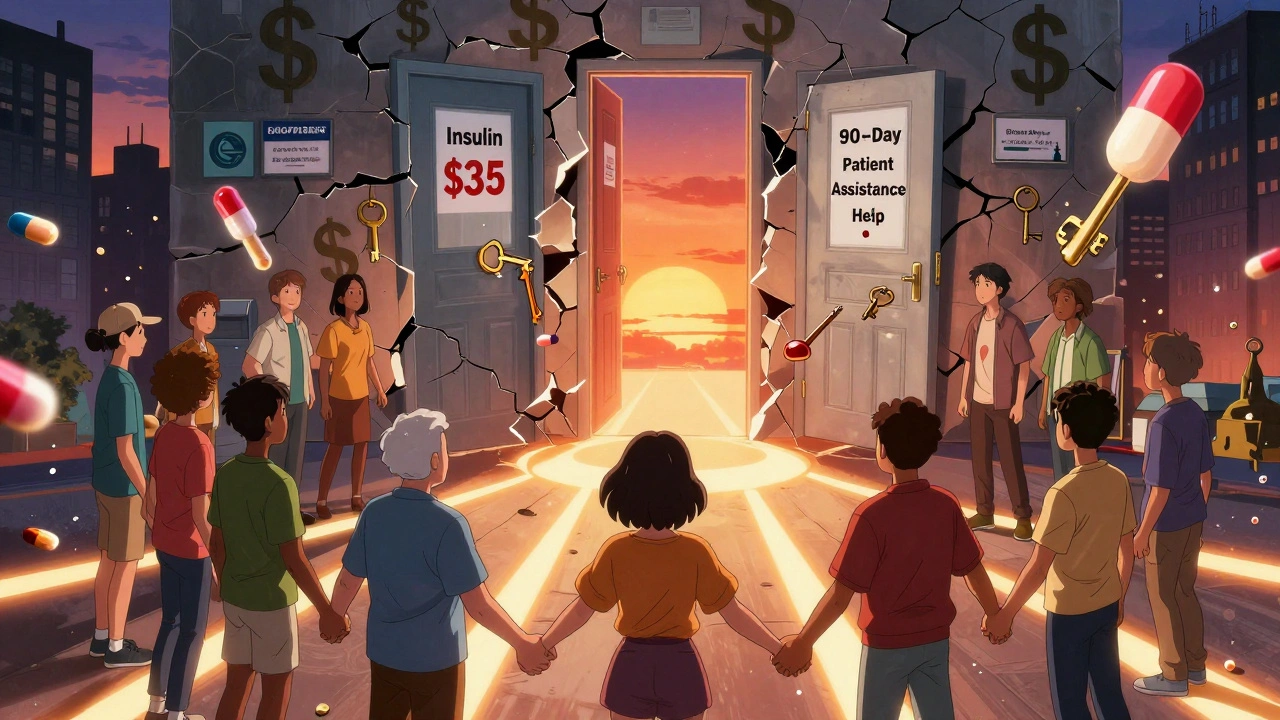
- Insulin is capped at $35 per month. No more $300 bills. This applies to all Medicare Part D plans starting in 2023 - and will soon extend to private insurance too.
- Your total out-of-pocket drug costs are capped at $2,000 a year. Starting in 2025, you won’t pay more than that, no matter how many meds you need.
- The donut hole is gone. No more coverage gap. You get continuous discounts once you hit the initial coverage limit.
- Monthly payment plans are coming. The new Medicare M3P program lets you pay for expensive meds in installments instead of one big bill.
These aren’t just policy changes. They’re life-saving fixes. But they don’t cover everything. If you’re under 65 and on private insurance, you still need to fight for affordability.
How to Talk to Your Doctor About Cost
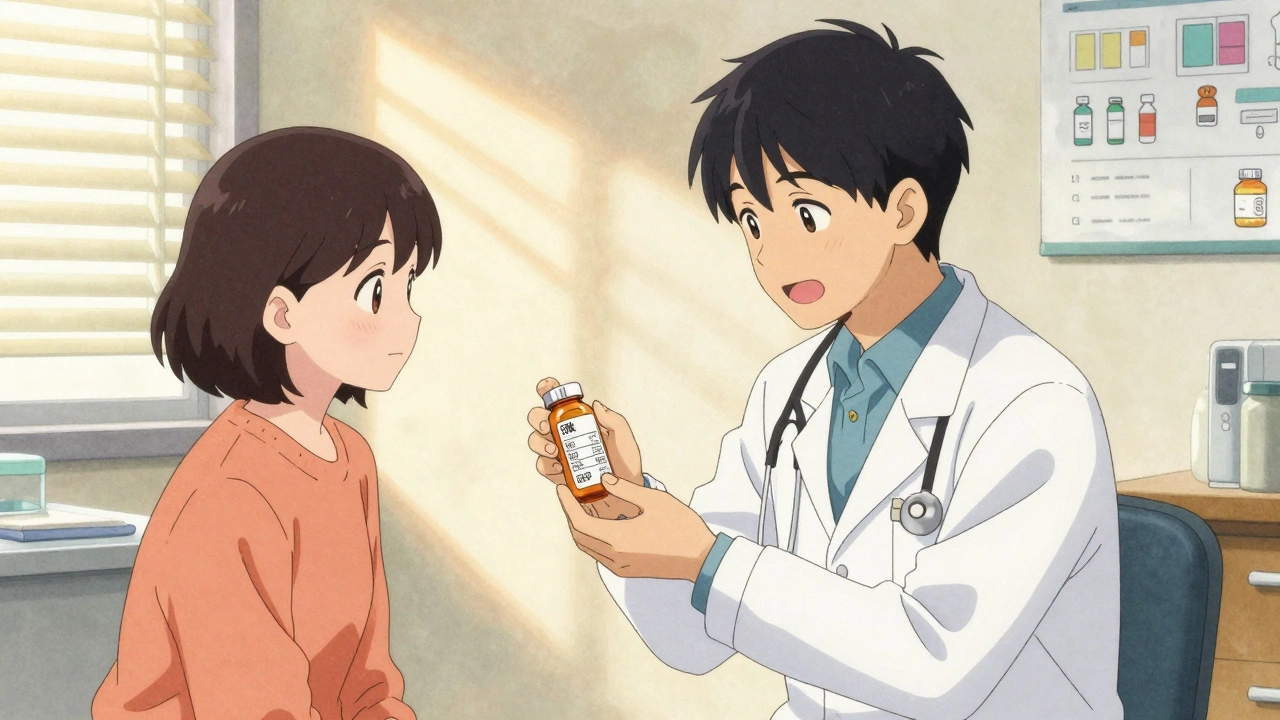
Doctors want you to take your meds. But many don’t know how much they cost. That’s why 65% of physicians now ask about cost - up from 42% in 2019.
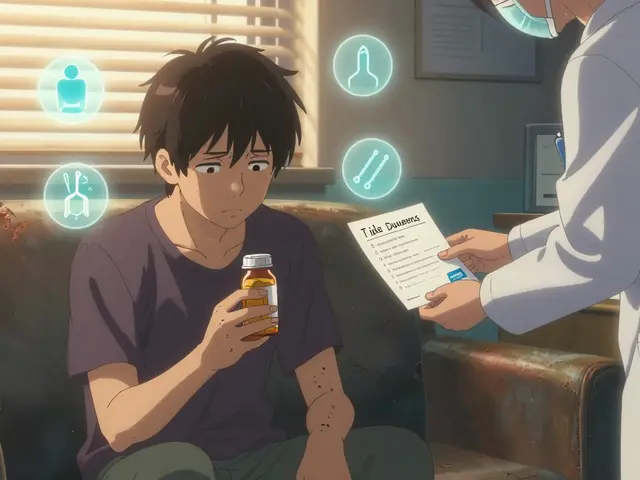
Don’t wait until you’re skipping doses. Bring it up at your next appointment. Say:
- “I’m having trouble affording this prescription. Are there cheaper options?”
- “Is this drug on my insurance’s lowest tier?”
- “Can we try a generic or a different medication with the same effect?”
Doctors can check formularies in real time. Some clinics use real-time benefit tools that show you the exact price before they write the script. If yours doesn’t, ask if they can. It’s becoming standard - and you deserve it.
What’s Still Broken - And What’s Coming
Even with all these fixes, the system is still broken. Insulin list prices rose 368% between 2007 and 2017. No production cost increase. Just greed. And while generics are helping, many newer drugs - especially for cancer or rare diseases - still cost tens of thousands a year.
Real-time cost tools aren’t perfect. One study found that 37% of estimated prices from these tools were off by more than $10. That’s enough to make someone skip a dose.
Drug spending is projected to hit $1.1 trillion by 2031. Without structural reform, 1 in 5 Americans will still be choosing between medicine and rent.
But change is happening. More doctors are talking about cost. More patients are demanding it. More states are passing laws to cap insulin prices. And more programs are popping up to help.
You’re not powerless. You just need to know where to look.
Where to Find Help - Quick Reference
- GoodRx - Compare cash prices nationwide. Free app. goodrx.com
- SingleCare - Discount cards at over 70,000 pharmacies. singlecare.com
- Partnership for Prescription Assistance - Connects you to manufacturer programs. pparx.org
- Medicare Extra Help - Low-income seniors get up to $5,000/year in drug cost help. Apply at ssa.gov/extra-help
- NeedyMeds - Database of free and low-cost programs. needymeds.org
Don’t wait until you’re sick. Don’t wait until you’re desperate. Start today. Call your pharmacy. Ask your doctor. Search online. You’re not alone. And you don’t have to pay more than you can afford.
Why do some people still skip meds even with insurance?
Insurance doesn’t mean free. High deductibles, coinsurance, and tiered formularies can still leave patients paying hundreds a month. Many plans only cover certain brands or generics. Even with coverage, a $100 copay for insulin or a heart med can be unaffordable for someone living paycheck to paycheck.
Can I get free medicine if I’m not low-income?
Yes. Some patient assistance programs use income thresholds up to 400% of the federal poverty level - that’s $55,520 for one person. You don’t need to be poor. You just need to be struggling. Many manufacturers also offer coupons or savings cards that work with insurance to lower your copay.
Is it safe to split pills to save money?
Sometimes - but only if your doctor says it’s okay. Some pills are designed to release medicine slowly and shouldn’t be split. Others, like high blood pressure or cholesterol meds, can be safely split. Never split pills without asking your pharmacist or doctor first. It’s not always safe, and it can change how the drug works.
What if my pharmacy says my insurance doesn’t cover my med, but my doctor says it does?
Call your insurance company directly. Ask for the formulary tier and any prior authorization requirements. Sometimes, the pharmacy’s system is outdated, or the drug needs special approval. Your doctor can often submit paperwork to get it covered. Don’t take “no” from the pharmacy without checking.
Are generic drugs really as good as brand-name ones?
Yes. The FDA requires generics to have the same active ingredient, strength, dosage form, and route of administration as the brand-name drug. They must also meet the same strict manufacturing standards. The only differences are in inactive ingredients (like fillers) and packaging. Generics work the same and are just as safe.
Next Steps - What to Do Today
Here’s your action plan:
- Write down every medication you take - including dose and frequency.
- Check the cash price for each on GoodRx or SingleCare. Compare it to your insurance copay.
- Call your doctor and ask: “Can we switch to a generic or lower-cost alternative?”
- Search for your drug’s manufacturer on pparx.org to see if you qualify for help.
- If you’re on Medicare, apply for Extra Help at ssa.gov/extra-help - even if you think you don’t qualify.
You’re not failing. The system is. But you have tools. You have options. And you’re not alone.





Write a comment
Your email address will be restricted to us