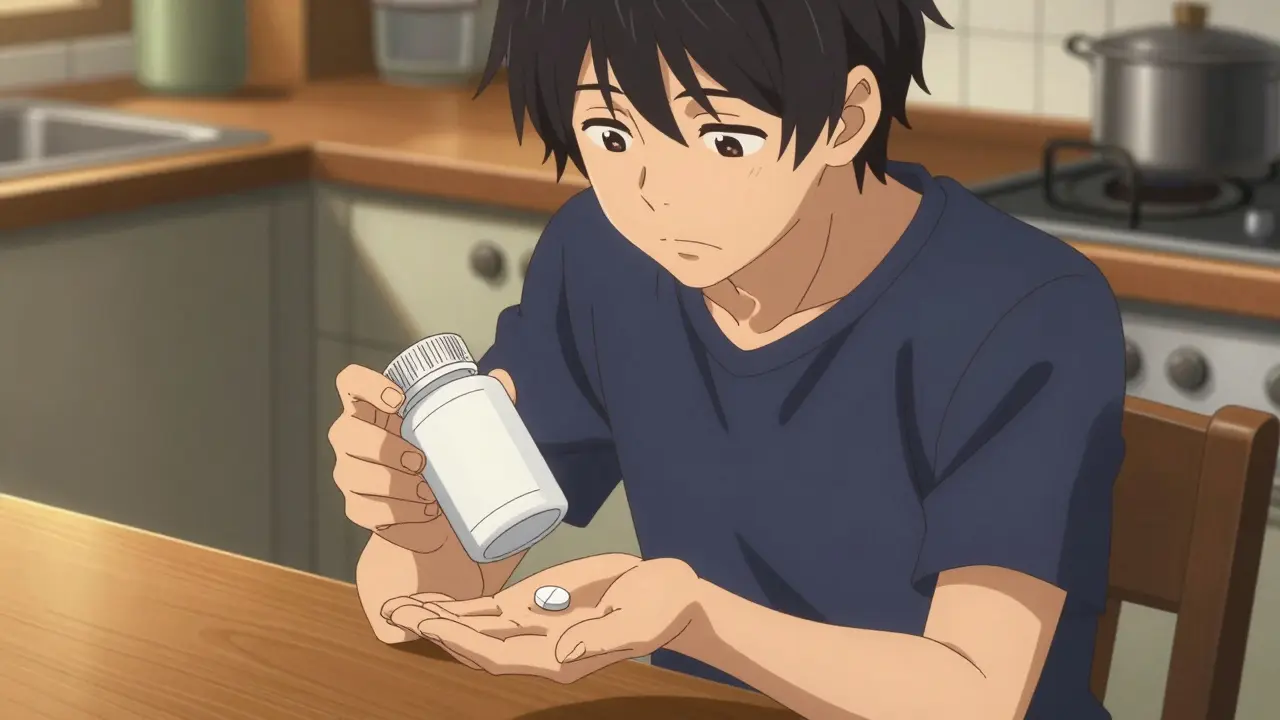
Rising prescription prices hit your wallet hard, leaving many of us wondering if there is a safer way to lower the bill before we even pick up our monthly box from the pharmacy. It sounds too simple to be true, but dividing a higher-dose tablet into two halves is a legitimate cost-cutting strategy used by millions of Americans. While it has been practiced informally for decades, medical authorities like the FDA now offer specific rules on exactly when this technique works and when it could hurt you. If you pay out of pocket for heart medications or blood pressure treatments, understanding the difference between a safe split and a dangerous guess is vital for your health.
The Math Behind Splitting Your Prescription
You might wonder if cutting a pill in half really saves cash, or if pharmacies just price everything evenly. Here is the thing about pharmaceutical pricing: it is rarely linear. A 100mg tablet often costs almost the same as a 50mg version because manufacturing processes don't change much with tiny dose adjustments. For example, data from 2023 pricing shows that splitting a 40mg tablet of atorvastatin to get two 20mg doses saved patients roughly 38% compared to buying two separate 20mg tablets.
However, this savings trick does not work on every single bottle on the shelf. Some manufacturers price their lower-strength versions competitively to encourage adherence, meaning you might find that two smaller pills cost the same as one big one. This inconsistency makes it essential to check the price per milligram before you buy. If your insurance plan covers both strengths equally, you might see $0.12 for a 100mg tablet versus $0.08 for a 50mg equivalent, turning potential savings into a loss. Always calculate the cost per unit of medicine before you hand over your credit card.
Identifying Which Tablets Are Safe to Divide
Not every pill in your cabinet is built to be cut, and trying to split the wrong kind of medication can lead to severe health consequences. The most visible sign of a safe candidate is a score line-a shallow groove pressed into the middle of the tablet. This line indicates the manufacturer designed it to break cleanly along that specific path. Yet, having a score line is not a guarantee that splitting is approved for that specific drug under your unique medical situation.
Certain types of coatings act as barriers to control how quickly the drug releases into your body. You should never attempt to divide extended-release formulations, often labeled as 'XR' or 'ER'. These pills contain complex time-release mechanisms; if you cut one in half, the entire remaining dose dumps into your system immediately, causing a potentially dangerous spike in drug levels. Similarly, enteric-coated tablets have a special shell designed to survive stomach acid and dissolve in the intestines. Cutting through this shell destroys the protection, leading to side effects like nausea or irritation.
Beyond the coating, some medicines have what doctors call a narrow therapeutic index. This means the range between a helpful dose and a toxic one is very small. Drugs like Warfarin, Digoxin, and Levothyroxin fall into this category. A variation of just 10% in the amount you swallow could alter your blood clotting or thyroid function dangerously. Medical experts emphasize that if your medication falls into these high-risk categories, precision tools alone won't fix the underlying risk.
Picking the Right Tool for the Job
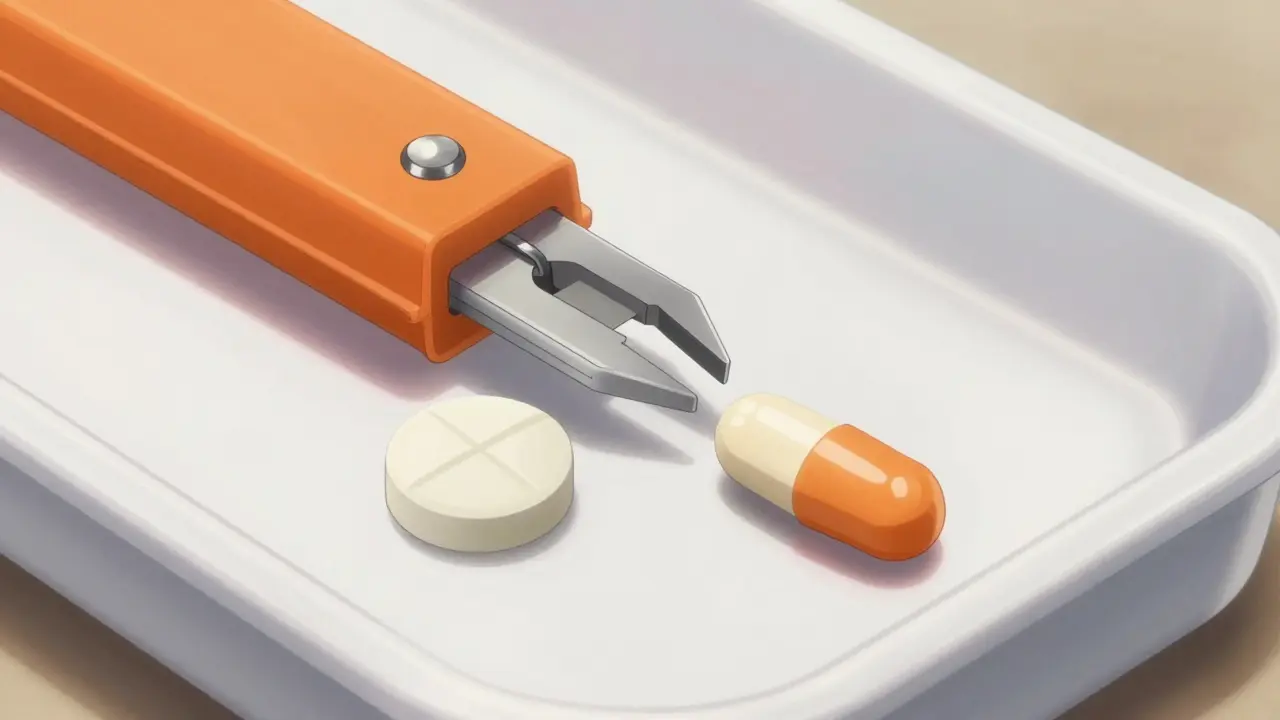
If you confirm with your pharmacist that splitting is safe, your choice of tool changes everything regarding the accuracy of your dose. Using a kitchen knife or your teeth introduces massive errors into your daily dosage. Studies show that manual splitting with household utensils results in uneven pieces where one half weighs significantly less or more than the other, sometimes deviating by over 50%. To achieve dose accuracy within a safe margin, you need a dedicated device.
| Tool Type | Dose Accuracy | Safety Risk | Cost Estimate |
|---|---|---|---|
| Dedicated Pill Splitter | High (within 5-15%) | Low | $3 - $10 |
| Kitchen Knife | Low (variance 25-72%) | High (crumbling, injury) | $0 |
| Fingers/Teeth | Very Low | Very High | $0 |
A proper Pill Splitter uses a V-shaped holder to keep the tablet steady while a retractable blade slices through it. These tools are inexpensive and sold at most major retail pharmacies. Unlike a jagged knife edge, the mechanism ensures the cut goes straight down the center without crushing the tablet. Clean cuts are essential because crumbled edges expose the inner powder to air, degrading the medication faster.
Executing the Split Correctly
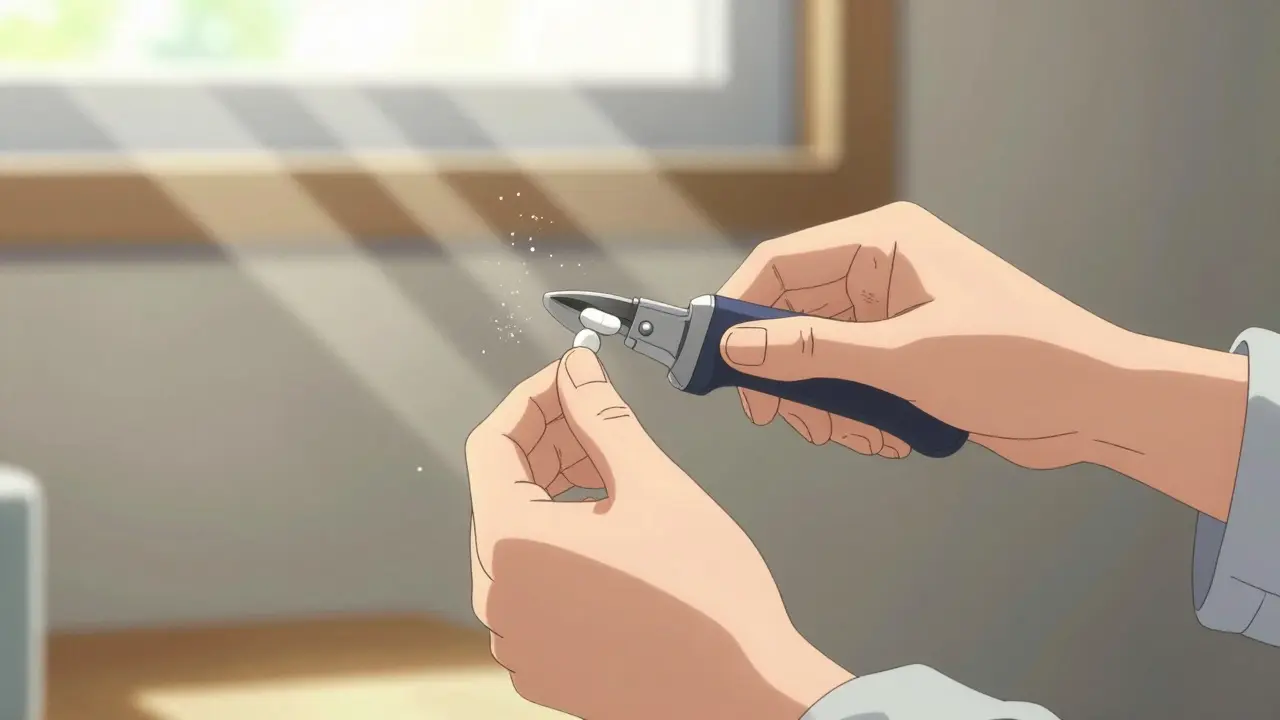
Even with the right tool, technique matters. Do not split your week's supply all at once and store the halves in a bag. Exposure to heat, moisture, and light affects unprotected medication rapidly. Once the coating is gone, humidity can degrade the chemical integrity within 24 to 48 hours. Instead, split the tablet immediately before you take it.
To ensure you get an accurate dose, follow this routine:
- Clean your hands and the splitter blade thoroughly.
- Place the tablet directly on the score line of the splitter tray.
- Apply firm, quick pressure to snap the blade through the tablet.
- Inspect the halves for any crumbling or dust residue.
- Take your half immediately and discard any loose crumbs.
Some users report difficulty getting perfect halves during the first few tries. It takes practice to master the pressure needed to snap the tablet cleanly. If you feel resistance or hear a crackling sound, stop and try again with a fresh tablet rather than forcing a broken piece. Consistency improves with repetition, so set aside a specific time in your morning or evening routine where you are calm and focused.
Alternatives to Cutting Costs
While dividing tablets works for many, it is not a magic solution for everyone's financial struggles. Before you start breaking open bottles, consider discussing alternatives with your doctor or pharmacist. Patient Assistance Programs run by manufacturers often provide free or low-cost medication for qualifying individuals. In some cases, switching to a generic version of your brand-name drug offers immediate savings without the labor of splitting.
If you are struggling specifically due to insurance deductibles, ask about discount cards or coupons like those offered by GoodRx. These tools negotiate lower prices at participating pharmacies, sometimes beating the cost of a split generic pill. Additionally, some clinics offer sample packs that allow you to test different dosage strengths before committing to a purchase.





Write a comment
Your email address will be restricted to us