
When someone is prescribed medication for depression, bipolar disorder, or schizophrenia, the goal is simple: take it as directed. But too often, that doesn’t happen. Medication non-adherence in mental health isn’t just a minor oversight-it’s a silent crisis. Around 40% to 60% of people with serious mental illness don’t take their meds as prescribed. That’s more than half the population falling through the cracks. And the consequences? Hospitalizations, relapses, lost jobs, broken relationships, and even death. The CDC says non-adherence contributes to 125,000 deaths in the U.S. every year. This isn’t about laziness or forgetfulness. It’s about systems, stigma, and structural failures.
Why People Stop Taking Their Medication
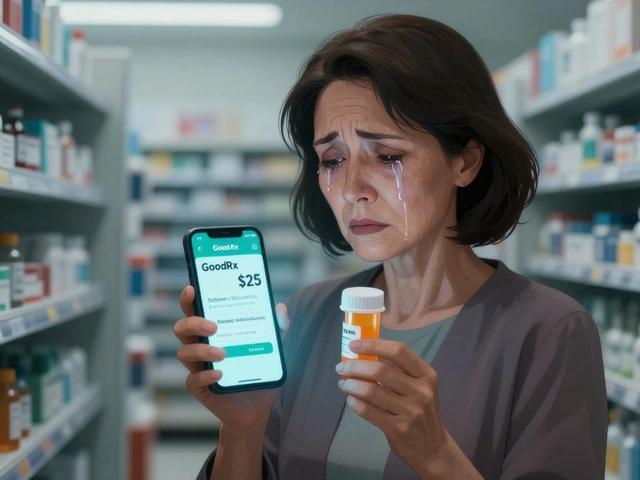
It’s easy to assume people skip pills because they feel fine. But the reality is more complex. Many stop because the meds make them feel worse-weight gain, drowsiness, tremors, or emotional numbness. Others don’t believe they’re sick. Schizophrenia, for example, often robs people of insight. If you don’t think you need help, why take a pill? For some, the cost is too high. A single antipsychotic can run $300 a month without insurance. For those on fixed incomes or without coverage, that’s food or rent.
Complex dosing schedules make it worse. Taking three pills at different times a day? That’s hard to remember. One study found that 87% of patients who switched to once-daily dosing stuck with it-compared to just 52% on multiple daily doses. Yet, 73% of providers never even brought up simplifying the regimen. And then there’s stigma. People hide their meds. They don’t want to be labeled. They fear judgment from coworkers, family, or even their own doctors.
The Real Solution: Pharmacist-Led Care
There’s one intervention that consistently outperforms all others: pharmacists working directly with patients and psychiatrists. Not just handing out pills. Not just reading labels. But having real conversations. A 2025 study in Frontiers in Psychiatry compared two groups: one with standard care, and one with a pharmacist-psychiatrist team. The team met weekly with patients, reviewed side effects, adjusted doses, and created personalized action plans. The result? A 142% greater improvement in adherence than usual care. That’s not a small bump-it’s a game-changer.
Pharmacists don’t just know drugs. They know how people live. They notice when a patient says, “I can’t afford this,” and help find coupons, patient assistance programs, or generics. They track refill patterns. They spot when someone hasn’t picked up a prescription in 30 days-and call before it becomes a crisis. In Kaiser Permanente’s Northern California program, pharmacist-led care led to a 32.7% jump in adherence and 18.3% fewer hospitalizations in just 90 days.
What Doesn’t Work (And Why)
Text reminders? They help a little-maybe a 2% boost. App-based trackers? Same thing. Digital tools are nice, but they don’t fix the root problems. If someone can’t afford their meds, no app will make them buy them. If they’re terrified of side effects, a push notification won’t ease their fear. A 2024 review found that 63% of clinics that tried to add pharmacists to teams quit within a year because it disrupted workflows. Too many systems still treat adherence as a patient’s job-not a team effort.
Even well-intentioned programs fail when they ignore context. A homeless person with schizophrenia might not have a fridge to store pills. Or a phone to get reminders. Or a safe place to take them without being judged. Generic adherence campaigns miss these realities. The most successful programs don’t just tell people to take their meds-they ask: What’s stopping you?

Simplifying the Regimen
One of the simplest fixes? Fewer pills. Reducing daily doses from three to one can double adherence. Long-acting injectables are another powerful tool. A 2023 JAMA Psychiatry study showed 87% of patients on monthly injections stayed adherent, compared to just 56% on daily pills. That’s not magic-it’s practical. No daily routine. No missed doses. Just one visit a month. Yet, only 1 in 5 eligible patients get offered this option. Providers often assume patients won’t like shots. But when asked, most say they prefer them.
And it’s not just about the drug-it’s about the schedule. A once-daily pill taken in the morning is easier to remember than three pills spaced out over 12 hours. Pharmacists can work with psychiatrists to switch to simpler regimens without losing effectiveness. In fact, 87% of patients who got simplified schedules stayed on them. But again-only if someone asks.
Cost and Access Are the Biggest Barriers
Insurance doesn’t always cover mental health meds the same way it covers diabetes or high blood pressure. A 2025 survey from NAMI found that 64% of patients couldn’t access pharmacist-led care because their insurance wouldn’t pay for it. That’s not a clinical issue-it’s a policy failure. Meanwhile, Medicare and Medicaid are starting to tie payments to adherence. CMS now uses the Proportion of Days Covered (PDC) metric, requiring 80% adherence for antipsychotic meds to meet quality benchmarks. But if providers aren’t paid to do the work, they won’t do it.
Private insurers like UnitedHealthcare are starting to link 12% of provider pay to adherence targets. That’s a step forward. But it only works if pharmacists are part of the team-and if patients can actually see them. In many areas, there’s one psychiatric pharmacist for every 10,000 patients.

What Needs to Change
Improving adherence isn’t about better apps or more pamphlets. It’s about redesigning care. Here’s what works, based on real data:
- Integrate pharmacists into mental health teams. They’re not just dispensers-they’re problem-solvers.
- Simplify dosing. Push for once-daily options and long-acting injections.
- Address cost upfront. Don’t wait for a patient to say they can’t afford it. Ask before prescribing.
- Use data to predict risk. Who missed two appointments? Who hasn’t refilled in 45 days? Target them.
- Train providers. Too many psychiatrists get zero training in adherence strategies. That needs to change.
Systems that do this see results. One health system in Minnesota cut hospital readmissions by 40% in two years by embedding pharmacists into outpatient clinics. Another in Texas boosted adherence from 51% to 79% in 18 months by offering free medication delivery and weekly check-ins.
The Bigger Picture
This isn’t just about pills. It’s about dignity. It’s about people being able to hold a job, reconnect with family, or sleep through the night. When someone with bipolar disorder stays on their meds, they’re not just avoiding a manic episode-they’re showing up for their kid’s recital. When someone with depression takes their antidepressant, they’re not just managing symptoms-they’re going back to work.
And yet, we treat this like a personal failure. We blame the patient. We say they’re “non-compliant.” But compliance implies obedience. What we need is partnership. We need systems that meet people where they are-not where we wish they were.
The tools exist. The evidence is clear. What’s missing is the will to change. Until we treat medication adherence as a core part of mental health care-not an afterthought-we’ll keep seeing the same cycle: diagnosis, prescription, dropout, crisis, repeat.
Why do people with schizophrenia often stop taking their meds?
Many people with schizophrenia experience anosognosia-a lack of awareness that they’re ill. They don’t feel like they need medication. Others stop because of side effects like weight gain, drowsiness, or movement disorders. Cost and stigma also play major roles. A 2023 study found that only about 50% of patients with schizophrenia stay adherent, far below the 80% needed for optimal outcomes.
Can long-acting injectables really improve adherence?
Yes. A 2023 study in JAMA Psychiatry showed that 87% of patients on monthly injectable antipsychotics stayed adherent, compared to just 56% on daily oral pills. These injections eliminate the need to remember daily doses, reduce stigma, and ensure consistent drug levels. Yet, less than 20% of eligible patients are offered this option.
Do apps and reminders help with medication adherence?
They help a little-about a 1.8% to 2% increase in adherence-but they don’t fix the core issues. If someone can’t afford their meds, can’t tolerate side effects, or lacks stable housing, a text reminder won’t help. Real improvement comes from human connection, cost support, and simplified regimens-not digital tools alone.
Why don’t more clinics use pharmacists for mental health?
Many clinics lack funding, training, or workflow space to integrate pharmacists. A 2024 study found 63% of centers that tried adding pharmacists faced major disruptions and quit within a year. Insurance doesn’t always cover pharmacist services, and providers aren’t incentivized to use them. But when systems do commit-like Kaiser Permanente-they see big drops in hospitalizations and big jumps in adherence.
How can patients improve their own adherence?
Ask your provider about simplifying your regimen-switching to once-daily meds or long-acting injections. Talk openly about side effects and cost. Don’t be afraid to say, “I can’t afford this.” Many pharmaceutical companies offer free or low-cost programs. Connect with a pharmacist if available. And if you’re struggling, reach out to organizations like NAMI-they can help you find support.







Write a comment
Your email address will be restricted to us