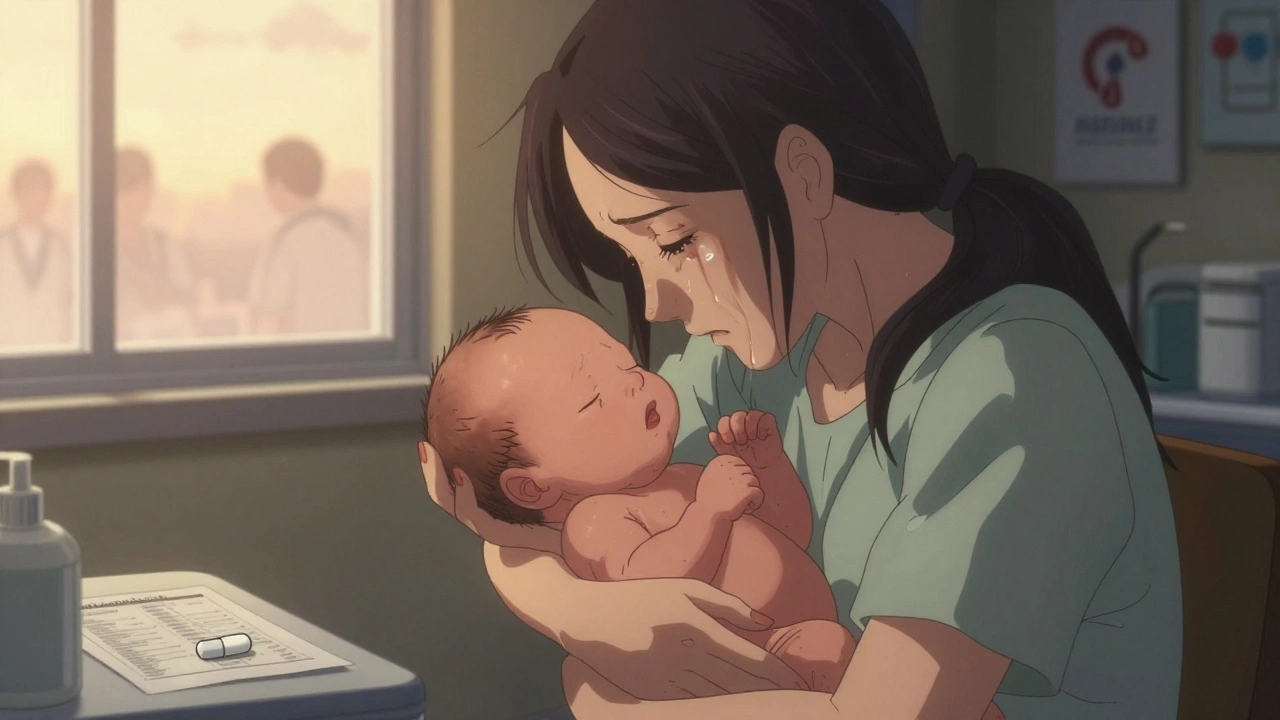
Thalidomide is one of the most infamous drugs in medical history-not because it doesn’t work, but because it works too well in the wrong place. In the late 1950s, this little white pill was sold as a safe, gentle solution for morning sickness and insomnia. Pregnant women took it without a second thought. By 1961, thousands of babies were born with missing or stunted limbs, deafness, blindness, and internal organ damage. The drug didn’t just cause side effects-it rewrote fetal development. And the tragedy didn’t happen because doctors were careless. It happened because no one asked the right questions.
How a ‘Safe’ Drug Became a Global Disaster
Thalidomide was developed in West Germany in 1954 by Chemie Grünenthal GmbH. It was marketed as non-toxic, non-addictive, and harmless-even to pregnant women. By 1958, it was available in 46 countries under brand names like Contergan, Distaval, and Gravol. Over a million pregnant women took it. In Germany, the UK, Canada, Australia, and Japan, it was a household name. But in the United States, it never made it to pharmacy shelves.
Why? Because Frances Oldham Kelsey, a medical officer at the FDA, refused to approve it. She asked for more data on how the drug affected fetuses. The company, Richardson-Merrell, pushed hard. They sent letters, made calls, and even tried to bypass her. But Kelsey held firm. She knew something didn’t add up. And her caution saved untold numbers of American babies.
Meanwhile, in Germany and Australia, doctors began noticing a pattern. Babies were being born with limbs that looked like flippers-phocomelia. One Australian doctor, William McBride, wrote a letter to The Lancet in 1961 linking thalidomide to these defects. Around the same time, German pediatrician Widukind Lenz was seeing the same thing in his clinic. Both men were ignored at first. Drug companies dismissed their claims. But by November 1961, the evidence was undeniable. Grünenthal pulled the drug from the German market. The UK followed days later.
By then, over 10,000 children had been born with severe birth defects. An estimated 40% died before their first birthday. Survivors faced lifelong challenges: missing arms or legs, facial paralysis, heart defects, and even missing internal organs like the gallbladder or appendix. The damage wasn’t random. It happened during one narrow window: between 34 and 49 days after the last menstrual period. That’s just five to seven weeks into pregnancy-often before a woman even knows she’s pregnant.
Why Wasn’t This Caught Sooner?
The answer is simple: testing didn’t exist.
In the 1950s, drug safety rules were weak. Companies tested for acute toxicity in adult animals-like whether a rat died after swallowing a high dose. But no one tested whether a drug crossed the placenta. No one tested whether it damaged developing limbs, eyes, or ears. The idea that a drug could harm a fetus wasn’t even part of the conversation.
Even when McBride asked the University of Sydney to test thalidomide on pregnant animals, his request was denied. The professor said, “It’s not necessary.” The assumption was that if a drug was safe for adults, it was safe for unborn babies. That myth cost lives.
Another problem? The effects weren’t immediate. The drug didn’t cause miscarriages. It didn’t make women sick. It just quietly interfered with limb formation during a critical 15-day window. Doctors didn’t connect the dots because the babies looked normal at birth-until you saw their hands.
And then there was the silence. Pharmaceutical companies didn’t want to admit fault. Governments moved slowly. The UK didn’t issue a formal warning until May 1962-six months after the drug was pulled.
The Turning Point: How the World Changed
The thalidomide disaster didn’t just break hearts-it broke the old system.
In 1962, the U.S. passed the Kefauver-Harris Amendments. For the first time, drug companies had to prove a medication was both safe and effective before it could be sold. They had to disclose all side effects. They had to test for reproductive toxicity. And they had to get informed consent from patients in clinical trials.
Europe followed suit. The UK created the Committee on the Safety of Medicines in 1963. Canada, Australia, and Japan overhauled their drug approval systems. Suddenly, every new drug had to be tested in pregnant animals. Every label had to warn about potential fetal harm.
But the biggest change wasn’t in the law-it was in the mindset. Medicine stopped treating pregnancy as a “normal” state and started treating it as a high-risk condition for drug exposure. The idea that “a pill is just a pill” was dead.

Thalidomide’s Second Life: From Villain to Lifesaver
Here’s the twist: thalidomide didn’t disappear. It came back.
In 1964, a doctor in Peru named Jacob Sheskin noticed something strange. He gave thalidomide to a leprosy patient with painful skin sores-and the sores vanished. That led to research into its immune-modulating effects. By 1998, the FDA approved it for erythema nodosum leprosum (ENL), a complication of leprosy.
Then came the bigger breakthrough. In the 1980s, scientists discovered thalidomide blocks angiogenesis-the growth of new blood vessels. Tumors need blood vessels to grow. Thalidomide starved them. In 2006, it was approved for multiple myeloma, a deadly blood cancer. Clinical trials showed patients lived longer. Progression-free survival jumped from 23% to 42% over three years.
But here’s the catch: thalidomide still causes birth defects. Even one pill can do it. So today, it’s not prescribed like a common antibiotic. It’s controlled like a weapon.
In the U.S., Canada, and Europe, doctors must enroll in the System for Thalidomide Education and Prescribing Safety (STEPS). Women of childbearing age must use two forms of birth control. They must take monthly pregnancy tests. Men must use condoms because the drug can be present in semen. Pharmacies can’t dispense it without verification. And patients sign forms acknowledging the risks.
It’s not perfect-but it works. In the last 20 years, there have been zero cases of thalidomide-related birth defects in countries using STEPS. That’s a win.
What We Learned-And What We Still Forget
Thalidomide taught us three things:
- Never assume safety. Just because a drug is safe for adults doesn’t mean it’s safe for a fetus. The placenta isn’t a shield-it’s a delivery system.
- Test early, test often. Teratogenicity testing must be part of every drug’s development. Not as an afterthought. Not as a box to check. As a core requirement.
- Listen to the people on the ground. McBride and Lenz weren’t big-name researchers. They were doctors noticing patterns. If we’d listened sooner, thousands of children wouldn’t have suffered.
Today, we still have teratogenic drugs on the market. Isotretinoin (Accutane) for acne. Valproic acid for epilepsy. Methotrexate for autoimmune diseases. All of them can cause severe birth defects. Yet, some patients still take them without proper counseling. Some doctors still assume “they’ll remember to stop.” They won’t. Not always.
The lesson isn’t just about thalidomide. It’s about every pill a pregnant woman takes. Even over-the-counter ones. Even herbal supplements. The body doesn’t distinguish between “natural” and “synthetic.” If a substance crosses the placenta, it can interfere with development.

What This Means for Pregnant People Today
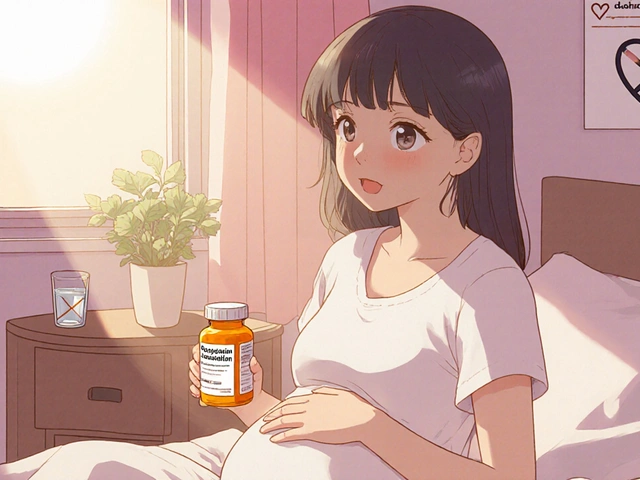
If you’re pregnant-or planning to be-here’s what you need to do:
- Always tell your doctor you’re pregnant or trying to conceive-even if you think it’s irrelevant.
- Ask: “Is this medication safe in pregnancy?” Don’t accept “I’ve never heard of a problem.” Ask for evidence.
- Check the FDA pregnancy category (now called Pregnancy and Lactation Labeling Rule) on the drug label. Categories like “X” mean: “Do not use.”
- Keep a list of all medications, including vitamins, supplements, and OTC drugs. Review it with your doctor every trimester.
- Don’t rely on internet searches. A Reddit post or TikTok video isn’t a medical guideline.
And if you’re a healthcare provider? Don’t assume your patient knows the risks. Don’t assume they’ll read the leaflet. Don’t assume they’ll remember. Talk to them. Write it down. Follow up.
Thalidomide is no longer just a tragedy. It’s a warning. And a reminder. Every drug has a story. Some stories end in healing. Others end in broken limbs and broken trust. We owe it to the children who came before us to never forget how we got here-and to make sure no one ever has to go through it again.
Modern Teratogenic Medications to Know
Thalidomide isn’t the only drug that can harm a developing baby. Here are a few others still in use today:
| Medication | Primary Use | Known Risks to Fetus |
|---|---|---|
| Isotretinoin (Accutane) | Severe acne | Craniofacial deformities, heart defects, brain abnormalities, intellectual disability |
| Valproic acid (Depakote) | Epilepsy, bipolar disorder | Neural tube defects, facial dysmorphia, autism spectrum disorder, lowered IQ |
| Methotrexate | Cancer, rheumatoid arthritis | Multiple organ malformations, growth restriction, miscarriage |
| Warfarin | Blood clot prevention | Nasal hypoplasia, bone abnormalities, central nervous system defects |
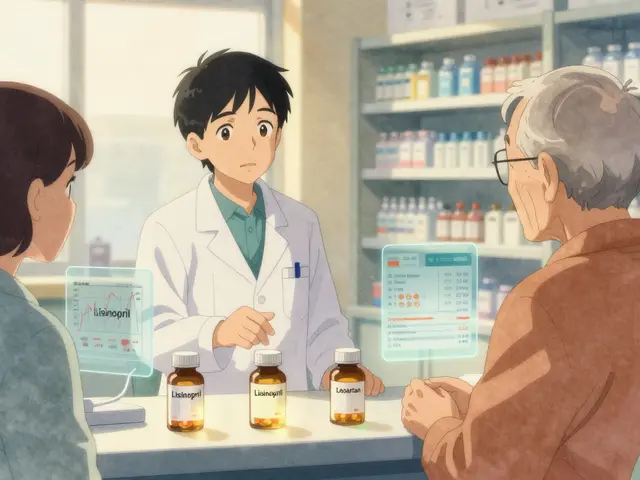
| ACE inhibitors (e.g., lisinopril) | High blood pressure | Low amniotic fluid, kidney failure, skull underdevelopment, fetal death |
These drugs aren’t banned. They’re used because they save lives. But they require careful planning, strict monitoring, and honest conversations.
Can a single dose of thalidomide cause birth defects?
Yes. Even one pill taken during the critical window of 34 to 49 days after the last menstrual period can cause severe birth defects. Thalidomide is one of the most potent human teratogens known. There is no safe dose during pregnancy.
Is thalidomide still used today?
Yes, but under extreme restrictions. It’s approved for treating leprosy complications and multiple myeloma. In the U.S., Canada, and Europe, it’s only available through the STEPS program, which requires pregnancy testing, dual contraception, and patient education before each prescription.
Why didn’t animal testing catch thalidomide’s dangers?
Animal testing at the time didn’t include pregnant animals. Even when tests were done, results varied by species. Rats and mice didn’t show the same limb defects as humans. Scientists assumed the drug was safe because it didn’t harm adult animals or non-pregnant ones. The critical window of fetal development wasn’t understood.
How did thalidomide cause birth defects?
In 2018, scientists discovered thalidomide binds to a protein called cereblon. This disrupts the degradation of specific transcription factors needed for limb formation in embryos. The result is the failure of limbs, ears, eyes, and other structures to develop properly. The same mechanism also explains its cancer-fighting ability-it blocks blood vessel growth.
Are there safer alternatives to thalidomide for cancer treatment?
Yes. Drugs like lenalidomide and pomalidomide are derivatives of thalidomide with similar benefits but slightly better safety profiles. However, they are still teratogenic and require the same strict controls. No drug in this class is safe during pregnancy.
What should I do if I took thalidomide before knowing I was pregnant?
Stop taking the drug immediately and contact your doctor. The risk depends on timing. If you took it during the critical window (weeks 4-8 of pregnancy), the risk of major birth defects is very high. Your doctor may recommend detailed ultrasounds and genetic counseling. Do not panic-early intervention can help guide next steps.
What Comes Next?
The thalidomide tragedy didn’t end with regulations. It changed how we think about medicine. We now know that drugs don’t just affect the person taking them. They ripple through families, generations, and societies.
Today, researchers are working on better ways to predict teratogenicity using stem cells and computer models. But the real solution isn’t technology-it’s culture. It’s asking harder questions. It’s listening to patients. It’s refusing to rush drugs to market.
Thalidomide is still sold. It still saves lives. But it also reminds us: medicine is powerful. And power without caution is dangerous.




Write a comment
Your email address will be restricted to us