You’ve probably heard that generic drugs are cheaper versions of brand-name medications. They contain the same active ingredients, work the same way, and cost a fraction of the price. So why do some prescriptions still come with sky-high price tags? Why can’t you just swap out your expensive brand-name medication for a generic version?
The answer isn’t as simple as "the company hasn’t made one yet." In many cases, it’s impossible to make a true generic copy. In others, pharmaceutical companies use legal loopholes and complex manufacturing tricks to keep competitors at bay. This leaves patients paying premium prices for drugs that should theoretically be affordable.
Understanding why some brand-name drugs have no generic alternatives requires looking beyond basic chemistry. It involves navigating patent law, regulatory hurdles, and market dynamics that often favor big pharma over consumers. Let’s break down exactly what keeps those low-cost options off the shelf.
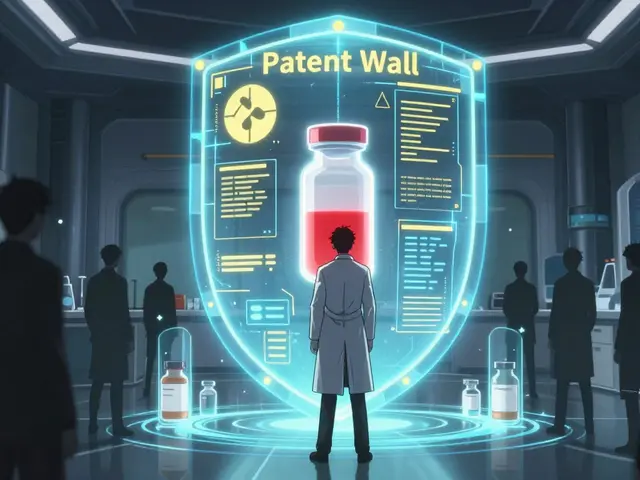
The Patent Wall: More Than Just Expiration Dates
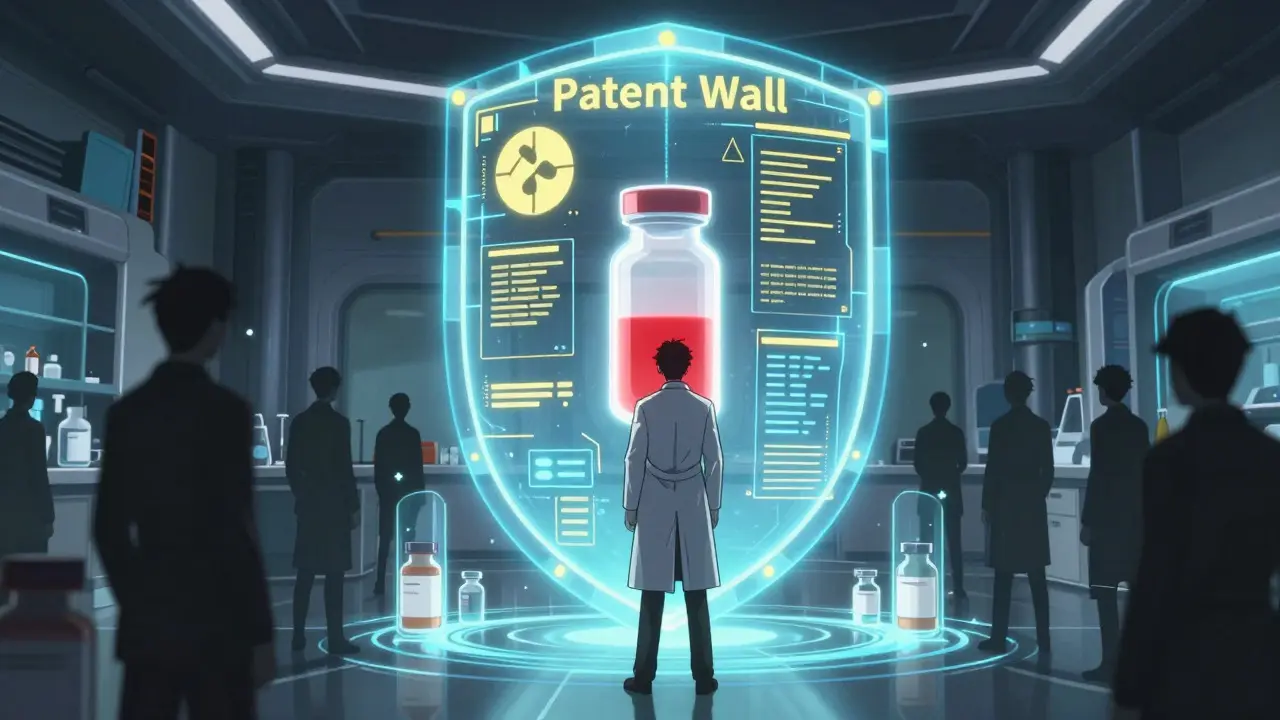
The most obvious reason a drug lacks a generic alternative is patent protection. When a pharmaceutical company develops a new medication, they file for patents that grant them exclusive rights to manufacture and sell it. This exclusivity typically lasts around 20 years from the initial filing date. During this time, no other company can legally produce the same drug.
Patent Protection is a legal right granted to inventors that excludes others from making, using, or selling an invention without permission, typically lasting 20 years for pharmaceuticals.However, the timeline is rarely straightforward. Companies don’t wait until the 20-year mark to start fighting. They use strategies like "patent thickets"-filing dozens of overlapping patents covering different aspects of the drug, such as its dosage form, delivery method, or even specific uses. For example, AstraZeneca extended the exclusivity of Nexium (esomeprazole) through multiple patent filings until 2014, despite the original patent expiring in 2001. This tactic effectively resets the clock, keeping generics away for years longer than the standard term.
Another hurdle is the Hatch-Waxman Act of 1984. While this law created the modern framework for generic approval, it also allowed for extensions. Companies can get up to five additional years of market exclusivity for developing new chemical entities or six months for conducting pediatric studies. These extensions are strategic tools used to maintain monopoly power long after the core patent expires.
Biologics: Too Complex to Copy
Not all drugs are small molecules like aspirin or ibuprofen. Many modern treatments, especially for cancer, autoimmune diseases, and diabetes, are biologics. These are large, complex proteins made from living organisms rather than synthesized in a lab. Because of their size and complexity, they cannot be precisely replicated like traditional chemicals.
Biologics are large, complex molecules produced by living cells, used to treat serious conditions like cancer and rheumatoid arthritis, which require specialized manufacturing processes.Instead of generics, these drugs have "biosimilars." A biosimilar is highly similar to the reference biologic but not identical. The FDA requires extensive clinical testing to prove safety and efficacy, which makes the approval process much slower and more expensive than for traditional generics. Humira (adalimumab), a blockbuster drug for autoimmune conditions, faced intense patent litigation and regulatory delays. Its first biosimilar didn’t reach the U.S. market until 2023, seven years after the original patent expired.
The Biologics Price Competition and Innovation Act of 2009 established a 12-year period of data exclusivity for originator biologics. This means no biosimilar can even be approved during that window, regardless of patent status. As a result, many high-cost specialty drugs remain without competition for over a decade after launch.
Manufacturing Nightmares: When Chemistry Gets Complicated
Even if patents expire, some drugs are simply too difficult to manufacture generically. Take Premarin (conjugated estrogens), for instance. Its active ingredients are derived from pregnant mares’ urine and contain multiple unidentified estrogen compounds. Replicating this exact mixture is nearly impossible, so no true generic exists despite the patent expiring years ago.
Complex delivery systems pose another challenge. Inhalers like Advair Diskus or transdermal patches like Androderm rely on proprietary technology to deliver the drug consistently. Minor variations in inactive ingredients or device design can affect how the drug performs in the body. The FDA requires rigorous bioequivalence testing for these products, meaning the generic must show blood levels within 80%-125% of the brand name. For narrow therapeutic index drugs-where small changes can cause toxicity or treatment failure-this bar is incredibly high.
| Drug Type | Example | Primary Barrier to Generics | Typical Exclusivity Period |
|---|---|---|---|
| Small Molecule | Lipitor (atorvastatin) | Patent expiration | ~20 years |
| Biologic | Humira (adalimumab) | Complexity + 12-year data exclusivity | 12+ years post-approval |
| Complex Formulation | Premarin | Impossible replication | Indefinite (no true generic) |
| Device-Dependent | EpiPen | Proprietary delivery mechanism | Extended via design patents |
Anti-Competitive Tactics: Paying to Delay
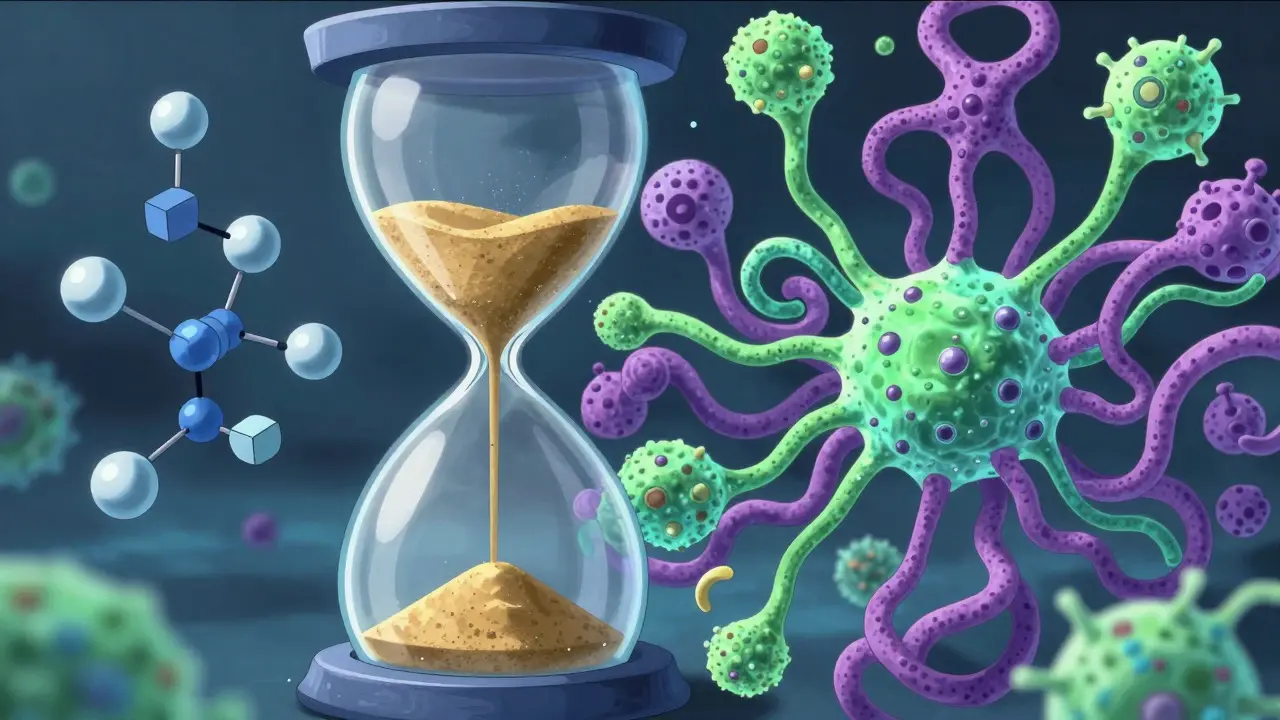
Sometimes, the barrier isn’t scientific or legal-it’s financial. "Pay-for-delay" settlements occur when brand-name manufacturers pay generic companies to stay out of the market. Instead of fighting costly patent lawsuits, the generic maker accepts cash in exchange for delaying launch. The Federal Trade Commission estimates these settlements cost consumers $3.5 billion annually.
Product hopping is another sneaky tactic. Just before a patent expires, the brand company introduces a slightly modified version of the drug-maybe a new dosage or delivery system-and pushes doctors to switch. Meanwhile, they stop supplying the old version, making it hard for generic makers to test their copies. The CREATES Act of 2019 now prohibits denying access to product samples needed for testing, but loopholes remain.
Market dynamics also play a role. If a drug treats a rare disease (an orphan drug) or has a tiny patient population, generic manufacturers may see little profit incentive to invest in production. This leaves patients with chronic or rare conditions stuck with high-priced brands indefinitely.
The Cost Impact on Patients
The absence of generic competition hits wallets hard. According to GoodRx, brand-name drugs without generics cost 437% more on average than comparable medications with generic options. Medicare Part D data shows that 22% of beneficiaries taking non-generic medications spend over $5,000 annually out-of-pocket, compared to just 8% for those with generic options.
Real-world examples highlight the disparity. Before its patent expired, Gleevec (imatinib) cost leukemia patients $14,500 per month. After generics arrived, the price dropped to $850. Similarly, atorvastatin saw an 80%-85% price reduction within the first year of generic availability following Lipitor’s patent expiration.
For patients relying on complex inhalers or biologics, the lack of alternatives means limited choices and higher costs. Even when biosimilars arrive, adoption can be slow due to physician hesitation or insurance formulary restrictions.
What You Can Do About It
If you’re facing high drug costs because no generic exists, there are steps you can take:
- Check the FDA Orange Book: This resource lists patent expirations and exclusivity periods. You might find that a generic is in development or pending approval.
- Talk to Your Pharmacist: Pharmacists can identify therapeutic alternatives. For example, when Viibryd lacked a generic, pharmacists successfully transitioned many patients to generic sertraline with similar efficacy.
- Explore Patient Assistance Programs: Many manufacturers offer coupons or discounts for uninsured or underinsured patients. Non-profits like PAN Foundation also provide aid.
- Consider Biosimilars: If your drug is a biologic, ask your doctor about biosimilar options. They’re often significantly cheaper and covered by insurance.
- Advocate for Policy Change: Support legislation that strengthens generic competition, such as reforms to patent thicket practices or faster biosimilar approvals.
The Future of Generic Competition
Regulatory scrutiny is increasing. The FDA’s 2022 Generic Drug User Fee Amendments (GDUFA III) prioritized review of complex generic applications, leading to a 27% increase in approvals for complex generics in 2022. The CREATES Act has also begun closing some loopholes that previously blocked generic developers.
Biosimilar approvals are expected to grow from 32 in 2022 to 75 by 2025, bringing more competition to the specialty drug market. However, ultra-complex biologics and orphan drugs will likely remain without true generic alternatives due to insurmountable manufacturing challenges. Healthcare economists predict that while generic competition will cover 95% of drug categories by 2030, approximately 5% of medications will remain brand-only.
Until then, understanding why some brand-name drugs have no generic alternatives empowers you to navigate the system better. Whether it’s leveraging biosimilars, seeking therapeutic substitutes, or advocating for policy reform, knowledge is your best tool against inflated drug prices.
Why do some brand-name drugs have no generic alternatives?
Some brand-name drugs lack generic alternatives due to patent protections, complex manufacturing processes, regulatory exclusivity periods, or anti-competitive tactics like patent thickets and pay-for-delay settlements. Biologics, in particular, face higher barriers because they require biosimilar approval pathways involving extensive clinical testing.
How long does it take for a generic drug to become available?
Typically, generic drugs become available after patent protections and exclusivity periods expire, which usually occurs around 20 years from the initial patent filing. However, this timeline can be extended by regulatory extensions, pediatric study bonuses, or legal maneuvers like patent thickets, sometimes adding several more years.
Are biosimilars the same as generic drugs?
No, biosimilars are not identical to generic drugs. Generics are exact copies of small-molecule drugs, while biosimilars are highly similar to complex biologic drugs but not identical. Biosimilars require more extensive clinical testing to prove safety and efficacy, making their approval process longer and more expensive.
What is a patent thicket?
A patent thicket is a strategy where pharmaceutical companies file multiple overlapping patents covering different aspects of the same drug, such as its formulation, delivery method, or specific uses. This creates a dense web of intellectual property that makes it difficult and risky for generic manufacturers to enter the market without facing litigation.
Can I switch from a brand-name drug to a generic if one becomes available?
Yes, in most cases, you can switch from a brand-name drug to a generic once it’s approved by the FDA. Generics must meet strict bioequivalence standards, ensuring they work the same way as the brand name. Always consult your doctor or pharmacist before switching, especially for drugs with narrow therapeutic indices.
Why are biologics so expensive?
Biologics are expensive because they are large, complex molecules produced by living cells, requiring sophisticated manufacturing processes. Additionally, they face longer regulatory exclusivity periods (12 years) and lack immediate generic competition. The high cost of research, development, and production contributes to their premium pricing.
What is the FDA Orange Book?
The FDA Orange Book, formally titled "Approved Drug Products with Therapeutic Equivalence Evaluations," is a database that lists approved drug products along with their patent and exclusivity information. It helps generic manufacturers determine when they can legally apply for approval to produce a generic version of a branded drug.
How much do brand-name drugs cost compared to generics?
Brand-name drugs without generic alternatives cost approximately 437% more on average than comparable medications with generic options. Once generics enter the market, prices typically drop by 80%-85% within the first year, providing significant savings for patients and healthcare systems.