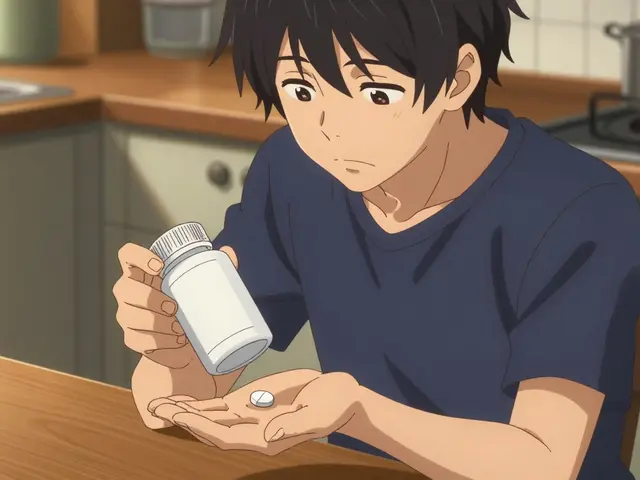
You pick up your prescription, pop a pill, and then see a news alert about a major medication recall is a formal action to remove defective or harmful pharmaceutical products from the market. Panic sets in. Did you take bad medicine? Is it safe to keep taking it? You are not alone. In 2022 alone, the U.S. Food and Drug Administration (FDA) tracked nearly 5,000 drug recalls. But here is the good news: most of these events are precautionary, and very few actually require you to stop your treatment immediately. Knowing exactly what to do can save you from unnecessary health risks and stress.
Understanding Recall Classes: Why Most Are Low Risk
Not all recalls are created equal. The FDA categorizes them into three classes based on how dangerous the product might be. Understanding this hierarchy helps you decide how urgently you need to act.
- Class I: This is the highest risk. It means there is a reasonable probability that using the product will cause serious adverse health consequences or death. These make up only about 15% of all recalls but demand immediate attention.
- Class II: Moderate risk. Use of the product may cause temporary or medically reversible adverse health consequences. If stopped, the harm can usually be fixed with medical care.
- Class III: Lowest risk. Violations are unlikely to cause adverse health consequences. These often involve labeling errors or minor packaging issues.
Data shows that roughly 60% of recalls involve minor labeling discrepancies that don't affect the safety of the medication itself but still need correction for regulatory reasons. Only about 5% involve life-threatening issues. So, while a recall notice sounds scary, it is often a bureaucratic fix rather than a health crisis.
The Golden Rule: Do Not Stop Medication Abruptly
The biggest mistake patients make during a recall is stopping their medication cold turkey. According to FDA patient surveys, 22% of people discontinue their meds without talking to a doctor first. This can be far more dangerous than the recalled drug itself, especially for chronic conditions like hypertension or diabetes.
For example, during the massive valsartan recalls, the FDA explicitly instructed patients to continue taking their current medicine until their healthcare provider or pharmacist provided a replacement. Stopping blood pressure medication suddenly can lead to spikes in blood pressure, increasing the risk of stroke or heart attack. Always wait for professional guidance before changing your regimen.
How to Verify if Your Specific Pill Is Affected
Recalls rarely affect every single bottle of a drug ever made. They target specific batches. To know if you are at risk, you need to check two things on your medication bottle: the lot number and the NDC (National Drug Code).
- Check the Recall Notice: Find the official announcement on the FDA website or through your pharmacy. Look for the specific lot numbers listed.
- Inspect Your Bottle: Look at the side or bottom of your prescription container. Match the lot number and expiration date against the recall list.
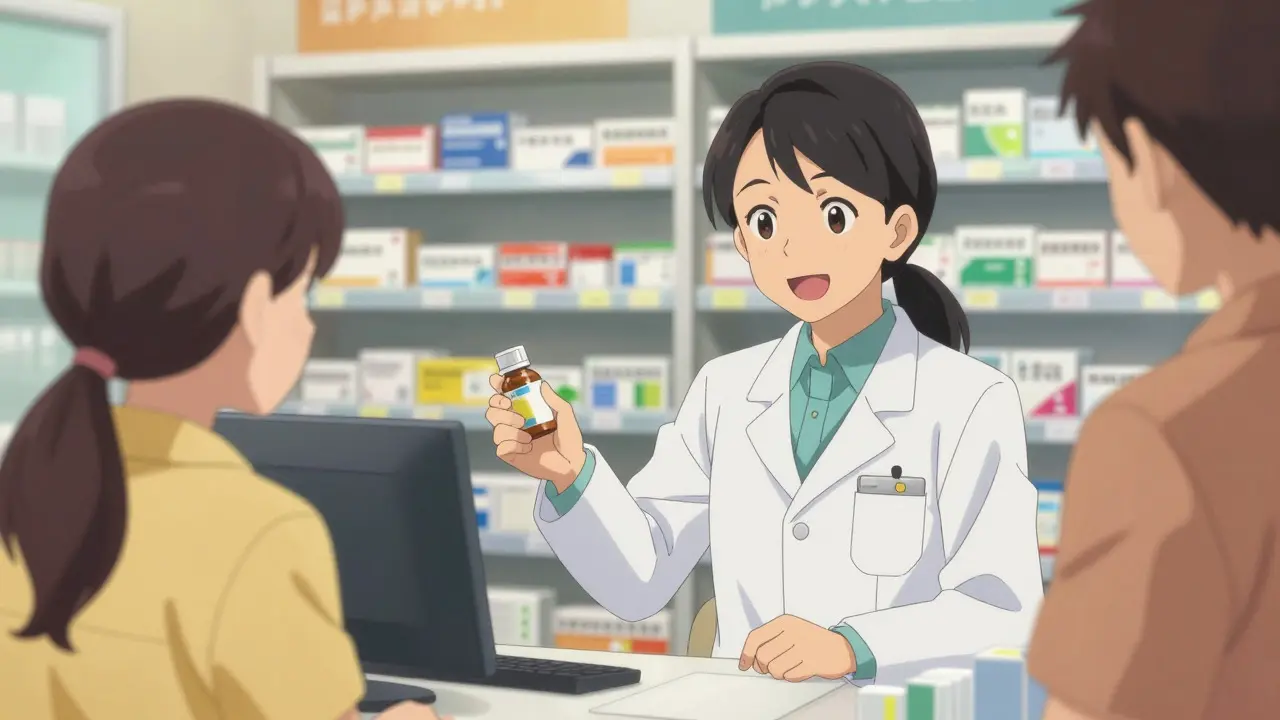
- Contact Your Pharmacy: Pharmacists have access to real-time databases. Call them immediately. According to American Pharmacists Association guidelines, 92% of pharmacies have established protocols to verify affected lots and provide replacements within 24-48 hours.
If your lot number matches, you have an affected product. If it does not, you can likely breathe easy and continue your treatment as normal.
| Class | Risk Level | Patient Action | Typical Cause |
|---|---|---|---|
| Class I | Highest (Death/Serious Harm) | Contact provider immediately; get replacement ASAP | Contamination, wrong ingredient |
| Class II | Moderate (Reversible Harm) | Consult pharmacist; monitor for symptoms | Minor contamination, potency issues |
| Class III | Lowest (Unlikely Harm) | Follow disposal instructions; no medical emergency | Labeling errors, packaging defects |
Safely Disposing of Recalled Medications
If your pharmacist confirms you have a recalled batch and provides a replacement, you need to get rid of the old pills safely. Flushing medications down the toilet is generally discouraged unless specifically instructed, as it can contaminate water supplies. Throwing them in regular trash is risky if children or pets can access them.
Here is the recommended method for home disposal:
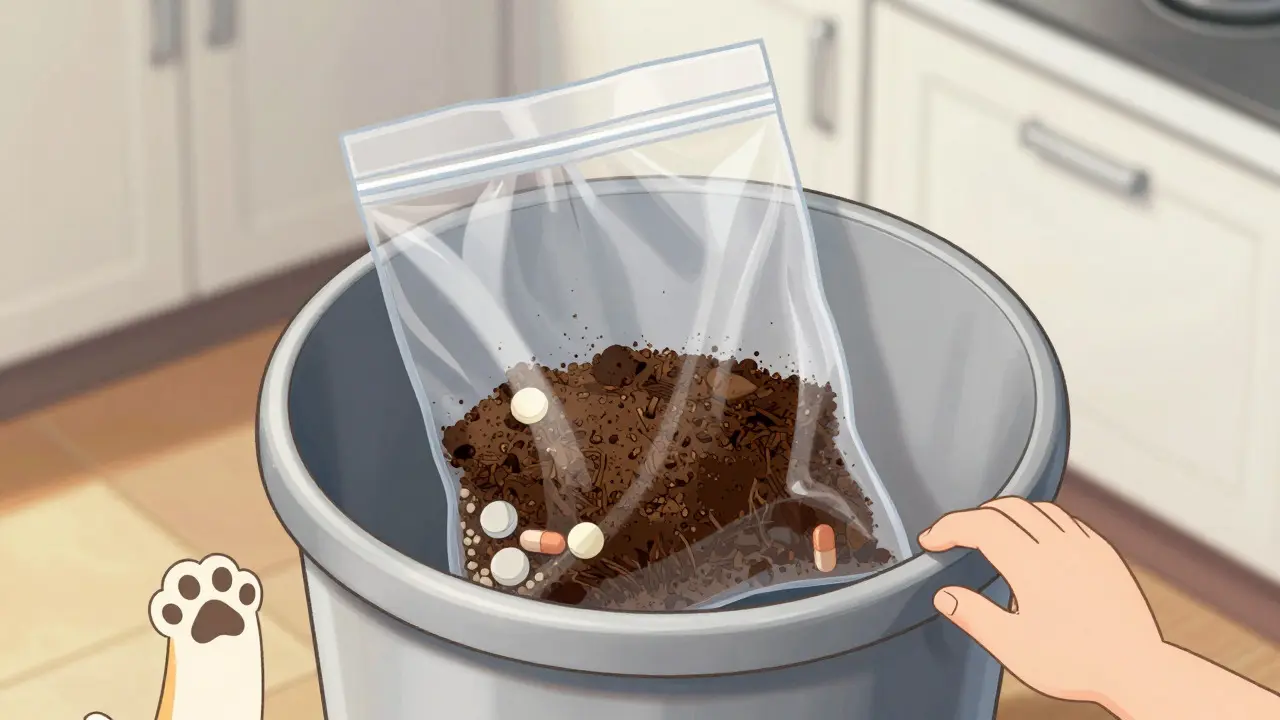
- Mix the unwanted medications with an unpalatable substance like coffee grounds, cat litter, or used ash.
- Place the mixture in a sealed plastic bag or container.
- Throw the sealed container in your household trash.
Monitoring Your Health After Exposure
If you have already taken a recalled medication, especially one involved in a Class I recall, stay vigilant. Monitor your body for unusual symptoms. Keep a detailed log of when you took the medication and any side effects you experience.
The FDA’s Adverse Event Reporting System (FAERS) documented over 1.2 million medication-related adverse events in 2022. About 8% were linked to products that were subsequently recalled. If you feel unwell, contact your healthcare provider immediately. Mention the recall specifically so they can tailor their examination. Early detection of adverse reactions can prevent long-term damage.
Preventing Future Stress: Build a Medication Log
The best defense against recall panic is preparation. Currently, only 18% of patients maintain records of their medication lot numbers. Those who do resolve recall concerns 60% faster because they don’t have to dig through empty bottles or guess which pharmacy filled which script.
Create a simple spreadsheet or notebook entry for every new prescription:
- Drug Name and Dosage
- Pharmacy Name
- Lot Number
- Expiration Date
- Date Filled
Frequently Asked Questions
Should I stop taking my medication if I hear about a recall?
No, do not stop abruptly unless instructed by your doctor or pharmacist. Stopping certain medications suddenly can cause severe health complications. First, check your lot number to see if your specific bottle is affected. If it is, contact your pharmacy for a replacement before discontinuing use.
How do I find out if my specific medication is recalled?
You can search the FDA website for drug recalls using the brand name or product description. Narrow results using the 'Product Type' dropdown. Compare the lot number and NDC code on your prescription bottle with the details in the recall notice. Alternatively, call your pharmacy; they can verify this information instantly.
What is the difference between Class I, II, and III recalls?
Class I recalls involve a high probability of serious adverse health consequences or death. Class II recalls pose a moderate risk where harm is temporary or reversible. Class III recalls are low-risk violations unlikely to cause adverse health effects, often related to labeling or packaging errors.
How should I dispose of recalled medications at home?
Mix the medications with an unpalatable substance like coffee grounds or cat litter. Place the mixture in a sealed plastic bag or container and throw it in your household trash. Avoid flushing unless specifically instructed, as this can harm the environment. Follow any specific disposal instructions provided in the recall notice.
Who initiates medication recalls?
Most recalls (about 80%) are initiated voluntarily by manufacturers when they identify a defect. The FDA can also request or mandate recalls if a manufacturer fails to act. The FDA oversees the entire process to ensure public safety and proper communication of risks.